The landscape of professional basketball endorsements has shifted significantly, following reports of a strategic alignment between NBA icon Stephen Curry and the Chinese sportswear giant Li-Ning. As a sports editor who has tracked the evolution of athlete-brand partnerships for over a decade, I have seen many high-profile shifts, but few carry the weight of this potential collaboration. The move to establish a long-term partnership involving Stephen Curry and the Curry Brand—a subsidiary under the Under Armour umbrella—marks a pivotal moment in how global sports figures leverage their influence across international markets, particularly within the lucrative Chinese consumer base.
While the business of athletic endorsements is often shrouded in complex contractual negotiations, the core of this development lies in the intersection of elite performance and market expansion. Stephen Curry, widely regarded as the greatest shooter in NBA history, has maintained a long-standing and highly successful relationship with Under Armour since 2013, a deal that was significantly expanded in 2023 with a structure that mirrors the long-term nature of “lifetime” contracts, as reported by CNBC. The current discourse surrounding a Li-Ning partnership suggests a sophisticated multi-layered strategy rather than a simple departure from his current commitments.
Understanding the Strategic Partnership
To understand why a global superstar would engage with a major regional player like Li-Ning, one must look at the demographics of the sport. Li-Ning, founded by the eponymous Olympic gymnast, has spent decades positioning itself as a dominant force in the Asian market. By aligning with the Curry Brand—which was established as a standalone entity under Under Armour in 2020—the objective is clearly to deepen the penetration of Curry-branded products in regions where basketball fandom is growing at an exponential rate. The Curry Brand has consistently focused on community impact and grassroots basketball development, values that align well with Li-Ning’s long-term corporate social responsibility initiatives in China.
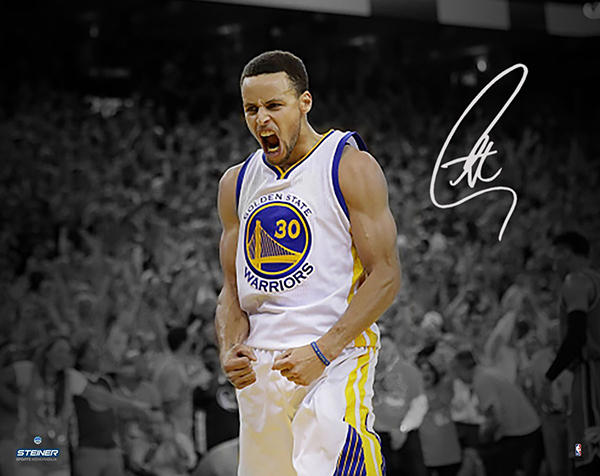
For the uninitiated, the Curry Brand operates with a level of autonomy that allows for unique collaborations. This is not merely about a shoe deal; it is about infrastructure. In 2023, the extension of Curry’s partnership with Under Armour was valued at significant figures, with equity stakes and a dedicated business unit serving as cornerstones of the agreement, according to Forbes. The potential synergy with Li-Ning represents a tactical expansion of these existing assets, allowing for localized distribution and marketing strategies that Under Armour might struggle to execute independently in specific territories.
The Evolution of Athlete-Driven Brands
We are witnessing a shift where the athlete acts as a venture capitalist. Stephen Curry is no longer just a spokesperson; he is an architect of his own retail ecosystem. The strategy of leveraging a partnership with a regional giant while maintaining a core global contract is a playbook that could redefine how NBA players approach international markets. This is particularly relevant given the NBA’s massive popularity in China, which remains one of the league’s largest international markets despite various geopolitical and broadcasting fluctuations over the years.
The “10-year” timeline often cited in recent reports suggests a level of confidence in Curry’s post-playing career longevity. Much like the legacy deals seen with other basketball legends, this duration implies that the partnership is focused on brand equity that transcends the court. It is about building a sustainable legacy that includes apparel, footwear, and community-driven initiatives that will remain relevant long after Curry hangs up his jersey.
What This Means for the Global Market
For the global sports industry, this collaboration highlights the necessity of localized expertise. Western brands often face challenges in navigating the unique retail and digital ecosystems of the East. By bridging the gap through a strategic partnership, the Curry Brand is effectively lowering the barrier to entry for its products. From a consumer perspective, this means more accessible technology, localized design aesthetics, and a stronger connection to the brand’s core mission: changing the game for good.
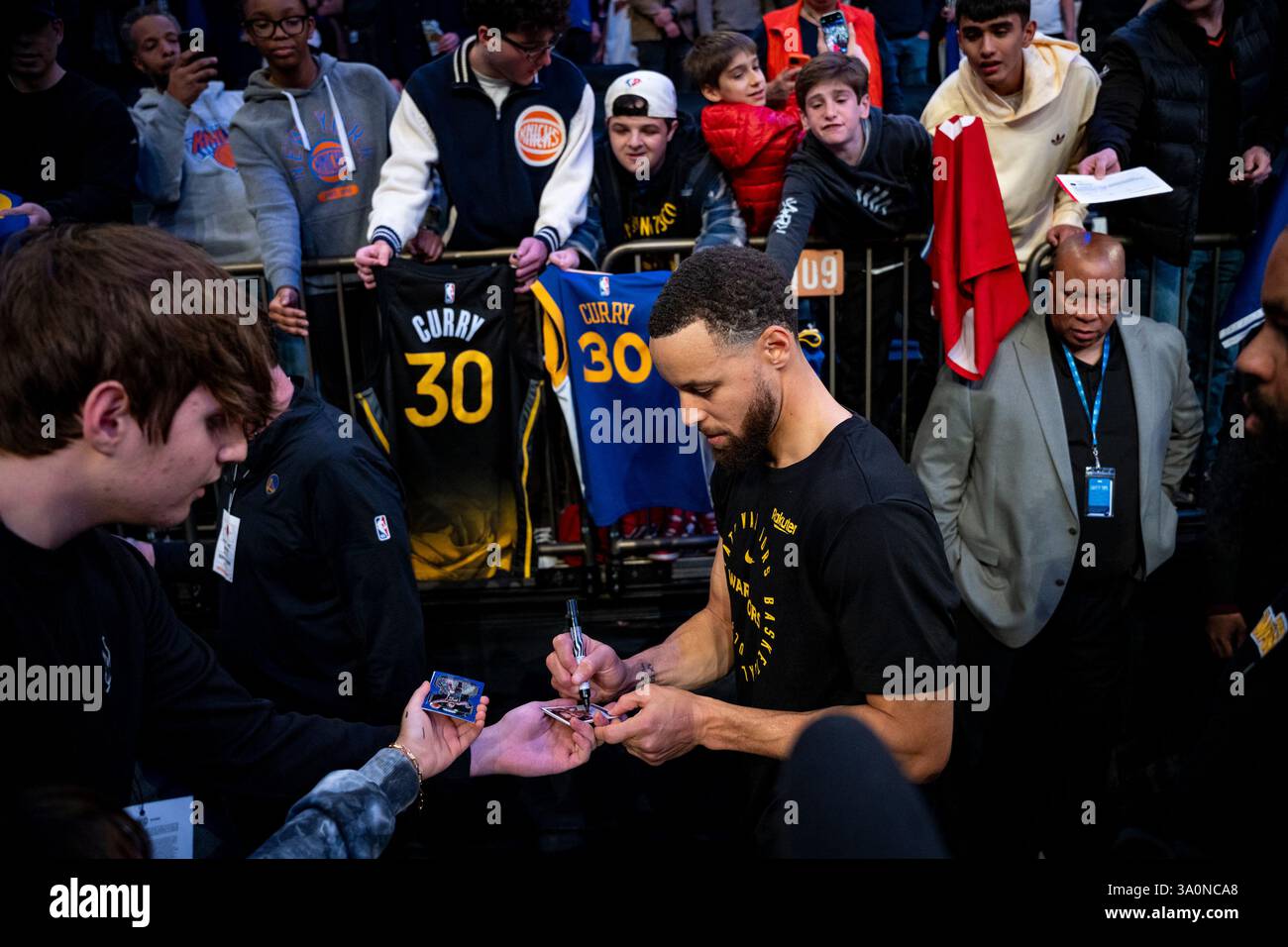
The impact of such a move extends beyond just the financial sheets. It signals to other athletes that their brand value is not restricted to a single contract or geography. As the sports industry continues to modernize, the ability to weave together a global network of partners will become the new gold standard for athlete-entrepreneurs. We are moving away from the era of exclusive, one-dimensional sponsorships and into an era of integrated global partnerships.
Key Considerations Moving Forward
- Market Penetration: How will the collaboration specifically influence the growth of the Curry Brand in the Asia-Pacific region?
- Contractual Synergy: How does this overlap with existing obligations to Under Armour, and what does it mean for future product launches?
- Community Impact: Will the partnership prioritize the development of basketball courts and youth programs in China, similar to the work done by the Curry Brand in the United States?
As we await further official statements from the involved parties regarding the specific scope and operational details of this collaboration, it remains clear that the business of basketball is becoming increasingly globalized. The next official update is expected to arrive through formal investor filings or corporate press releases from the respective brands. I encourage our readers to share their thoughts on this development in the comments section below; how do you see the future of athlete-led brands evolving in the coming decade?