
Berlin, Germany — Global health organizations have updated colorectal cancer screening guidelines, reflecting alarming rises in cases among younger adults and advances in non-invasive testing. The changes—endorsed by the World Health Organization (WHO), the U.S. Preventive Services Task Force (USPSTF), and national cancer societies—now recommend earlier and more frequent screenings for at-risk populations, while expanding access to cutting-edge tests like the Fecal Immunochemical Test (FIT) and Cologuard.
For decades, colorectal cancer was considered a disease of older adults, with screening typically advised starting at age 45. But recent data shows a disturbing trend: cases in people under 50 have surged by up to 2% annually in the U.S. Since the 1990s, and similar spikes are reported in Europe and Latin America. Experts link this to diet, obesity, and gut microbiome shifts—but the message is clear: no one is immune. The new guidelines aim to close gaps in early detection, when treatment is most effective.
Here’s what’s changing, which tests are now preferred, and how to navigate the decisions—whether you’re at average risk, have a family history, or fall into the newly prioritized younger age groups.
Key Changes in Colorectal Cancer Screening Guidelines
- Expanded age range: Screening now starts at age 45 (down from 50 in many countries), with some experts advocating for age 40 for high-risk groups.
- New non-invasive tests: FIT and Cologuard are now preferred options for average-risk individuals, reducing reliance on colonoscopies.
- Frequency adjustments: High-risk patients (e.g., those with Lynch syndrome or a first-degree relative diagnosed before age 60) may need screenings every 1–5 years, depending on test type.
- Digital tools: AI-assisted colonoscopy and stool DNA tests are gaining traction in clinical trials.
- Global disparities: Low-income countries face delays in adopting these tests due to cost and infrastructure.
What’s Behind the Guidelines Update?
Three critical factors drove the revisions:
1. The Younger Patient Crisis
Colorectal cancer is now the second-leading cause of cancer death in people under 50 in Spain, with Chile and Argentina reporting similar trends. A 2023 study in JAMA Surgery found that 1 in 10 colorectal cancer diagnoses now occur in patients aged 20–49, up from 1 in 20 in the 1990s. Experts cite:
- Dietary shifts: Increased processed meat and ultra-processed food consumption, linked to higher colorectal cancer risk.
- Obesity epidemic: Adiposity alters gut bacteria, promoting inflammation—a known precursor to cancer.
- Delayed symptoms: Younger patients often present with non-specific symptoms (fatigue, iron-deficiency anemia), leading to late-stage diagnoses.
2. The Rise of Non-Invasive Tests
Colonoscopies remain the gold standard for definitive diagnosis, but they’re invasive, costly, and underutilized—especially in younger populations. The new guidelines prioritize:
| Test Type | How It Works | Accuracy | Frequency | Cost (Approx.) |
|---|---|---|---|---|
| Fecal Immunochemical Test (FIT) | Detects hidden blood in stool (non-DNA). Requires no diet restrictions. | ~90% sensitive for adenomas/cancer | Every 1–2 years | $20–$50 (out-of-pocket) |
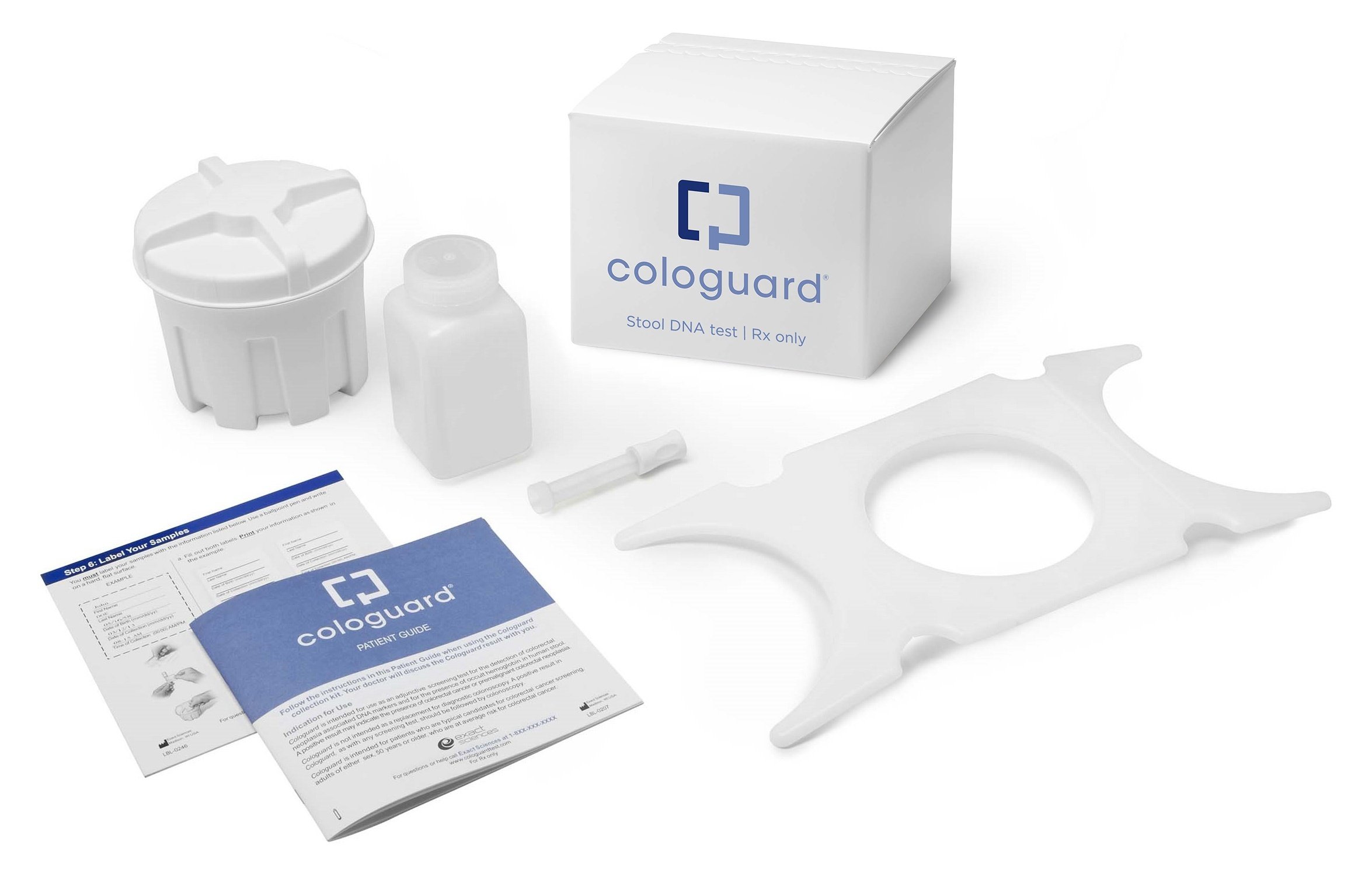
| Cologuard | DNA-based stool test (10 biomarkers). Covers precancerous polyps and cancer. | ~92% for cancer, ~42% for advanced adenomas | Every 3 years | $649 (often covered by insurance) |
| Flexible Sigmoidoscopy | Visual exam of the lower colon (less invasive than full colonoscopy). | ~70% sensitive for distal colon cancer | Every 5–10 years | $200–$500 |
| Colonoscopy | Full exam of the colon (can remove polyps). Requires sedation. | ~95% sensitive | Every 10 years (or sooner for high-risk) | $1,000–$3,000 |
Note: The FDA approved Cologuard in 2014, and it’s now recommended by the American Cancer Society as a tier-1 option for average-risk adults.
3. Policy and Access Barriers
While guidelines have evolved, implementation varies by country:
- United States: The USPSTF now recommends screening for all adults aged 45–75, with a B rating (moderate net benefit) for FIT and Cologuard.
- European Union: The European Commission funds FIT-based screening programs in 20+ countries, but uptake lags in Eastern Europe.
- Latin America: Chile’s Ministry of Health expanded screening to age 40 in 2023, citing a 30% rise in cases under 50 since 2010.
- Low-resource settings: The WHO emphasizes FIT as the most scalable option, costing as little as $5 per test in bulk.
Who Should Get Screened—and When?
The updated guidelines use a risk-stratified approach. Here’s how to determine your category:
Average Risk (No Family History)
If you have no personal or family history of colorectal cancer or polyps, the new recommendations are:
- Age 45–75: Choose one of these tests every 1–10 years (depending on the test):
- FIT (every 1–2 years)
- Cologuard (every 3 years)
- Flexible sigmoidoscopy (every 5 years)
- Colonoscopy (every 10 years)
- Age 76–85: Continue if previously screened and in good health; discontinue if life expectancy <10 years.
- Over 85: Screening not routinely recommended unless high-risk.
Increased Risk (Family History or Genetics)
If you have any of these risk factors, screening may start earlier and occur more frequently:
- First-degree relative (parent, sibling, child) diagnosed with colorectal cancer before age 60.
- Two or more first-degree relatives with colorectal cancer at any age.
- Personal history of inflammatory bowel disease (Crohn’s or ulcerative colitis).
- Genetic syndromes: Lynch syndrome or familial adenomatous polyposis (FAP).
- Personal history of colorectal cancer or adenomatous polyps.
Recommended actions:
- Start screening at age 40 (or 10 years before the youngest affected relative’s diagnosis).
- Consider annual colonoscopies if Lynch syndrome is suspected (genetic testing recommended).
- For IBD patients: colonoscopy every 1–2 years, starting 8 years after diagnosis.
Symptoms That Warrant Immediate Testing
Regardless of age or risk, seek medical evaluation if you experience:
- Rectal bleeding or blood in stool
- Persistent abdominal pain or discomfort
- Unexplained weight loss
- Changes in bowel habits (diarrhea, constipation) lasting >4 weeks
- Iron-deficiency anemia (without another cause)
Note: Younger patients often present with non-classic symptoms, so providers should maintain a low threshold for testing in adults under 50.
What’s Next: Emerging Tests and Global Challenges
While FIT and Cologuard lead the charge, several innovations are on the horizon:
1. Blood-Based Biomarkers
Researchers are developing liquid biopsy tests that detect colorectal cancer DNA in blood samples. A 2023 study in Nature reported a 90% accuracy for a multi-biomarker blood test, though it’s not yet FDA-approved. The Early Detection Research Network is prioritizing these for high-risk groups.
2. AI and Endoscopic Tools
AI-assisted colonoscopies (e.g., GI Genius by Medtronic) improve polyp detection by up to 30%, reducing missed lesions. The EU is piloting these in screening programs, but cost remains a barrier.
3. Global Disparities
While high-income countries adopt advanced tests, 80% of colorectal cancer deaths occur in low- and middle-income nations, where screening rates are <10%. The WHO’s Global Initiative for Colorectal Cancer Screening aims to expand FIT programs, but progress is sluggish due to:
- Lack of infrastructure for stool testing.
- Limited insurance coverage for Cologuard.
- Cultural stigma around colorectal health.
How to Advocate for Screening
If you’re concerned about access or eligibility, take these steps:
- Check your insurance coverage: Many plans now cover FIT and Cologuard at no cost (e.g., Medicare in the U.S. Covers FIT annually for ages 50–85).
- Ask your provider: Use the American Cancer Society’s screening quiz to determine your best test option.
- Advocate for policy changes: In the U.S., contact your representative to support the Colorectal Cancer Screening Act, which would mandate insurance coverage for all FDA-approved tests.
- Spread awareness: Share resources like the CDC’s screening guide or the World Cancer Research Fund’s diet recommendations.
Frequently Asked Questions
1. Why are younger people getting colorectal cancer?
Experts point to dietary changes (processed foods, red meat), obesity (linked to gut microbiome shifts), and sedentary lifestyles. antibiotics and gut infections may alter cancer risk by disrupting beneficial bacteria.
2. Is Cologuard better than a colonoscopy?
Cologuard is non-invasive and detects 92% of cancers (vs. 95% for colonoscopy), but it misses ~60% of small polyps. Colonoscopy remains superior for preventive removal of polyps. The choice depends on patient preference and risk level.
3. How do I prepare for a FIT test?
No special diet is needed, but avoid vitamin C supplements (they can interfere with results). Collect a stool sample at home and mail it to a lab within 7 days of collection. Results typically return in 2–4 weeks.
4. Are there any side effects from these tests?
FIT and Cologuard have no major side effects. Colonoscopies may cause temporary bloating or cramping, and rare complications include perforation (0.03%) or bleeding (0.1%).
5. What if I’m uninsured?
Many countries offer free or low-cost FIT kits through public health programs. In the U.S., community health clinics (e.g., National Association of Community Health Centers) may provide screening at reduced rates.
What Happens Next?
The next major checkpoint is the 2025 WHO Global Colorectal Cancer Screening Guidelines update, expected to incorporate:
- Expanded recommendations for blood-based tests (if approved).
- Stronger guidance on screening in low-resource settings.
- Updated risk stratification for ethnic minorities (e.g., African Americans have 20% higher colorectal cancer rates than whites).
In the meantime, the American Cancer Society will release a patient decision aid tool in Q3 2024 to help individuals compare test options.
Your turn: Have you or a loved one been affected by these changes? Share your experiences in the comments—or help spread awareness by sharing this guide. Early detection saves lives, and the tools to act are now more accessible than ever.
Keep reading