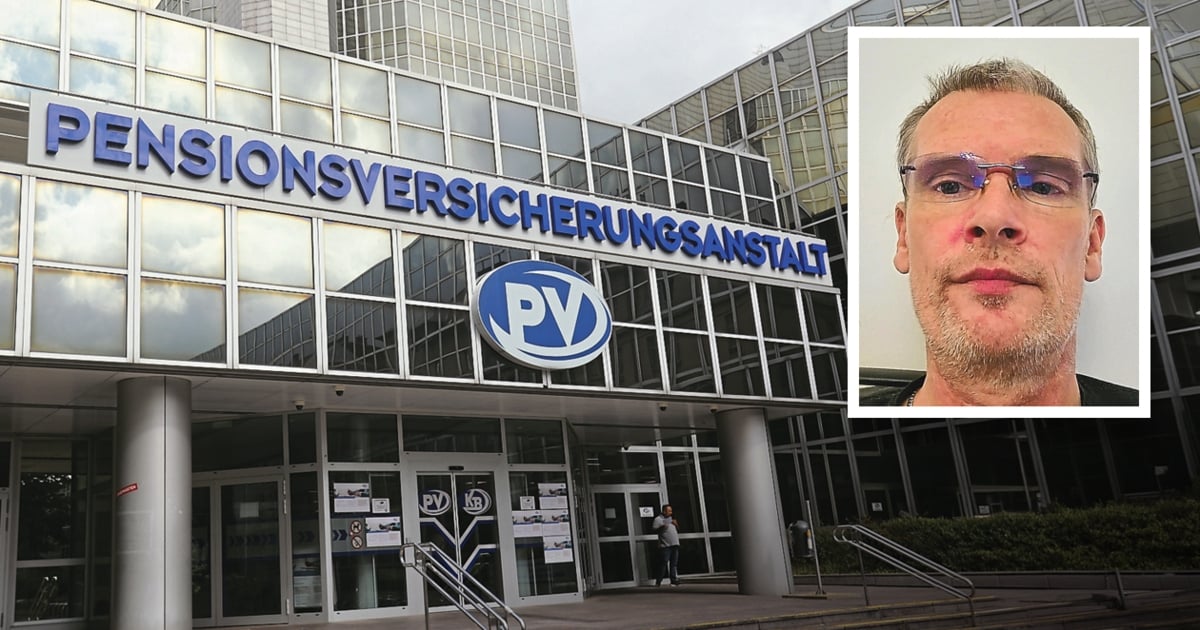
In the Austrian state of Styria, a significant legal challenge is currently unfolding regarding the assessment of long-term health impacts resulting from COVID-19. A resident, who has been grappling with the persistent, debilitating symptoms of Long Covid, has taken legal action against the national pension insurance fund after his application for a disability pension was formally denied.
This case highlights the ongoing complexities surrounding the medical and administrative recognition of post-acute sequelae of SARS-CoV-2. As healthcare systems globally continue to navigate the long-term consequences of the pandemic, the intersection of clinical diagnosis and social security eligibility remains a critical point of contention for many patients. The outcome of this legal proceeding may provide important clarity for individuals seeking institutional support in the face of chronic, post-viral illness.
Understanding Disability Pension Criteria in Austria
In Austria, the pension insurance system, managed by the Pensionsversicherungsanstalt (PVA), evaluates disability pension claims based on an individual’s ability to participate in the labor market. Eligibility is generally predicated on a medical assessment that determines whether an applicant is capable of performing gainful employment due to illness or injury. For conditions like Long Covid, which often present with fluctuating symptoms such as extreme fatigue, cognitive impairment, and respiratory issues, demonstrating these limitations within a standardized administrative framework can be inherently difficult.
The Austrian Federal Ministry of Social Affairs provides guidelines for social security benefits, emphasizing that medical reports must clearly establish a persistent reduction in earning capacity. Applicants frequently face rigorous scrutiny, as pension boards require extensive documentation from specialists to verify that the condition is not merely temporary but results in a long-term inability to work. This legal battle in Styria underscores the friction between the lived experience of Long Covid patients and the evidentiary requirements of state insurance providers.
The Challenges of Long Covid Documentation
Long Covid, clinically recognized as post-COVID-19 condition, is characterized by a wide range of symptoms that can last for months or even years after the initial infection. According to the World Health Organization (WHO), the condition often impacts a patient’s daily functioning, yet there is no single diagnostic test to confirm its presence. This lack of a standardized biomarker often complicates the process of securing disability benefits, as applicants must rely on a combination of clinical history, symptom reporting, and the exclusion of other potential health issues.

For the Styrian claimant, the denial of his pension application reflects a broader trend where patients struggle to reconcile their health reality with rigid bureaucratic definitions of “disability.” Legal experts often point out that when administrative bodies lack clear, consensus-based medical guidelines for newer conditions, the burden of proof rests heavily on the patient. This often necessitates lengthy appeals processes, where specialized legal and medical counsel becomes essential to navigate the complexities of social insurance law.
What This Means for Affected Individuals
The situation in Styria serves as a reminder of the importance of thorough documentation for those pursuing disability claims. Experts generally advise that individuals facing similar challenges should ensure they have:
- Comprehensive medical records from multidisciplinary teams, including neurologists, cardiologists, and infectious disease specialists.
- Detailed accounts of how symptoms specifically impair the ability to perform core job functions.
- Documentation of all failed treatments or rehabilitation efforts attempted to date.
While the legal process in this specific case continues, it brings much-needed attention to the support systems available for those whose lives have been fundamentally altered by the pandemic. The case also highlights the necessity for ongoing dialogue between health policymakers and social security administrators to ensure that evolving medical understandings of post-viral syndromes are reflected in institutional policies.
Next Steps and Future Developments
As this case progresses through the Austrian legal system, the focus will remain on the specific medical evidence presented to the court. Future hearings will likely determine whether the initial assessment by the pension insurance fund was based on an accurate understanding of the claimant’s functional limitations. Further updates on the ruling will be provided as they become available through official court filings and public records. We encourage our readers to stay informed on this developing story and share their thoughts on the challenges of navigating disability insurance for chronic illnesses in the comments section below.
Worth a look