The landscape of professional mixed martial arts is rarely static, characterized by a constant churn of rising stars, veteran declines, and the volatile nature of combat sports matchmaking. In an era where dominance is often measured by a single night of performance, the concept of MMA divisional rankings serves as both a roadmap for contenders and a barometer for a promotion’s competitive health. For elite fighters, these rankings are more than just numbers; they are the gateway to championship opportunities and the primary driver of commercial viability.
Nowhere is this volatility more evident than in the bantamweight division, a weight class frequently cited by analysts as one of the most talent-dense in the world. Within this high-stakes environment, Chinese standout Song Yadong has emerged as a resilient fixture. Despite the inherent unpredictability of the Octagon, Yadong continues to hold a strong position within the elite tier, proving that technical proficiency and durability can sustain a high ranking even amidst the most grueling divisional shifts.
As we analyze the current state of the sport, looking across major organizations like the UFC and the PFL, it becomes clear that the path to the top is no longer a linear ascent. This proves a complex web of strategic matchmaking, performance-based volatility, and the ability to navigate the “meat grinder” of top-tier competition. From the championship battles in the UFC to the tournament-style pressure of the PFL, the quest to determine the “best of the best” remains the central narrative of the sport.
The Song Yadong Factor: Resilience in the Bantamweight Hierarchy
Song Yadong, often referred to by fans and commentators for his striking precision, has become a cornerstone of the UFC’s bantamweight depth. His ability to remain relevant in the rankings is not merely a product of luck, but a result of high-level technical execution against top-tier opposition. In the recent landscape of the division, Yadong has demonstrated that he can compete with the very best, even when the judging leans against him.

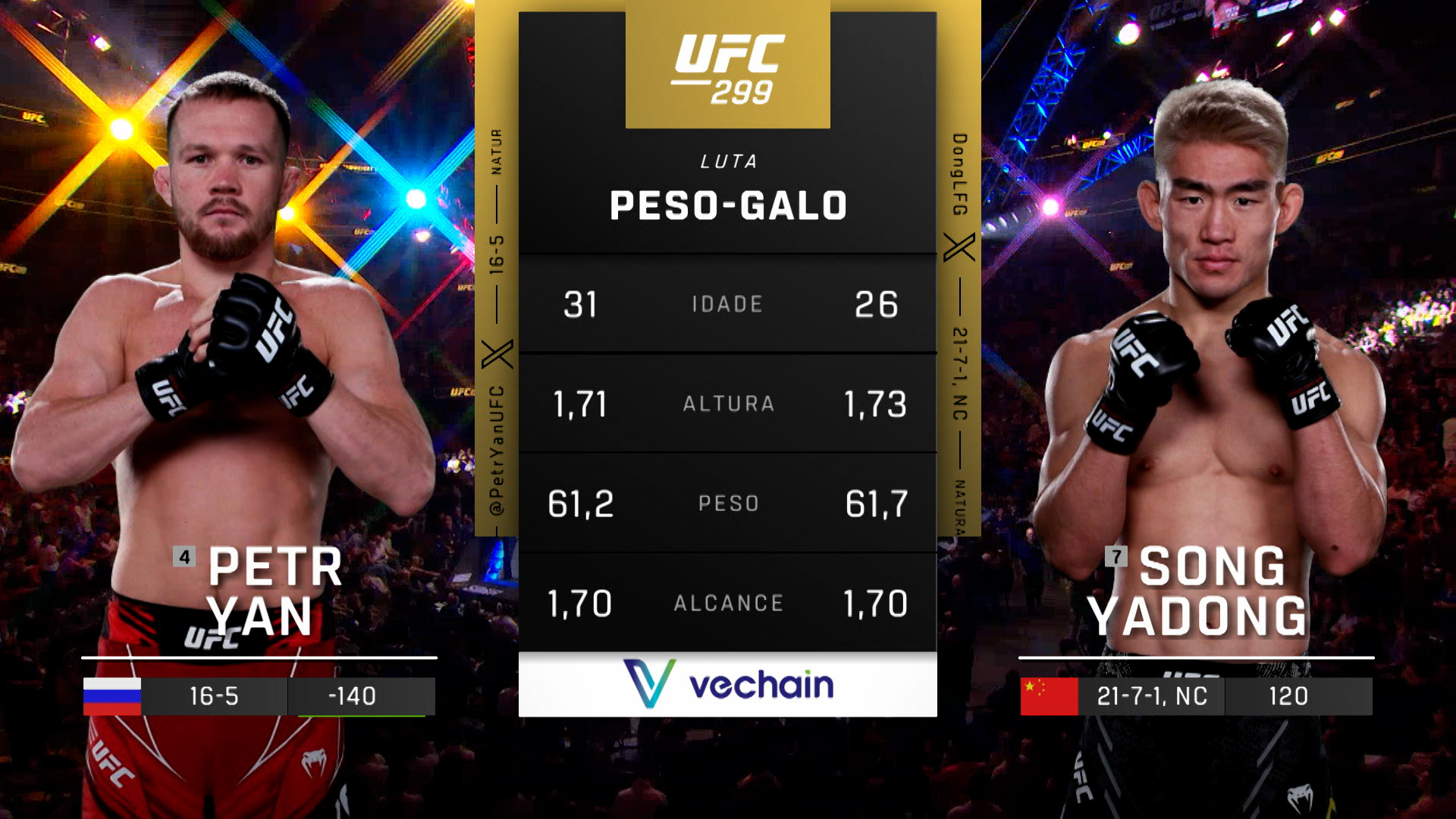
A pivotal moment in his recent trajectory was his high-profile encounter with former champion Petr Yan. In a bout that showcased the razor-thin margins of elite MMA, Yadong faced a grueling test of skill and stamina. Although the fight resulted in a split decision loss, his performance against a veteran of Yan’s caliber reaffirmed his status as a legitimate threat to the division’s hierarchy. Rather than sliding down the rankings, the competitive nature of the bout solidified his reputation as a fighter who belongs in the conversation for title contention.
What sets Yadong apart in the UFC bantamweight rankings is his balanced approach. While many fighters specialize in a single discipline, Yadong’s ability to integrate sophisticated boxing with defensive wrestling makes him a tough puzzle for opponents to solve. For analysts, his standing is a testament to the fact that in modern MMA, “holding strong” requires more than just winning; it requires the ability to remain competitive against the most dangerous strikers and grapplers in the world.
Navigating the UFC Bantamweight Championship Landscape
To understand where Song Yadong fits, one must look at the broader context of the UFC bantamweight division. The division has undergone a massive transition following the recent shifts in leadership at the top. The crowning of Merab Dvalishvili as the champion has reset the expectations for every contender in the weight class.
Dvalishvili’s victory, characterized by relentless wrestling and high-volume output, has forced a tactical re-evaluation across the division. Contenders can no longer rely solely on striking exchanges; they must now possess the grappling contingency to survive the “machine-like” pressure that the current champion exemplifies. This shift has profound implications for the MMA divisional rankings, as fighters who lack a well-rounded defensive grappling game find themselves falling behind in the eyes of matchmakers and analysts alike.
The hierarchy currently features a mix of specialized strikers and well-rounded grinders. As the UFC looks to build its next major championship narratives, the focus remains on how the top five contenders will adapt to the Dvalishvili era. This creates a “bottleneck” effect at the top of the rankings, where even a single loss can result in a significant drop, yet a single impressive win can catapult a fighter into a title shot. This volatility is what makes the bantamweight division one of the most engaging to follow for global audiences.
Key Elements of Divisional Ranking Volatility
- Judging Discrepancies: As seen in close split decisions, the subjective nature of MMA scoring can keep a fighter in the rankings despite a loss, provided the performance was competitive.
- Stylistic Shifts: When a new champion emerges with a dominant style (e.g., wrestling-heavy), the entire division’s ranking logic shifts to favor fighters with counter-grappling skills.
- Organizational Strategy: The UFC often uses rankings to build “interim” narratives or to test rising prospects against established veterans.
- Momentum vs. Pedigree: Analysts must balance a fighter’s recent win streak (momentum) against their historical success against top-ten opponents (pedigree).
UFC vs. PFL: Differing Philosophies of “The Best”
While the UFC remains the gold standard for individual accolades and historical prestige, the Professional Fighters League (PFL) has introduced a fundamentally different way to determine the best in the world. The distinction between these two organizations is crucial for fans trying to understand the broader combat sports power rankings.
In the UFC, rankings are largely cumulative and based on a traditional ladder system. Fighters move up or down based on individual bout outcomes and the perceived strength of their opponents. This allows for long-term career building and the development of deep-seated rivalries. The UFC’s approach is designed to reward consistency and the ability to navigate a continuous stream of diverse challenges.

Conversely, the PFL utilizes a seasonal, tournament-based structure. In this format, the “best” is determined by a clear, bracketed progression that culminates in a championship bout at the end of the season. This creates a different kind of pressure; while the UFC rankings offer a sense of prestige and longevity, the PFL offers a high-stakes, high-reward path where a single season can define a fighter’s entire career and financial future. For fans, this means that “the best” in the PFL is often the winner of a specific, time-bound bracket, whereas “the best” in the UFC is a more nuanced, ongoing debate among analysts.
The Strategic Importance of Rankings in Matchmaking
For the fighters themselves, the MMA divisional rankings are the primary tool used by matchmakers to dictate earning potential. In professional MMA, there is a massive disparity in compensation between a “top-ten contender” and a “ranked fighter,” and an even larger gap between those and the unranked field. Rankings serve as the official currency of the sport’s economy.
High rankings grant fighters access to:
- Main Event Slots: The ability to headline major cards, which significantly increases PPV points and appearance fees.
- Sponsorship Leverage: Top-ranked athletes possess much higher marketability for global brands, particularly in the growing Asian and European markets.
- Title Shot Certainty: While not a guarantee, being ranked in the top three provides a fighter with the leverage necessary to negotiate championship terms.
This economic reality is why fighters like Song Yadong fight with such intensity. Maintaining a strong position in the rankings is not just about pride; it is about securing the financial stability required to continue training at the highest level. The pressure to perform is compounded by the knowledge that a single poorly timed fight can result in a loss of both ranking and market value.
Summary of Current Divisional Trends
| Feature | UFC Approach | PFL Approach |
|---|---|---|
| Ranking Method | Cumulative/Ladder-based | Tournament/Seasonal Bracket |
| Primary Driver | Individual Matchmaking | Seasonal Championship |
| Contender Path | Climbing through ranked opponents | Winning seasonal qualifying bouts |
| Economic Model | PPV and Fight-based bonuses | Large seasonal prize purses |
As we look toward the upcoming fight schedules, the bantamweight division remains the most watched weight class for those interested in technical evolution. Whether it is Song Yadong’s next step toward the title or the next challenger for Merab Dvalishvili, the stakes have never been higher.
Next Official Update: The next major shift in the bantamweight rankings will follow the conclusion of the upcoming UFC Fight Night events and the official release of the updated rankings by the UFC broadcast team. Keep a close watch on the scheduled bouts for the top five contenders to see who manages to capitalize on the current divisional volatility.
What do you think of Song Yadong’s current standing? Is he ready for a title shot despite his recent split decision? Let us know your thoughts in the comments below and share this article with your fellow MMA enthusiasts.
Related reading