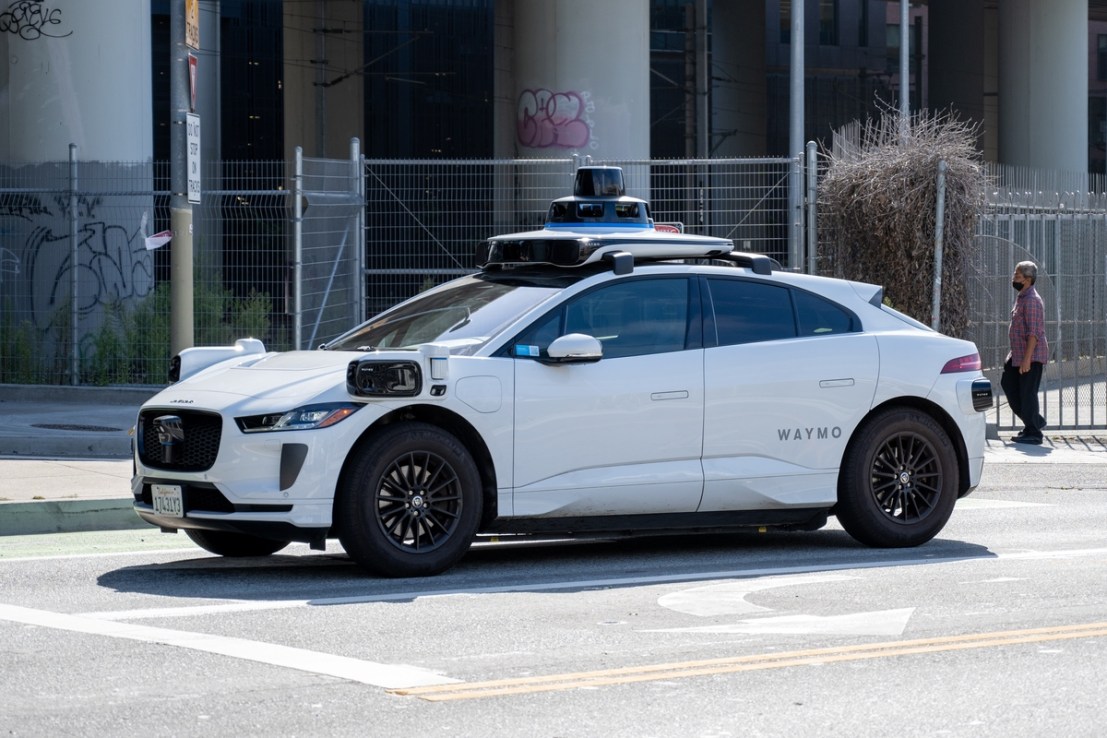
As the race to deploy autonomous vehicle technology intensifies, Alphabet-owned Waymo is navigating the complex task of preparing its robotaxi fleet for the unique operational landscape of London. While the company has established a significant footprint in the United States—operating commercial services across 10 metropolitan areas with a fleet of over 3,700 vehicles—the transition to the United Kingdom’s capital requires more than just adjusting to left-hand traffic.
Waymo has been conducting testing on London’s public roads since last autumn, a process that involves both autonomous software and the presence of trained specialists behind the wheel. According to the company’s latest operational data, Waymo now provides 500,000 paid rides per week in its active US markets and has logged a total of 200 million fully autonomous miles. This extensive experience serves as the foundation for its expansion into Europe, where the company is currently focusing on data collection and integration with local infrastructure.
Integrating with Urban Infrastructure
A primary challenge for autonomous deployment in a dense urban environment like London is the necessity of seamless coordination with existing emergency services. Saswat Panigrahi, Waymo’s chief product officer, emphasized that the company has engaged with local authorities and law enforcement for several months to ensure its vehicles can correctly interpret the specific signals and behaviors found in the capital.

“The sirens are slightly different in each city,” Panigrahi noted. “The light patterns are different, solid lights mean different things in different cities, flashing lights mean different things in different cities.”
Beyond standard traffic signals, the vehicles are being trained to recognize emergency personnel and specific hand gestures. In scenarios where the software encounters ambiguity—such as an active emergency scene—the system is designed to request clarification from a remote operator. This “human-in-the-loop” capability allows the vehicle to receive confirmation before proceeding through otherwise restricted areas, such as breaking a red light under the direction of an authorized officer.
Adapting to Local Driving Nuances
The process of teaching a robotaxi to navigate London extends to understanding the behavioral preferences of its residents. Data collection efforts have highlighted how passenger expectations regarding drop-off locations can shift based on time of day and local geography. For instance, in areas with high density, such as near popular pubs, passengers may prefer to be dropped off a block away rather than directly in front of the venue. This information is fed into the company’s multimodal AI models, which are designed to improve performance by synthesizing diverse datasets from across its global fleet.
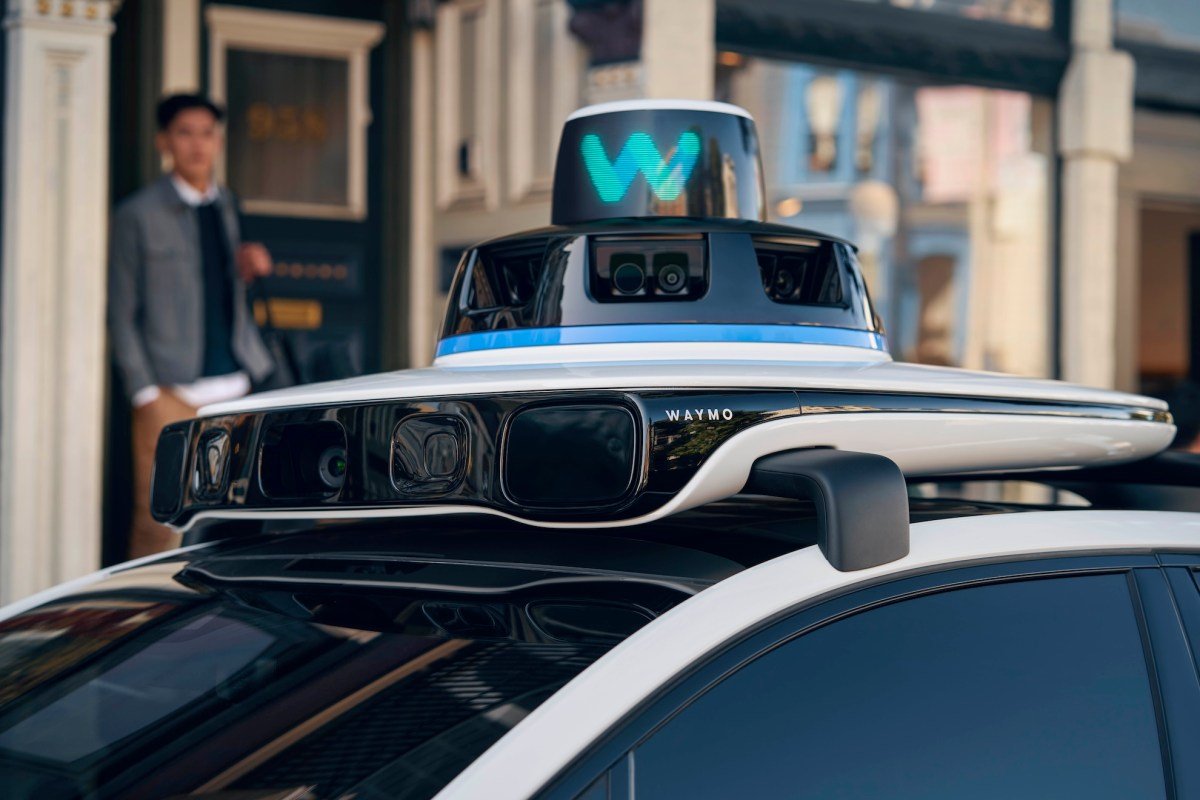
However, the testing phase has not been without friction. Earlier this year, reports emerged from the Shoreditch area regarding Waymo vehicles repeatedly reversing down narrow residential streets during overnight testing. Panigrahi clarified that these movements were part of a data-gathering exercise rather than a reflection of actual passenger service. He stated that the company has since adjusted its operational parameters to avoid such streets, noting that the vehicles are continuously building a comprehensive model of road throughput and traffic flow to optimize future routes.
Regulatory Landscape and Future Roll-out
The path to a commercial launch in the UK is governed by evolving regulatory frameworks. In May, the UK government officially opened the application process for companies seeking to operate self-driving passenger services. This policy shift has drawn interest from multiple players, including Waymo, Uber, and the British startup Wayve, all of which are eyeing potential operations within London.
Any deployment remains subject to the oversight of Transport for London (TfL), which has expressed concerns regarding the potential impact on congestion and the city’s existing transport network. Panigrahi indicated that the company’s strategy for London would mirror its incremental approach elsewhere: “We will start small. Right now you can already see us testing that in a pretty large area, but we’ll start in a smaller area with a few cars and then slowly expand from there.”

As Alphabet continues to prioritize its AI infrastructure—a sector in which the company maintains significant long-term investment—the success of Waymo’s London trial will likely serve as a critical benchmark for the scalability of autonomous ride-hailing in European markets. While the timeline for a full commercial rollout remains subject to regulatory approvals and ongoing safety evaluations, the company’s focus remains on refining its models to meet the specific demands of the London road network.
For those interested in the progress of autonomous vehicle regulations in the United Kingdom, official updates and guidance are periodically published via the UK Department for Transport. We encourage our readers to share their thoughts on the future of urban mobility in the comments section below.
Worth a look