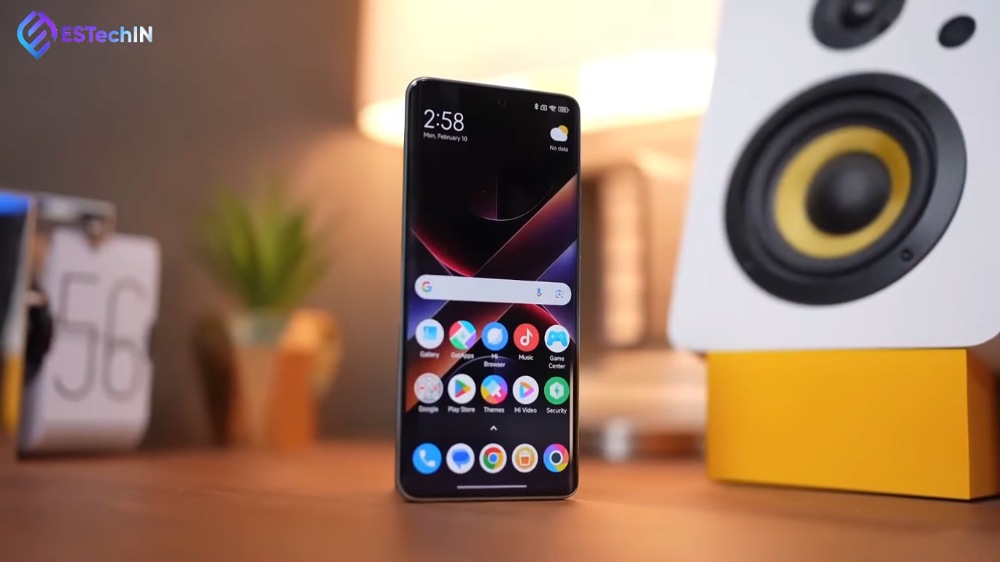
The smartphone industry is approaching a critical hardware inflection point. For years, the “mid-range” segment was defined by a predictable compromise: users could have a premium camera or a high-performance processor, but rarely both, and almost never with the memory overhead required for true multitasking. However, as we look toward the hardware landscape of 2026, that compromise is evaporating. The emergence of on-device generative artificial intelligence (AI) is fundamentally rewriting the rules of mobile architecture, turning what was once considered “luxury” memory into a functional necessity.
We are witnessing the beginning of the end for the 8GB RAM era. While 8GB of memory served the mobile ecosystem well through the era of social media and high-definition streaming, the requirements of modern Large Language Models (LLMs) and sophisticated Neural Processing Units (NPUs) demand a much larger footprint. As manufacturers prepare for the 2026 cycle, the industry is pivoting toward a new baseline: 12GB of RAM and 512GB of high-speed storage as the standard for meaningful performance. This shift is not merely about speed; it is about the capability to run complex, privacy-focused AI tools locally on the device without relying on the cloud.
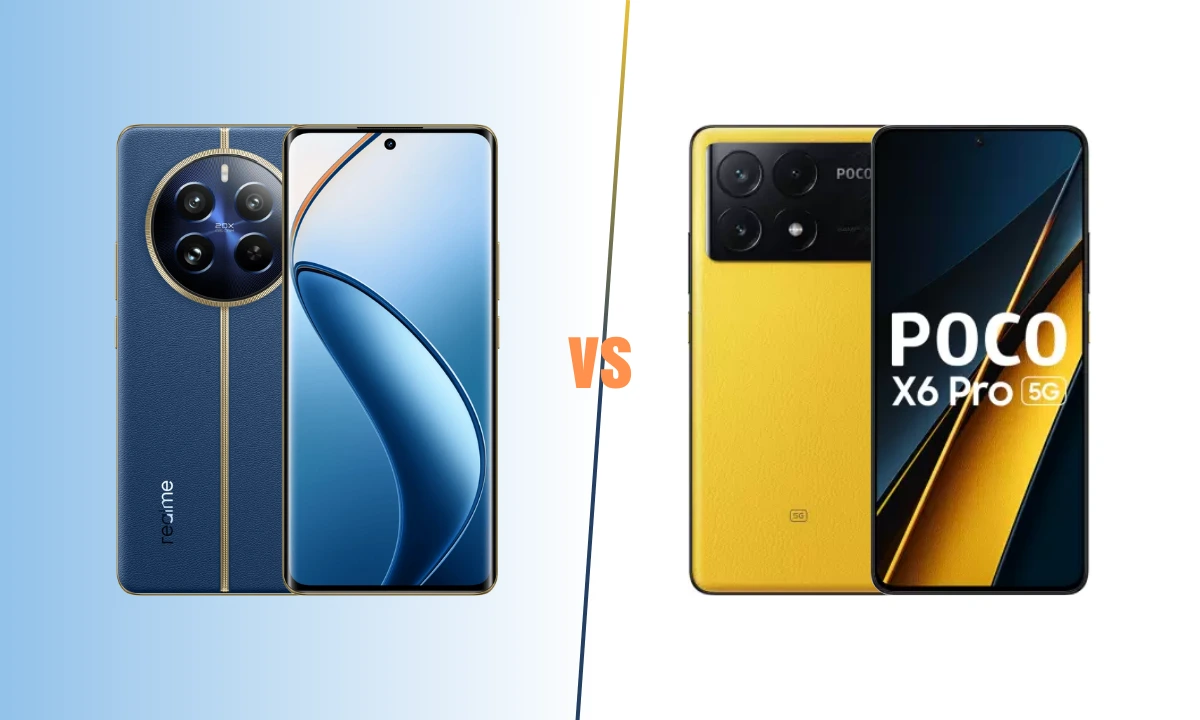
Leading this charge are brands like Xiaomi, through its performance-centric Poco sub-brand, and Realme. The anticipated arrival of devices like the Poco X7 Pro and the Realme P3 5G signals a broader market trend: the democratization of high-end specifications. These devices are expected to target the “sweet spot” of the market—offering the massive memory buffers and expansive storage typically reserved for $1,000 flagships, but at a price point accessible to the global mid-range consumer.
The AI Imperative: Why 8GB is No Longer Enough
To understand why 12GB of RAM is becoming the new benchmark, one must look at the architecture of on-device AI. In previous years, when you asked a virtual assistant a question, your request was sent to a massive server farm, processed, and sent back. This “cloud-first” approach required minimal local memory. However, the industry is moving toward “edge computing,” where the AI model lives directly on your smartphone’s silicon to ensure lower latency, better privacy, and offline functionality.
Running a quantized LLM—a version of an AI model optimized for mobile—requires significant “working memory.” When an AI model is loaded into the system, it occupies a large portion of the available RAM to store its weights and parameters. If a device only has 8GB of RAM, the operating system and background applications must compete with the AI for space. This leads to “memory pressure,” causing the system to kill background tasks or, worse, causing the AI itself to lag or crash. By moving to 12GB or even 16GB, manufacturers provide the “breathing room” necessary for the NPU to function alongside a heavy multitasking workload.
This hardware shift is corroborated by the trajectory of mobile chipset development. As companies like Qualcomm and MediaTek integrate increasingly powerful NPUs into their mid-range silicon, the bottleneck is no longer the raw processing power, but the speed and capacity of the memory feeding that processor. The transition to LPDDR5X memory standards is also playing a role, providing the high bandwidth required to move massive amounts of data between the storage and the processor in milliseconds.
Poco and Realme: Disrupting the Mid-Range Hierarchy
If the hardware requirements are rising, the question becomes: who will provide this power without breaking the consumer’s budget? This is where the competitive tension between Poco and Realme becomes most visible. Both brands have built their reputations on “spec-heavy” value propositions, and their projected 2026 lineups are expected to lean heavily into the high-RAM trend.
The Poco X7 Pro is shaping up to be a cornerstone of this movement. Historically, the Poco X-series has targeted enthusiasts and gamers who demand maximum frames-per-second (FPS) for the lowest possible cost. By incorporating 12GB of RAM as a standard configuration, the X7 Pro is positioned to handle not just high-end mobile gaming, but also the heavy computational loads of AI-driven photo editing and real-time language translation. For the Poco user, 12GB is not a luxury; it is the foundation for a device that remains fast for three to four years of heavy use.

Simultaneously, Realme’s P-series is carving out a niche that balances performance with lifestyle integration. The anticipated Realme P3 5G is expected to target a demographic that requires high-speed connectivity and massive storage for content creation. In an era where 4K video and high-resolution AI-enhanced photography are the norm, the 512GB storage capacity paired with 12GB of RAM ensures that creators can shoot, edit, and store large files without the constant anxiety of “storage full” notifications or system slowdowns.
This competition is healthy for the global market. As these brands fight for dominance in the mid-range tier, they drive down the cost of high-spec components, eventually making 12GB of RAM as ubiquitous as 4GB was a decade ago. This “trickle-down” effect is what allows consumers in emerging markets to access technology that was once the exclusive domain of the elite.
Projected Mid-Range Hardware Comparison (2026 Outlook)
| Feature Category | Legacy Mid-Range (2022-2023) | New Standard (2025-2026) | Primary Benefit |
|---|---|---|---|
| RAM Capacity | 6GB – 8GB | 12GB – 16GB | Seamless On-Device AI & Multitasking |
| Base Storage | 128GB | 256GB – 512GB | High-Res Media & Local AI Models |
| Memory Standard | LPDDR4X | LPDDR5 / LPDDR5X | Increased Data Bandwidth |
| AI Integration | Cloud-Dependent | On-Device (Edge AI) | Privacy, Speed, & Offline Use |
The Storage Explosion: Why 512GB is the New Baseline
While RAM dictates how many tasks a phone can do at once, storage dictates how much “intelligence” and “memory” the phone can hold. The move toward 512GB as a standard for high-value mid-range phones is driven by two primary factors: the increasing size of media files and the sheer size of AI models.
First, the sophistication of mobile sensors means that a single minute of 4K video at 60fps can consume hundreds of megabytes. When you add the computational overhead of AI-driven “computational photography”—where the phone takes multiple frames and merges them to create a single high-quality image—the file sizes balloon. For a user who treats their smartphone as their primary camera, 128GB is quickly exhausted. 512GB provides a buffer that allows for long-term use without the need for constant cloud subscriptions or external drives.
Second, and more importantly for the 2026 horizon, is the concept of “Model Storage.” If a user wants to download a high-quality, local version of a language model to ensure their data stays private, that model itself might occupy several gigabytes of space. As we move toward more specialized, fine-tuned models (e.g., an AI specifically for coding, another for creative writing, another for medical translation), the cumulative storage requirement for a “smart” phone will increase significantly. 512GB is not just about photos; it is about the capacity to house a library of digital intelligence.
What Consumers Should Look For: A Buyer’s Guide for the AI Era
As the market shifts, consumers may find themselves overwhelmed by marketing jargon. To navigate the 2025-2026 smartphone landscape effectively, it is important to look beyond the headline numbers. Here is what actually matters for long-term device utility:

- Don’t Just Look at RAM, Look at Type: A device with 8GB of LPDDR5X RAM may actually outperform a device with 12GB of older LPDDR4X RAM in AI tasks due to the significantly higher bandwidth.
- Prioritize UFS Standards: For storage, ensure the device uses UFS 3.1 or UFS 4.0. This determines how fast the phone can read and write data. A large 512GB storage capacity is useless if the “read speeds” are slow, as this will cause the entire UI to stutter when loading large files or AI models.
- NPU Performance is Key: When reviewing specs, look for mentions of the Neural Processing Unit (NPU) or “AI Engine.” The processor’s ability to handle AI is just as important as the amount of RAM available to hold the data.
- The “Total Value” Equation: Instead of looking for the “cheapest” phone, look for the best “spec-per-dollar” ratio. Devices like the Poco X7 Pro are designed specifically for this, providing flagship-adjacent memory configurations at mid-range prices.
Conclusion: The Horizon of Mobile Computing
The transition toward 12GB of RAM and 512GB of storage is more than a spec bump; it is a fundamental realignment of what a smartphone is intended to be. We are moving away from the smartphone as a communication and consumption tool and toward the smartphone as a personal, localized AI workstation. In this new era, memory is the currency of intelligence.
As we approach the official launch cycles for the next generation of mid-range devices, the industry will be watching closely to see if Poco, Realme, and other major players can maintain their aggressive pricing while absorbing the rising costs of high-capacity memory components. The winner of this hardware race will be the brand that successfully bridges the gap between high-performance AI capabilities and mass-market affordability.
Next Checkpoint: We will be closely monitoring the upcoming major mobile technology showcases (such as MWC) for official teardowns and hardware specifications regarding the next generation of mid-range chipsets. Stay tuned for our in-depth analysis of how these silicon advancements translate to real-world AI performance.
What do you think is more important for your next phone: more RAM for multitasking or more storage for photos? Let us know in the comments below and share this article with your tech-savvy friends!
Worth a look