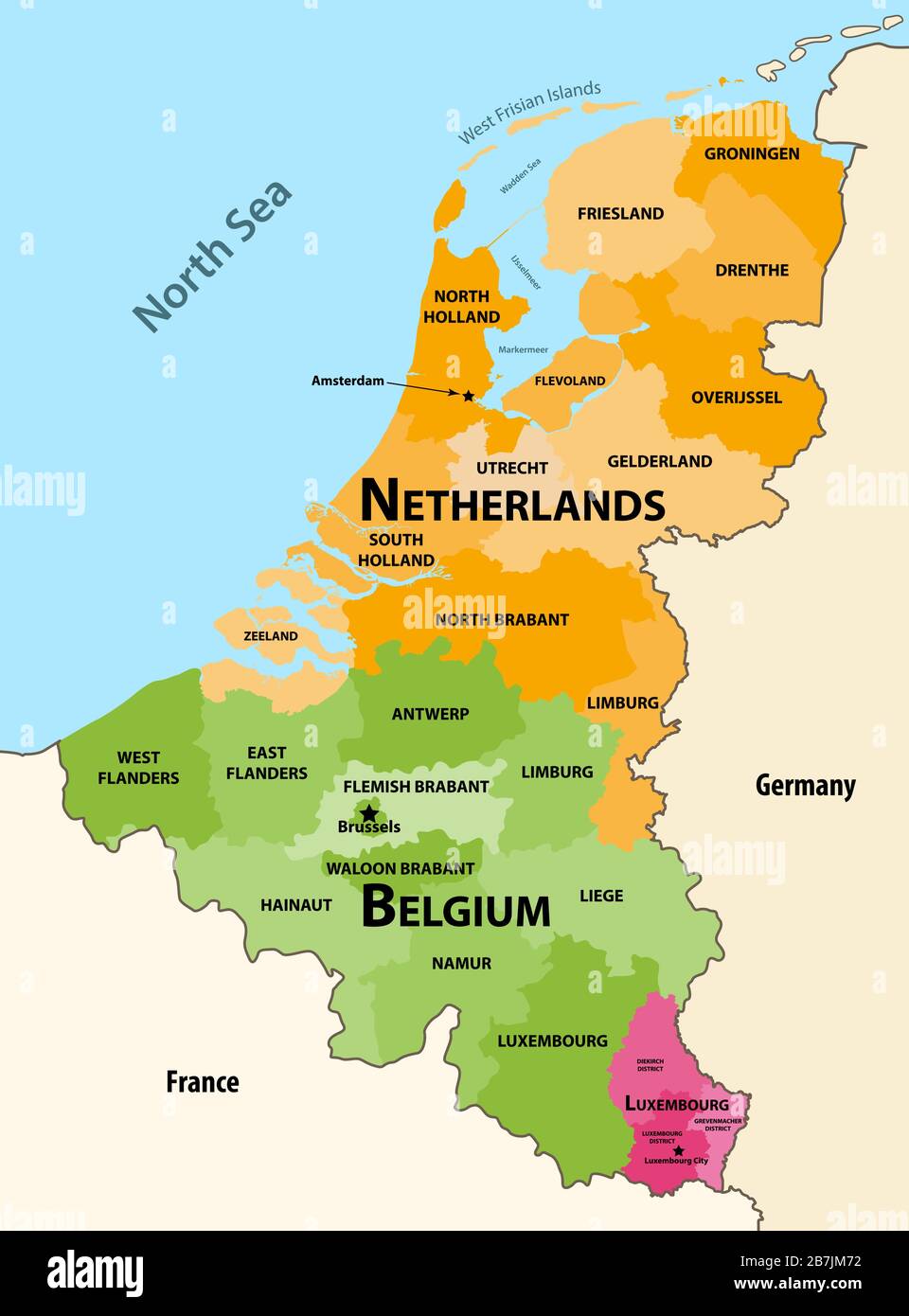
The landscape of digital note-taking is undergoing a significant shift as the demand for “deep work” tools continues to climb. For professionals and students seeking to escape the constant notifications of tablets and smartphones, the e-ink ecosystem offers a sanctuary of focus. The latest development in this niche market is the expansion of Paperslate, a French-based developer of digital paper tablets, into the Netherlands and Belgium.
Positioned strategically as a more accessible alternative to the industry-leading reMarkable 2, Paperslate aims to capture a growing segment of the European market that prioritizes a premium, paper-like writing experience without the prohibitive price tag often associated with high-end e-ink devices. This move into the Benelux region signals a broader push by European tech startups to challenge the dominance of established players in the electronic paper sector.
As the tech industry observes the rise of “minimalist hardware,” the entry of Paperslate into the Dutch and Belgian markets provides a timely case study in how specialized hardware can carve out a niche against much larger competitors. For users in these regions, the availability of a localized, cost-effective e-ink solution could redefine how they approach digital organization and creative brainstorming.
A New Contender in the E-Ink Arena
Paperslate enters a market that has been largely defined by a few key players. For years, the reMarkable tablet has been the gold standard for those seeking a distraction-free environment, lauded for its tactile writing feel and minimalist software. However, as with many premium tech products, the barrier to entry—both in terms of initial hardware cost and the ecosystem of required accessories—has left a gap in the market for a more budget-conscious alternative.
The Paperslate e-ink tablet is designed specifically to fill this void. By focusing on the core requirements of digital stationery—low latency, high-contrast e-ink displays, and an intuitive interface—the company is targeting users who find the Kindle Scribe too consumer-centric or the reMarkable too expensive. The expansion into the Netherlands and Belgium is a calculated move to tap into some of Europe’s most tech-literate and early-adopting populations.
What sets Papersslate apart is its emphasis on the “pure” writing experience. Unlike multi-purpose tablets that attempt to bridge the gap between a laptop and a notebook, Paperslate leans into the limitations of e-ink as a strength. By stripping away the distractions of web browsers, social media notifications, and complex app ecosystems, the device serves as a dedicated tool for thought, much like a physical Moleskine notebook, but with the infinite scalability of digital storage.
Technical Deep Dive: The Appeal of Digital Paper
To understand why a device like the Paperslate e-ink tablet is gaining traction, one must understand the underlying technology. Unlike the Liquid Crystal Displays (LCD) or Organic Light Emitting Diodes (OLED) found in iPads or Samsung Galaxy Tabs, e-ink utilizes electrophoretic technology. This involves tiny microcapsules containing positively charged white particles and negatively charged black particles, which move in response to an electric field to create text and images.
This technology offers several critical advantages for long-form readers and writers:
- Eye Comfort: Because e-ink displays reflect ambient light rather than emitting it directly into the eye, they significantly reduce digital eye strain, making them ideal for prolonged reading or writing sessions.
- Battery Longevity: E-ink displays only consume power when the image on the screen changes. This allows for battery life measured in weeks rather than hours, a massive advantage for mobile professionals.
- Outdoor Visibility: Much like real paper, e-ink becomes clearer in direct sunlight, whereas traditional screens become difficult to read due to glare.
For the Paperslate device, the technical challenge lies in minimizing “latency”—the delay between the physical movement of the stylus and the appearance of the digital ink on the screen. In the world of digital note-taking, high latency breaks the illusion of writing on paper. Paperslate’s engineering focus appears to be centered on achieving a near-instantaneous response, a key metric that will determine its success against established rivals.
Comparing the Landscape: Paperslate vs. The Giants
As Paperslate rolls out its availability in the Benelux region, consumers are likely to weigh it against the two most prominent names in the industry. The following comparison outlines the primary differentiators that will influence purchasing decisions.
| Feature | Paperslate | reMarkable 2 | Kindle Scribe |
|---|---|---|---|
| Primary Focus | Affordable, minimal note-taking | Premium, tactile writing feel | Reading and light note-taking |
| User Experience | Distraction-free / Minimalist | Highly curated / Focused | Ecosystem-heavy (Amazon) |
| Price Point | Mid-range / Competitive | Premium | Mid-to-High |
| Best For | Students & Budget-conscious pros | Creative professionals & Writers | Avid readers with occasional notes |
While the reMarkable 2 offers a highly polished, almost luxury experience, its cost can be a deterrent for students or those who only need a digital notebook occasionally. Conversely, the Kindle Scribe is deeply integrated into the Amazon Kindle ecosystem, which is excellent for readers but can feel cluttered for those seeking a pure, dedicated writing instrument. Papersslate attempts to find the “Goldilocks zone”—offering enough sophistication to be a professional tool, but enough simplicity to remain affordable.
The Strategic Importance of the Benelux Expansion
The decision to target the Netherlands and Belgium is not incidental. These markets represent a high concentration of “knowledge workers”—individuals whose primary output is information-based. From the tech hubs in Eindhoven to the financial centers in Brussels and Amsterdam, the demand for tools that facilitate deep concentration is at an all-time high.

the European regulatory environment and the growing trend of “sovereign tech” favor European-made hardware. As a French company, Paperslate benefits from a level of regional trust and alignment with EU standards that can sometimes be a hurdle for North American or Asian competitors. By establishing a footprint in the Benelux region, Paperslate is effectively building a gateway into the broader European market.
For consumers in these countries, the expansion means more than just a new gadget. It means localized support, potentially easier shipping logistics, and a product that is designed with the European professional’s workflow in mind. As we see more specialized hardware entering the market, the ability to provide local accessibility will be a deciding factor in long-term brand loyalty.
Key Takeaways for Prospective Users
- Target Audience: Ideal for students, researchers, and professionals who need a distraction-free environment for writing and reading.
- Market Position: A cost-effective alternative to the reMarkable 2, focusing on essential e-ink features.
- Core Technology: Uses electrophoretic e-ink for eye comfort, long battery life, and sunlight readability.
- Regional Availability: Now expanding specifically into the Netherlands and Belgium.
As the digital stationery market matures, the arrival of Paperslate marks a shift from “niche luxury” to “accessible utility.” Whether it can truly unseat the established giants remains to be seen, but the competition is undoubtedly better for the consumer. The next phase of this rollout will be the arrival of independent, long-term reviews from tech analysts in the region, which will provide the definitive verdict on its writing latency and software stability.
For more updates on the evolving landscape of consumer electronics and emerging tech trends, follow World Today Journal. What are your thoughts on the rise of distraction-free hardware? Let us know in the comments below and share this article with your network.
Worth a look