
SACRAMENTO, CA — California’s health care landscape faces a pivotal moment as the State Assembly released its 2026–27 budget plan this morning, sparking immediate backlash from advocates who argue the proposal disproportionately targets vulnerable immigrant populations. The plan, which largely mirrors controversial health care rollbacks previously suggested by Governor Gavin Newsom, has drawn sharp criticism for failing to align with more protective measures recently advanced by the State Senate.
As the Editor of the Health section at World Today Journal, I have spent over a decade analyzing how legislative shifts impact public health outcomes. From my perspective in Berlin, the path California chooses in these final budget negotiations is not merely a matter of fiscal policy; it is a fundamental test of the state’s commitment to health equity. The current Assembly proposal, by opting to move forward with significant coverage reductions, stands in stark contrast to the Senate’s effort to shield low-income seniors, people with disabilities and humanitarian immigrants from the most severe impacts of these cuts.
The Impact of Proposed Budgetary Rollbacks
The Assembly’s budget plan outlines a series of measures that health advocates warn will have lasting, detrimental consequences for thousands of Californians. Among the most concerning provisions is the decision to proceed with the elimination of dental coverage for immigrants with varying status. Unlike other areas of the budget that include delays for system updates, there is no such reprieve for oral health care, with the cuts slated to take effect on July 1.
the plan introduces new financial barriers for those already struggling to maintain coverage. The budget includes a monthly premium of up to $50 for both lawfully present and undocumented adults enrolled in Medi-Cal. Experts warn that this charge could effectively price working families out of the medical services they rely on for essential care. As noted by Christine Smith, Policy & Legislative Advocate of Health Access California, there is significant concern that these decisions lack both fiscal and moral justification, particularly for individuals who are already contributing members of the state’s communities.
Stalled Protections and Increased Barriers
Beyond premiums and dental care, the Assembly’s proposal leaves several other critical issues unaddressed. The plan maintains a freeze on new Medi-Cal enrollment for undocumented adults, a move that critics argue prevents eligible residents from accessing life-saving care. The budget does not act to remove state-imposed work reporting requirements. Advocates suggest these administrative hurdles create unnecessary paperwork barriers that will likely push eligible, vulnerable populations off of their health insurance rolls.

The plan also addresses the Medi-Cal asset test. While the Assembly proposes a delay in its implementation, the ultimate goal remains to reduce the asset limit back to $2,000. This policy would force low-income seniors and individuals living with disabilities to deplete their modest savings simply to remain eligible for public health coverage. For many, this represents a choice between personal financial stability and the ability to see a doctor.
Advocacy Groups Mobilize Against Proposed Cuts
The disappointment among consumer and health advocates is palpable. Organizations such as the California Immigrant Policy Center and the California Pan-Ethnic Health Network (CPEHN) have publicly decried the plan, emphasizing that the reduction of coverage does not equate to state savings. Instead, they argue, these costs are merely shifted to emergency rooms and county-run systems that are often less equipped to handle preventative care.
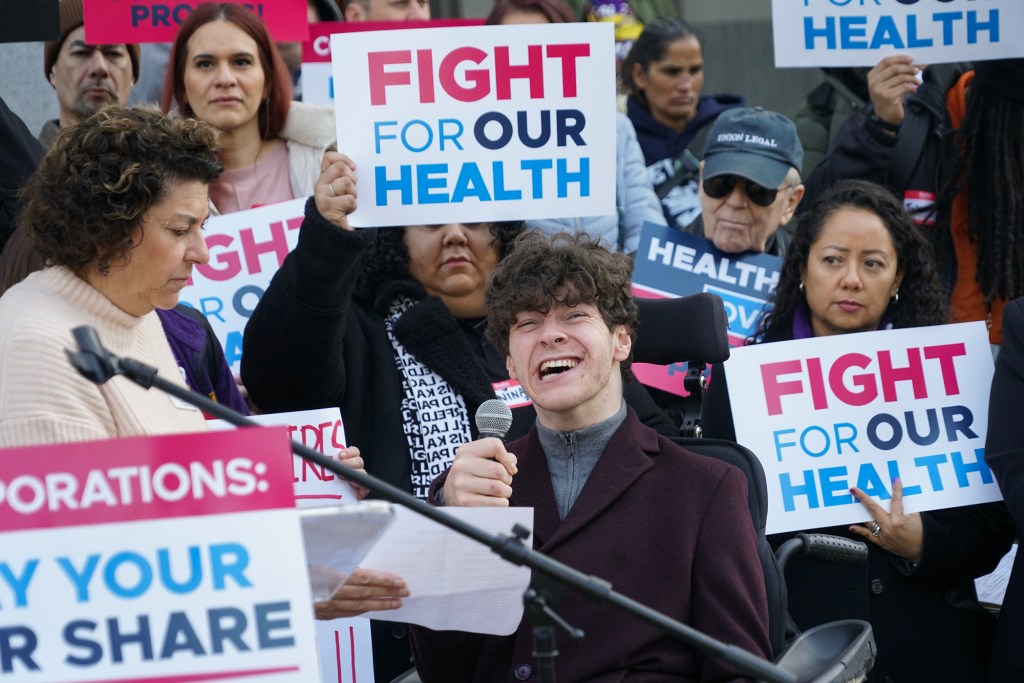
In response to the budget release, a coalition of organizations, including the Health4All coalition, has organized a statewide bus tour. This initiative aims to bring together patients, community leaders, and advocates to urge legislators to reject these cuts during the final budget negotiations. Those interested in the official details regarding the mobilization efforts or wishing to learn more about the coalition’s stance can find information via the Health4All coalition’s official resource page.
Looking Ahead: The Final Negotiations
The divide between the Assembly and the State Senate remains the primary point of contention as the state nears its final budget deadline. While the Senate’s recent budget proposal signaled a clear intent to reject the most damaging of the Governor’s proposed rollbacks, the Assembly’s current posture leaves the future of these programs uncertain. As Mar Velez, Director of Policy for the Latino Coalition for a Healthy California, noted, the Assembly’s silence on restoring these specific Medi-Cal cuts is a source of significant concern for those monitoring the impact on thousands of Californians.
As negotiations continue in Sacramento, the eyes of the public health community remain fixed on whether the legislature will choose to prioritize the health of its most vulnerable residents or adhere to the current trajectory of budget cuts. We will continue to provide updates as the final budget deal takes shape. We invite our readers to share their thoughts on the balance between fiscal responsibility and public health access in the comments section below.
- How Birth Order Affects Your Risk of Over 100 Different Diseases
- Dengue Fever Outbreaks Surge in Philippines and Sri Lanka: Deaths Reported and Drones Deployed for Control
- New Study Links GLP-1 Medications Like Wegovy and Ozempic to Health Risks (archyde.com)
- NBAA Advocates Against Retroactive Bahamas Air Navigation Fee Hikes (archyworldys.com)