
As the technology sector looks toward the horizon of 2026, the conversation surrounding Microsoft’s development roadmap has shifted from iterative OS updates to a fundamental reimagining of the computing experience. For developers and enterprise users alike, the focus is increasingly centered on how artificial intelligence will be integrated not just as a software layer, but as a core component of the hardware and operating system architecture. Recent industry discourse has clarified that the company is moving away from the traditional, numbered Windows release cycle in favor of a continuous, AI-driven evolution of the platform.
At the heart of this transition is a commitment to “agentic” computing—a shift that prioritizes autonomous, task-oriented AI agents capable of navigating complex workflows on behalf of the user. This strategy, often discussed in the context of integrating AI into the Windows ecosystem, marks a departure from the “Windows 12” speculation that dominated tech headlines throughout 2024 and 2025. By focusing on the underlying infrastructure of the OS, Microsoft is signaling that the next major leap in personal computing will be defined by machine intelligence that anticipates user needs rather than waiting for explicit commands.
The Evolution of the Windows Ecosystem
For years, the industry operated under the assumption that a significant version jump—a successor to Windows 11—was inevitable. However, clear signals from Redmond have confirmed that the company is moving toward a service-oriented model. This approach ensures that updates to the kernel, security protocols, and AI integration are delivered seamlessly, rather than through the disruptive, multi-year upgrade cycles of the past. This strategy is essential for maintaining the momentum of Copilot+ PCs, which serve as the hardware foundation for these new, intelligence-heavy features.
The decision to move away from a traditional “Windows 12” release is a strategic choice to reduce fragmentation. By keeping the user base on a unified, evergreen version of the operating system, Microsoft can ensure that developers building AI-first applications have a consistent target. This is critical for the growth of the Windows developer ecosystem, as it allows for the deployment of sophisticated, agent-based applications that require deep, low-level access to system resources and hardware-accelerated neural processing units (NPUs).
Agentic Hardware and the Future of Productivity
The concept of agent-centered hardware represents the most significant shift in consumer electronics in a decade. Unlike traditional PCs, which function as passive tools waiting for user input, the next generation of Windows-compatible devices is being designed with “agentic” capabilities in mind. This involves hardware optimized for local AI inference, ensuring that sensitive data is processed on-device rather than in the cloud, which is a major pillar of Microsoft’s stated commitment to privacy and security.
This hardware vision focuses on three pillars: low-latency local processing, enhanced power efficiency for long-running AI tasks, and a secure, sandboxed environment where agents can operate with a degree of autonomy. For developers, this means the tools provided at upcoming developer conferences will be focused on “AI-first” APIs. These tools will allow software to interact with the OS in ways that were previously impossible, effectively allowing an application to “see” and “act” within the desktop environment to complete multi-step tasks across different software silos.
Key Takeaways for Developers and Enterprise Users
- Continuous OS Evolution: Expect feature updates to be delivered as part of the ongoing Windows lifecycle rather than through traditional versioned releases.
- Agentic AI Integration: The focus is shifting toward autonomous agents that can manage workflows, handle data retrieval, and interact with multiple applications.
- Hardware Optimization: Future-proofing your hardware strategy requires prioritizing devices with high-performance NPUs capable of handling local AI workloads.
- Security-First Architecture: With increased agent autonomy, Microsoft is placing a renewed emphasis on secure enclaves and local data processing to protect user privacy.
What Happens Next?
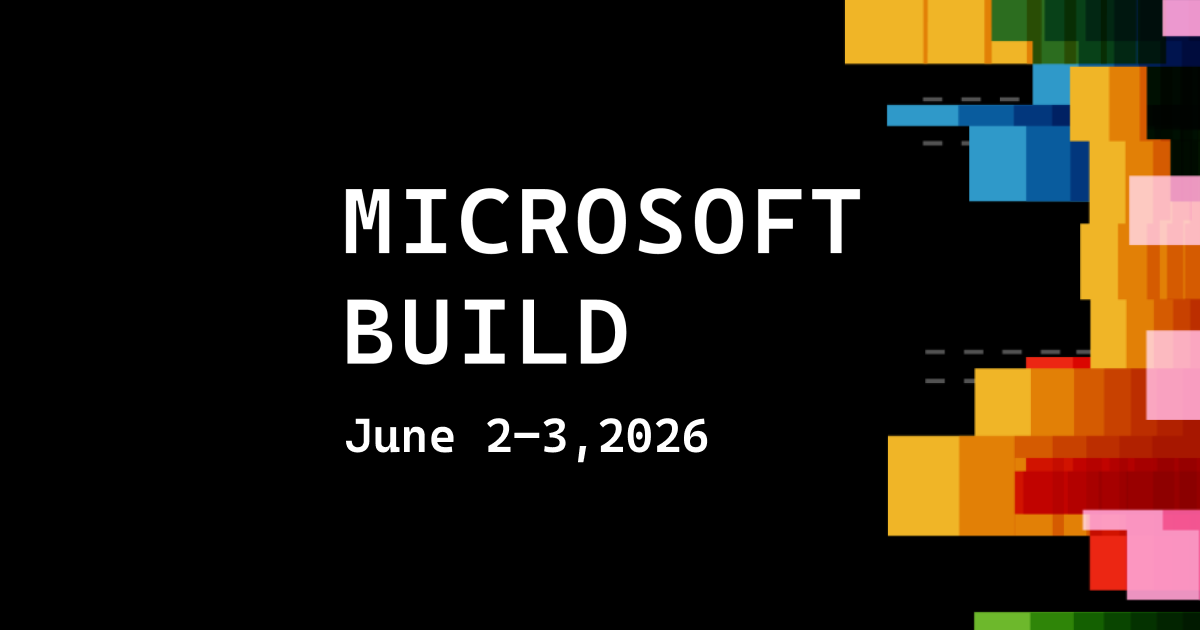
The industry is now waiting for the next major developer conference, where Microsoft is expected to provide more granular technical documentation regarding these agentic frameworks. While the company has not provided a specific date for the next major reveal, industry analysts generally point to the standard annual developer cycle, which typically occurs in the spring. These events are the primary venue for Microsoft to release updated SDKs and provide the technical guidance necessary for developers to begin building for the next era of Windows.

As we monitor these developments, the “AI PC” is no longer a marketing buzzword but a tangible shift in how we interact with our technology. Whether you are a developer looking to integrate agentic features into your software or an IT professional planning your organization’s long-term hardware roadmap, the focus must remain on the capabilities provided by the OS-level integration of AI. We will continue to cover these updates as they are officially announced. If you have thoughts on how agentic computing might change your daily workflow, feel free to join the conversation in the comments section below.
Worth a look