4 Standing Exercises to Reduce Belly Fat After 55—More Effective Than Traditional Gym Workouts
For adults over 55, shedding stubborn belly fat can feel like an uphill battle—even with regular gym workouts. The reason? Many conventional exercises focus on isolated core movements like crunches or sit-ups, which primarily strengthen abdominal muscles without significantly increasing calorie expenditure or improving functional mobility. Research consistently shows that spot reduction—the idea of burning fat in one specific area—is largely ineffective. Instead, targeting belly fat requires a dual approach: increasing overall energy expenditure while strengthening muscles that support posture, mobility, and core stability.
Enter standing exercises. Unlike seated or floor-based routines, standing workouts engage multiple muscle groups simultaneously, including the core, hips, glutes, and legs. This full-body activation not only boosts calorie burn but also enhances balance and functional strength—critical factors for healthy aging. Below, we outline four evidence-backed standing exercises designed to reduce belly overhang, improve metabolic health, and support long-term mobility.
Before diving in, it’s worth noting that while these exercises target the midsection, they should be paired with a balanced diet and consistent cardiovascular activity for optimal results. For those new to strength training, starting with two to three sets per exercise and gradually increasing intensity is recommended.
Key Takeaways
- Standing exercises recruit more muscle groups than seated or isolated core workouts, increasing calorie expenditure and metabolic demand.
- Research confirms that spot reduction is ineffective—fat loss requires a combination of increased energy expenditure and targeted muscle engagement.
- These exercises improve posture, balance, and functional mobility, reducing injury risk and enhancing daily movement.
- Low-impact options like standing marches and wood chops are joint-friendly and suitable for all fitness levels.
- Consistency matters: Aim for 3–5 times per week, pairing these exercises with a nutrient-dense diet for best results.
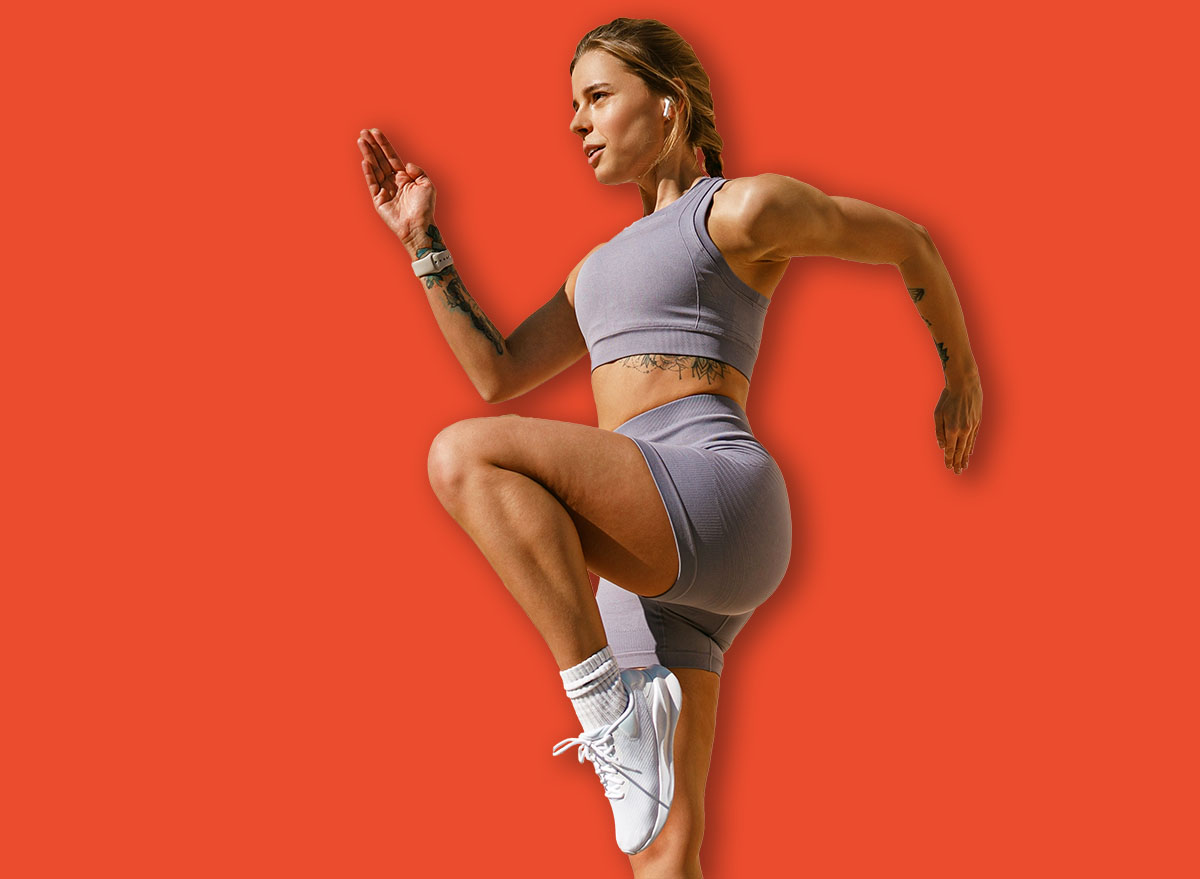
1. Standing Knee Drives: Core Activation with Cardiovascular Benefits
Standing knee drives combine core stabilization with cardiovascular movement, making them one of the most efficient exercises for fat loss and endurance. By lifting your knees repeatedly, you force your abdominal muscles to engage continuously while elevating your heart rate—without the lower-back strain associated with floor-based exercises like sit-ups.
Why it works: This exercise targets the rectus abdominis (six-pack muscles), transverse abdominis (deep core stabilizer), and hip flexors, while also improving circulation and coordination. Studies on compound movements (exercises that engage multiple muscle groups) show they increase post-exercise calorie burn by up to 20–30% compared to isolated exercises.
How to Perform Standing Knee Drives
- Stand tall with feet hip-width apart, hands on hips or at chest height.
- Engage your core by gently drawing your belly button toward your spine.
- Drive one knee upward toward your torso, keeping your chest upright and avoiding excessive leaning backward.
- Lower your leg with control, then repeat with the opposite leg.
- Continue alternating legs at a steady pace for 20–30 total reps (10–15 per leg).
Pro tip: For added intensity, lift your arms overhead or perform the exercise on an unstable surface (e.g., a cushion or balance pad) to further challenge your core.
2. Standing Wood Chops: Targeting Obliques and Rotational Strength
Standing wood chops are a powerhouse for oblique muscles (the sides of your abdomen) and rotational core strength—both critical for functional movements like lifting, twisting, and reaching. As we age, rotational strength declines, increasing the risk of injuries during daily activities. This exercise mimics natural twisting motions, making it ideal for improving mobility and reducing belly fat.
Why it works: Rotational exercises have been shown to enhance core stability and metabolic rate by engaging the obliques, transverse abdominis, and deep hip rotators. The dynamic movement also stimulates the sympathetic nervous system, which can further support fat oxidation.
How to Perform Standing Wood Chops
- Stand with feet shoulder-width apart, clasp hands together in front of your chest.
- Flex your core and keep your chest lifted to avoid rounding your spine.
- Rotate your torso diagonally, moving your hands across your body as if chopping wood (imagine cutting through a log at waist height).
- Pivot slightly through your hips and torso, using your glutes and obliques to generate power.
- Return to the starting position and repeat on the opposite side for 10–15 reps per side.
Modification: If balance is challenging, perform the exercise near a wall or chair for support.
3. Side Leg Raises: Strengthening Hips and Core for Posture Support
Side leg raises are often overlooked but are essential for improving hip stability and abdominal control. Weak hip abductors (the muscles on the sides of your hips) can contribute to poor posture, lower-back pain, and even knee issues. This exercise strengthens these muscles while also engaging the obliques and deep core, creating a slimmer waistline and better body alignment.
Why it works: Research on hip abductor strength highlights its role in reducing pelvic instability and metabolic dysfunction, both linked to belly fat accumulation. By improving hip mobility, this exercise also supports better gait and reduced joint stress.
How to Perform Side Leg Raises
- Stand beside a chair or wall for balance if needed, feet hip-width apart.
- Engage your core and stand upright, avoiding any lateral lean.
- Slowly lift one leg out to the side until it reaches hip height (or as high as comfortable without arching your back).
- Pause for 1–2 seconds at the top, then lower your leg with control.
- Repeat for 12–15 reps per leg, focusing on precision over speed.
Advanced option: Add ankle weights (2–5 lbs) or perform the exercise on one leg for greater challenge.
4. Standing Marches with Arm Swings: Low-Impact Cardio for Core Engagement
Standing marches with arm swings are a low-impact, high-reward exercise that combines cardiovascular activity with core stabilization. This movement mimics walking or running in place, making it accessible for all fitness levels while effectively engaging the midsection, glutes, and shoulders. The addition of arm swings increases calorie expenditure and improves coordination.
Why it works: Studies on marching exercises demonstrate their ability to enhance insulin sensitivity and reduce visceral fat (the dangerous fat stored around organs). The dynamic arm movement also activates the serratus anterior and deltoids, further boosting metabolic demand.
How to Perform Standing Marches with Arm Swings
- Stand tall with feet hip-width apart, core braced.
- Begin marching in place, lifting your knees to hip height (or as high as comfortable).
- Swing your arms naturally with each step, as if walking outdoors.
- Keep your abs engaged throughout to maintain stability.
- Continue for 30–60 seconds per set, aiming for 2–3 rounds with 45–60 seconds of rest between sets.
Variation: Add a slight side shuffle or toe taps for increased intensity.
Maximizing Results: Tips for Success
To see the best results from these standing exercises, consider the following evidence-based strategies:
- Consistency is key: Aim for 3–5 sessions per week, combining these exercises with 150+ minutes of moderate cardiovascular activity (e.g., walking, cycling, or swimming).
- Progressive overload: Gradually increase reps, sets, or resistance (e.g., ankle weights) every 2–3 weeks to continue challenging your muscles.
- Pair with protein-rich meals: Consuming 20–30 grams of protein per meal (e.g., lean meats, legumes, or dairy) helps preserve muscle mass during fat loss, which is critical for metabolic health.
- Prioritize sleep: Poor sleep increases cortisol levels, a hormone linked to belly fat storage. Aim for 7–9 hours per night.
- Hydrate adequately: Dehydration can reduce exercise performance by up to 2–10%. Drink at least 2–3 liters of water daily.
Avoid These Mistakes for Better Results
Even the most effective exercises can lose their benefits if performed incorrectly. Here’s what to watch for:
- Rounding the spine: During wood chops or knee drives, avoid arching or rounding your back. Keep your core engaged to protect your lower spine.
- Rushing reps: Quality over quantity. Leisurely, controlled movements maximize muscle engagement and reduce injury risk.
- Ignoring breath: Exhale during the exertion phase (e.g., when lifting your knee or rotating during wood chops) to stabilize your core.
- Skipping warm-ups: Spend 5–10 minutes on dynamic stretches (e.g., arm circles, leg swings) to prepare your muscles and joints.
- Overestimating progress: Belly fat loss takes time. Track measurements (waist circumference) and strength gains rather than relying solely on the scale.
What the Research Says
While no single exercise can “spot reduce” fat, standing workouts offer unique advantages for metabolic health and functional fitness. Here’s what studies reveal:
- Standing vs. Seated exercises: A 2017 study in the Journal of Strength and Conditioning Research found that standing exercises increased core muscle activation by 15–25% compared to seated versions, likely due to the need to stabilize against gravity.
- Rotational strength and aging: Research in Gerontology & Geriatric Research highlights that rotational exercises like wood chops improve spinal mobility and reduce falls risk in older adults.
- Hip abductor strength: Weak hip muscles are linked to metabolic syndrome. A 2018 study showed that targeted hip exercises reduced visceral fat by up to 12% over 12 weeks when combined with diet.
- Low-impact cardio: Standing marches have been shown to lower blood pressure and improve insulin sensitivity similarly to moderate walking, without joint stress.
Building a Sustainable Routine
Incorporating these standing exercises into your weekly routine is just the beginning. For long-term success, consider the following steps:
- Create a circuit: Combine all four exercises into a 20–30 minute routine, performing 2–3 rounds with minimal rest between exercises.
- Track progress: Use a journal or app to log workouts, noting reps, sets, and how you feel. Celebrate small victories, such as increased endurance or better posture.
- Explore variations: Once these exercises feel easy, introduce advanced moves like single-leg deadlifts, standing Russian twists, or heel-toe raises.
- Stay accountable: Partner with a friend, join a class, or hire a trainer for personalized guidance.
- Focus on recovery: Incorporate yoga or stretching 2–3 times weekly to improve flexibility and reduce soreness.
Ready to Transform Your Midsection?
These four standing exercises are a science-backed starting point for reducing belly fat after 55—without the limitations of traditional gym workouts. For optimal results, pair them with a balanced diet, adequate hydration, and consistent cardiovascular activity.
Have you tried standing exercises for fat loss? Share your favorite routines or tips in the comments below! For more expert-backed fitness advice, subscribe to our newsletter or explore our health and wellness archives.
Worth a look