
The global commodities landscape is currently navigating a period of heightened scrutiny as international trading firms face increasing pressure regarding governance, transparency, and regulatory compliance. Among the companies under the spotlight is the Geneva-based commodity trader Gunvor Group Ltd, which has recently been the subject of reports concerning legal activity at its Swiss headquarters. As the sector faces structural volatility and an evolving geopolitical environment, the implications of such investigations ripple across the broader energy markets.
For a firm of Gunvor’s scale—which reported a revenue of US $144 billion for the fiscal year ended December 31, 2025—the management of legal and regulatory inquiries represents a critical component of its operational strategy. The company, which operates globally with a workforce of approximately 2,000 employees, has recently undergone a significant transition, including a management-led buyout and the appointment of Gary Pedersen as CEO. These structural changes, as detailed in the company’s 2025 financial disclosures, underscore a period of internal realignment for the organization.
Understanding the Regulatory Context
The energy commodities sector operates within a complex web of international sanctions and localized legal frameworks. Gunvor’s business model involves the movement of energy from sourcing points to regions of high demand, a process that requires navigating what the company describes as “fragmentation, sanctions, and regional dislocations.” In its latest reports, the company noted that while trading margins were volatile throughout 2025, performance remained robust through the start of 2026. However, the intersection of these trading activities with international anti-corruption standards remains a focal point for regulators in Switzerland and beyond.
In Switzerland, the Office of the Attorney General (OAG) maintains the authority to initiate investigations into potential corporate misconduct under the Swiss Criminal Code. While the OAG does not typically comment on ongoing investigations before charges are filed, public interest in the oversight of commodity traders remains high given their role in the global economy. As noted by the Swiss Federal Department of Justice and Police, maintaining the integrity of the financial and trading sectors is a priority for federal authorities, particularly concerning the prevention of money laundering and corruption.
Governance and Structural Changes
The recent management buyout, which has seen the company transition toward an employee-owned model, marks a new chapter for the firm. By moving away from its previous ownership structure, Gunvor aims to emphasize long-term stability. Gary Pedersen, in his capacity as Chairman and CEO, has signaled a focus on navigating the “structurally tight” energy markets that defined the previous year. The transition is significant not only for the company’s internal governance but also for its relationship with stakeholders who monitor corporate accountability in the commodity trading hub of Geneva.

Gunvor’s operations are vast, spanning the trade, transport, and storage of petroleum products. According to its official corporate profile, the company has actively sought to diversify its energy portfolio, including the establishment of Nyera in 2021, a division specifically dedicated to investments in renewable energy. This strategic pivot reflects a broader industry trend toward energy transition, even as the core business remains deeply embedded in traditional crude oil and liquid products.
The Role of Compliance in Commodity Trading
For any multinational corporation, the legal process is rarely a singular event but rather a continuous engagement with regulatory bodies. The current environment for firms like Gunvor involves rigorous adherence to international economic sanctions. The company has explicitly stated that it has ceased trading Russian crude oil, limiting its involvement to minimal, sanction-compliant volumes of oil products. This adherence is monitored closely by international observers and internal compliance teams to ensure the firm remains within the bounds of global trade restrictions.
The legal challenges facing the commodity sector are often linked to the risks inherent in working in jurisdictions with varying levels of transparency. International bodies, such as the Organization for Economic Co-operation and Development (OECD), provide frameworks for multinational enterprises to mitigate these risks. Adherence to these standards is not merely a legal requirement but a fundamental aspect of maintaining the “social license to operate” in major trading hubs like Switzerland, Singapore, and the United States.
Looking Ahead: Market Impact and Transparency
As the legal processes unfold, the market will be watching to see how Gunvor manages its operational continuity. With 253 million metric tonnes in volumes reported for 2025, the company remains a top-tier player in the global energy market. The ability of the new leadership team to balance aggressive trading strategies with stringent compliance will likely determine the company’s trajectory in the coming years.
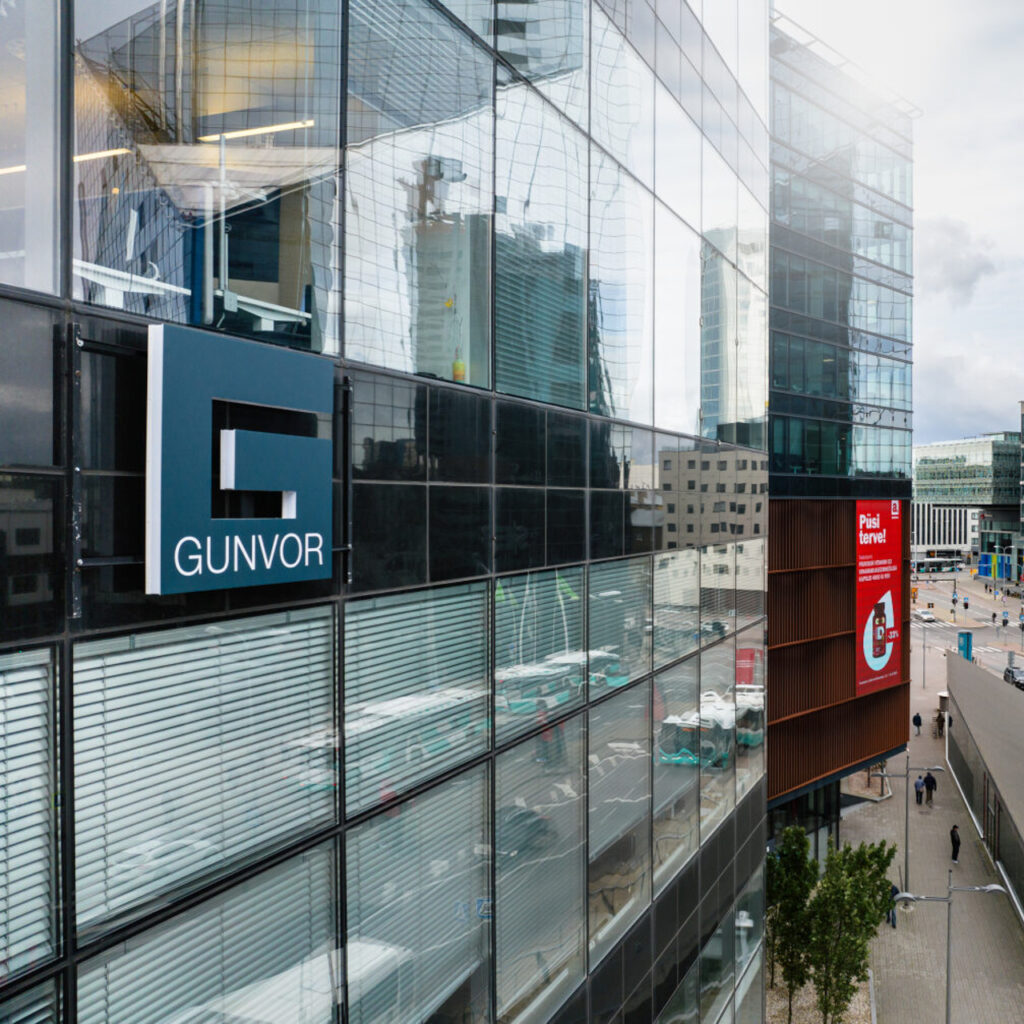
For the public and stakeholders, transparency remains the key to maintaining trust. While specific details regarding ongoing investigations are often protected by legal confidentiality, the expectation for corporate accountability in the Swiss commodities sector continues to grow. Interested parties can monitor official updates through the Swiss Federal Department of Justice and Police or the company’s own investor relations portal for future disclosures regarding governance and legal standing.
We invite our readers to join the conversation regarding the future of transparency in the energy sector. How should regulatory bodies balance the need for oversight with the complexities of international commodity trading? Please feel free to share your thoughts in the comments section below, and ensure you are subscribed to our newsletter for further updates on this developing story.