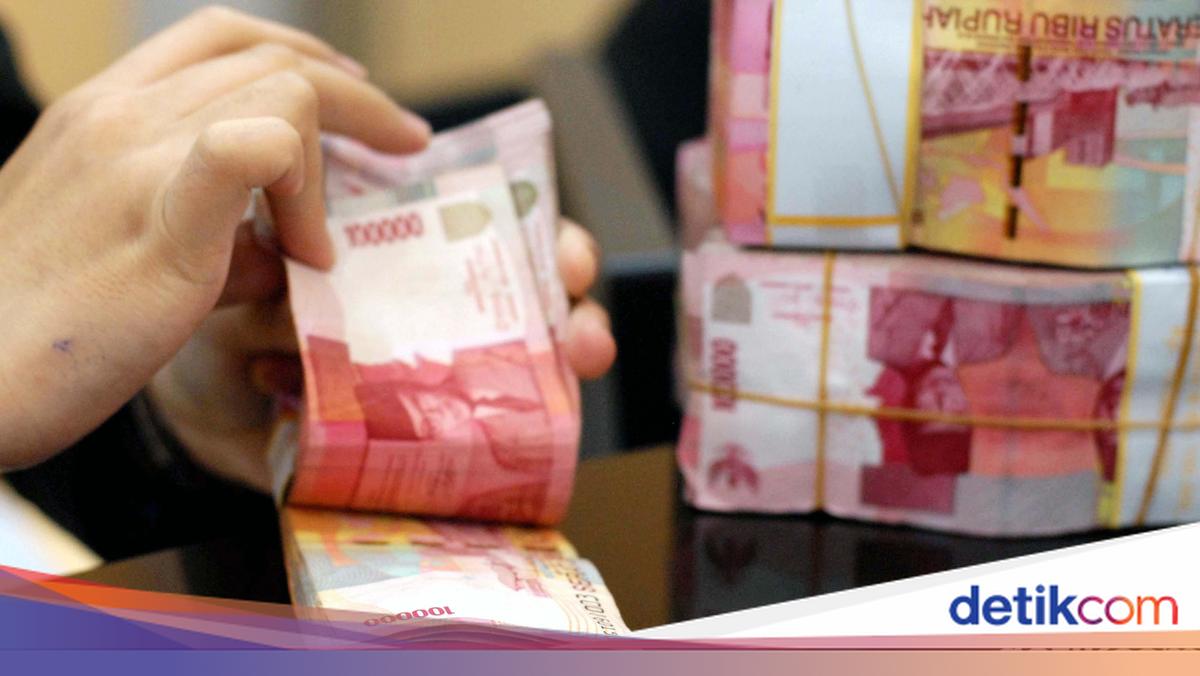
In the evolving landscape of Indonesia’s financial sector, a significant trend has emerged that warrants close attention from investors and policymakers alike: the accumulation of idle credit, or kredit mengendap. Recent data indicates that this figure has reached a notable threshold of Rp 2,527 trillion, sparking discussions among analysts and banking executives regarding the underlying causes of this liquidity stagnation and its broader implications for the national economy in 2026.
As the business editor at World Today Journal, I have spent nearly two decades observing how banking liquidity serves as the lifeblood of economic expansion. When capital remains “parked” within the banking system rather than flowing into productive business sectors, it often signals a misalignment between supply-side availability and demand-side appetite. Understanding why this capital is not being deployed requires an objective look at the current macroeconomic environment and the structural realities facing both lenders and borrowers.
Understanding the Mechanics of Idle Credit
The term kredit mengendap refers to approved credit lines or allocated capital that banks have set aside for lending but which remain unused by the intended borrowers. From a macroeconomic perspective, this is not merely a sign of bank inactivity. rather, it often reflects a broader “wait-and-see” approach adopted by the private sector. According to reports from the Financial Services Authority (OJK) of Indonesia, the monitoring of credit distribution remains a top priority to ensure that the intermediary function of the banking system is working efficiently to support national growth targets.

When businesses hold back on utilizing credit, it is frequently attributed to market uncertainty, shifting commodity prices, or a cautious outlook regarding consumer demand. For banks, this presents a unique challenge: they are maintaining the capacity to lend while interest income—a primary revenue driver—remains unrealized. This phenomenon underscores the necessity for a stable regulatory environment and clear fiscal policy to encourage firms to invest in expansion and operational scaling.
Why Capital Remains Stagnant
Several factors contribute to the current accumulation of idle credit. Primarily, business owners are navigating a global economic climate defined by fluctuating interest rates and geopolitical complexities. When firms perceive that the cost of capital outweighs the potential returns on new projects, they tend to defer borrowing. This behavior is a classic response to uncertainty, where capital preservation takes precedence over aggressive growth strategies.
large-scale infrastructure and corporate projects often follow a specific lifecycle. The timing of credit utilization is rarely linear; it is often tied to project milestones. As such, the Rp 2,527 trillion figure—while substantial—must be viewed through the lens of project cycles. Banks often allocate funds for long-term development, and the delay in drawdown can reflect the phased nature of corporate expenditure rather than a complete halt in economic activity. For those interested in the latest regulatory guidance on credit management, the Bank Indonesia official portal provides regular updates on monetary policies and banking sector performance indicators.
Economic Implications for 2026
The impact of high levels of idle credit on the 2026 economic outlook is a subject of intense debate. On one hand, the presence of these funds indicates that the banking system is well-capitalized and prepared to support a surge in economic activity once market conditions improve. This “dry powder” is an essential buffer that provides the financial system with resilience against unexpected shocks.
sustained stagnation in credit growth can dampen GDP projections. If the velocity of money remains slow, the multiplier effect—whereby initial investments stimulate secondary and tertiary business activities—is diminished. Policymakers are therefore focused on identifying structural bottlenecks that prevent this capital from reaching the real sector. Whether through targeted incentives or interest rate adjustments, the goal remains to bridge the gap between bank liquidity and private sector demand.
Key Factors Influencing Credit Utilization
- Market Sentiment: Investor confidence remains the primary driver of credit uptake.
- Interest Rate Environment: Borrowers continuously evaluate the long-term cost of debt against projected revenue growth.
- Project Timelines: Large-scale industrial and infrastructure developments naturally lead to lags between credit approval and fund disbursement.
- Regulatory Oversight: Ongoing monitoring by the OJK ensures that banks maintain healthy loan-to-deposit ratios while managing risk appropriately.
Moving Forward: The Path to Reinvestment
The narrative surrounding the Rp 2,527 trillion in idle credit is not necessarily one of crisis, but rather one of transition. As we move further into 2026, the focus will shift toward how efficiently this capital can be redeployed. Businesses are expected to re-engage with credit facilities as global market volatility stabilizes and clearer economic trajectories emerge. For the banking sector, the task is to maintain active communication with clients to identify and remove obstacles to project implementation.

As we continue to monitor these developments, I encourage our readers to look toward official statements from the OJK and Bank Indonesia for the most accurate, real-time assessments of the nation’s financial health. These institutions provide the definitive data sets that shape our understanding of liquidity and credit trends. We will be tracking the next quarterly banking performance reports closely to see if the trend of idle credit begins to reverse in the coming months.
What are your thoughts on the current state of credit distribution in the region? Are you seeing a shift in investment appetite within your industry? Please share your insights in the comments section below, and subscribe to our newsletter for more in-depth analysis on global market trends.
Related reading