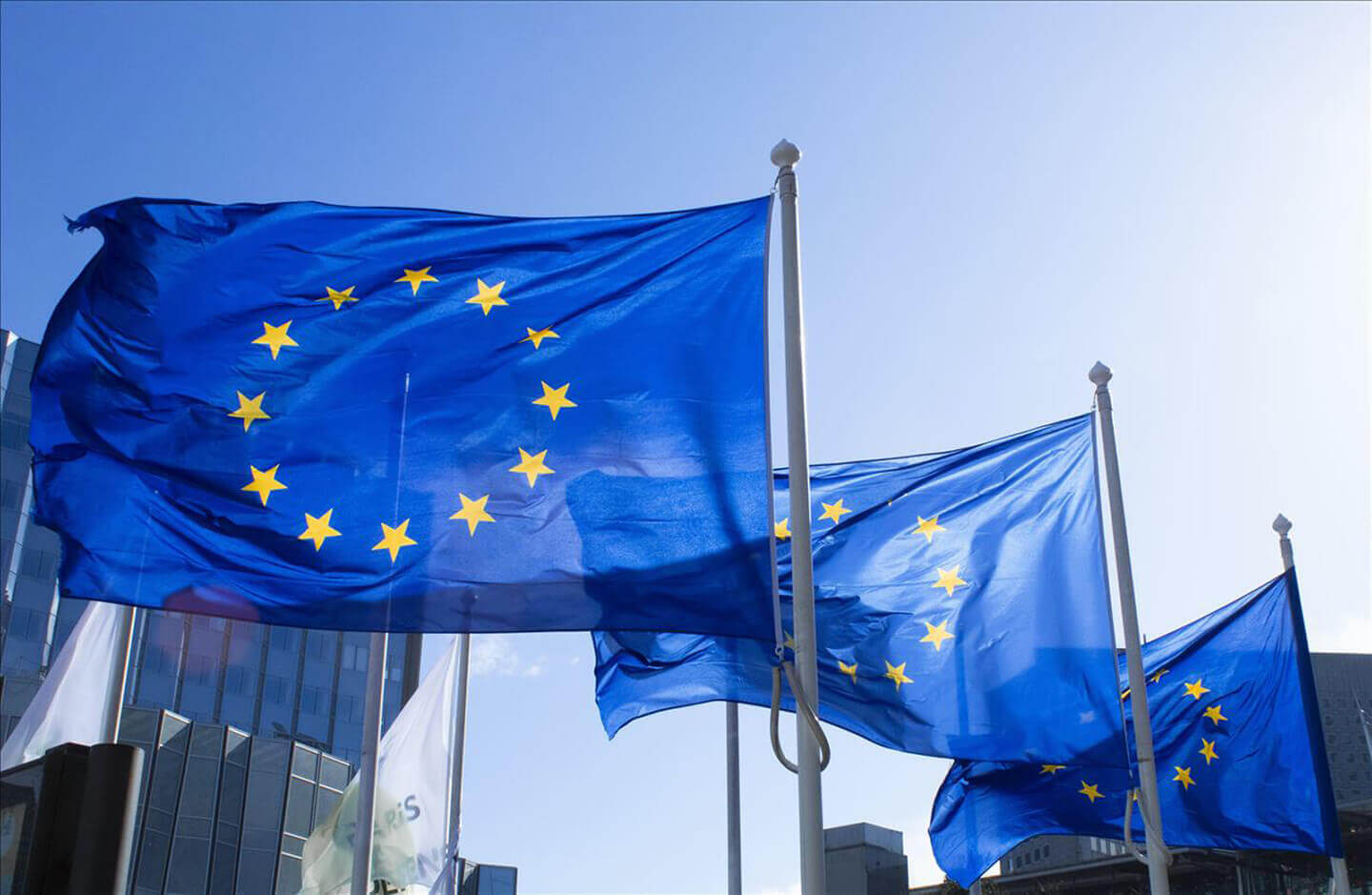
European Union member states are increasingly resisting new rounds of sanctions against Russia, as national governments grow wary of the economic fallout for their domestic industries. While the European Commission seeks to tighten the enforcement of existing measures and introduce new restrictions, internal divisions have emerged among the 27-member bloc regarding the potential impact on large, multinational corporations and national energy security.
According to reporting from Reuters, the friction centers on how to address the “circumvention” of sanctions without triggering a deeper recession or supply chain disruption within the European Union. Several capitals have signaled that they will block or significantly water down proposals that threaten to penalize EU-based firms for the actions of their foreign subsidiaries or third-party suppliers.
The Economic Friction Points
The core of the current diplomatic impasse lies in the tension between foreign policy objectives and industrial stability. As the European Commission prepares its 14th package of sanctions, officials in Brussels are under pressure to close loopholes that have allowed Russian entities to access restricted dual-use goods. However, representatives from major industrial nations have argued that overly broad measures could inadvertently punish European companies that have already attempted to divest from the Russian market.
Data from the European Council confirms that the EU has already implemented 13 packages of restrictive measures since February 2022. The current debate is not about lifting these sanctions, but rather about the legality and reach of “anti-circumvention” clauses. These clauses aim to make EU parent companies legally responsible for ensuring their subsidiaries in non-EU countries do not trade with Russia. German and French officials have, in separate instances, expressed concerns that such requirements could place an undue legal burden on companies operating in global markets, potentially impacting their competitiveness.
National Interests and Internal Dissent
The pushback is not uniform, but it is widespread enough to stall progress. Hungary, which has maintained a more critical stance toward EU sanctions policy, frequently highlights the potential for energy price volatility. Meanwhile, other nations with significant industrial footprints—notably those with large chemical, automotive, and logistics sectors—are quietly lobbying against provisions that could lead to widespread “exit taxes” or forced divestment penalties.
As noted by the Financial Times, the divide is also exacerbated by the differing levels of exposure each member state has to the Russian economy. While Baltic and Nordic nations often advocate for the most aggressive stance, countries with deeper historical commercial ties to Russia seek a more measured approach that prioritizes the health of their domestic labor markets. This divergence makes the unanimous voting required for new sanctions packages increasingly difficult to achieve.
The Path Toward the 14th Sanctions Package
What happens next in the legislative process depends on the ability of the Belgian presidency of the Council of the European Union to broker a compromise. Technical discussions are ongoing, with diplomats looking for a “middle path” that targets specific entities facilitating evasion without penalizing the broader European corporate sector.
The European Commission has suggested that the next package will likely focus on:
- Targeting the “shadow fleet” of tankers used to transport Russian oil in violation of the price cap.
- Restricting the access of Russian companies to specific software and industrial services.
- Strengthening the enforcement of export controls on dual-use technology.
The next major checkpoint for these discussions is the upcoming meeting of EU foreign ministers, where the political appetite for further escalation will be tested. For now, the European Union remains in a period of strategic recalibration, balancing the geopolitical necessity of pressure against the economic realities of its own member states. Readers can monitor official updates through the European Commission’s official press portal regarding ongoing restrictive measures.
This report will be updated as further details regarding the 14th sanctions package are released. We welcome your thoughts on the balance between economic security and foreign policy—please share your perspective in the comments section below.