
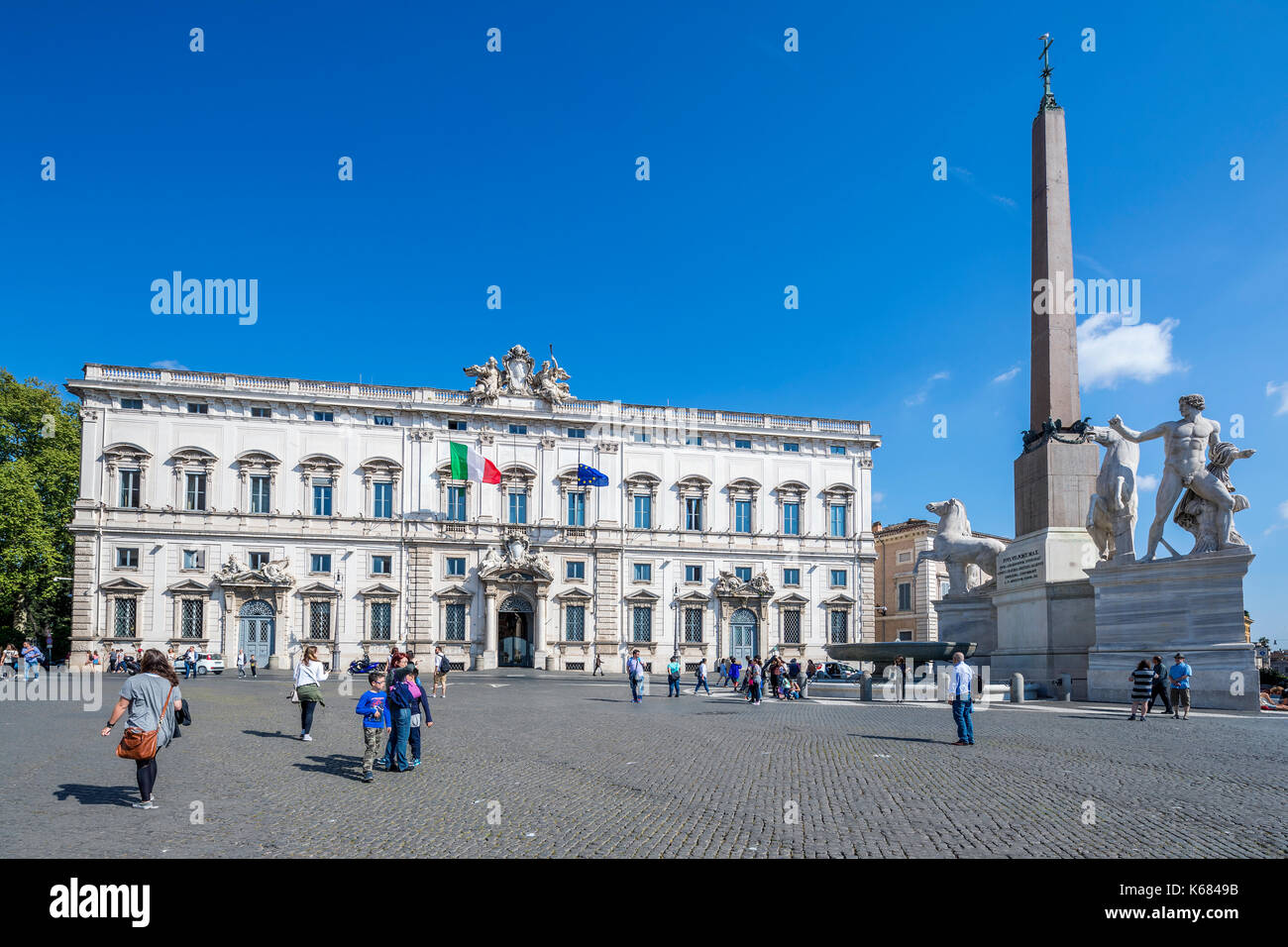
The cultural landscape of Italy frequently finds its most poignant expression in the heart of Rome, where history and modern artistry converge. A recent notable event, I volti della Repubblica, highlighted the intersection of national identity and performance art, bringing together prominent figures from the Italian cultural sphere. Hosted at the Piazza del Quirinale, the site of the official residence of the President of the Italian Republic, the event served as a high-profile celebration broadcast to a domestic and international audience.
The production featured a diverse array of artistic contributions, ranging from cinematic storytelling to classical musical arrangements. Among the notable participants was actress Paola Cortellesi, whose work often bridges the gap between popular entertainment and social commentary. Her involvement underscores the event’s intent to reflect contemporary Italian society through the lens of its most recognized creative voices. The broadcast, transmitted via Rai 1 and distributed through Eurovision, emphasized the role of public media in fostering a shared national narrative.
The Artistic Intersection of National Identity
At the center of the performance was the integration of classical music with modern interpretive arts. Roberto Bolle, the internationally acclaimed Italian dancer, contributed to the program, reinforcing the event’s emphasis on technical excellence and cultural prestige. The inclusion of the iconic Va, pensiero from Giuseppe Verdi’s opera Nabucco serves as a powerful thematic choice, given the piece’s historical significance as a symbol of Italian unification and resilience. By performing such a staple of the national repertoire within the institutional setting of the Quirinale, the organizers sought to link the aesthetic heritage of Italy with its current political and social framework.
The choice of venue—the Piazza del Quirinale—is inherently symbolic. As the seat of the Presidency of the Italian Republic, the location provides a backdrop that elevates artistic performance to an act of state-sanctioned cultural diplomacy. For a global audience, such broadcasts offer a window into how Italy manages the balance between its profound historical weight and its evolving modern identity. The production values and the scale of the distribution, facilitated by the European Broadcasting Union (EBU) network, underscore the importance placed on these displays of soft power.
Public Media and the Eurovision Connection
The role of Rai (Radiotelevisione italiana) in this event is consistent with its mandate to provide public service broadcasting that reflects the cultural life of the nation. By leveraging the Eurovision infrastructure, the event reached beyond the Italian borders, allowing for a broader dissemination of Italian performing arts. This mechanism is vital for maintaining cultural visibility in an increasingly competitive global media market. The collaboration between state institutions and public broadcasters ensures that such events are not merely entertainment but are documented as part of the formal national record.
For observers of Italian economic and cultural policy, these events provide insight into how the state allocates resources toward the promotion of the “Made in Italy” brand—not only in terms of goods and services but also in the export of cultural capital. The synergy between high-profile artists like Cortellesi and Bolle and the institutional gravitas of the Quirinale creates a narrative of stability and continuity, which remains a cornerstone of Italian public relations strategy.
Key Pillars of the Cultural Presentation
- Institutional Integration: Utilizing the Quirinale to frame cultural expression within the context of the Italian Republic.
- Classical and Contemporary Fusion: Pairing operatic traditions, such as Verdi’s compositions, with modern dance and acting performances.
- International Reach: Leveraging Eurovision distribution to amplify Italian cultural influence globally.
- Narrative Continuity: Utilizing national symbols to reinforce a sense of unity and historical depth.
Broader Implications for Italian Soft Power
The success of broadcasts like I volti della Repubblica often hinges on the ability to curate a lineup that resonates with a wide demographic. By featuring figures who are widely respected across different generations, the organizers ensure that the event remains relevant. This strategy is essential for public broadcasters that must appeal to a diverse tax-paying public while also satisfying international viewers who expect a high degree of artistic sophistication from Italian productions.
The economic impact of such events is difficult to quantify in immediate terms, yet they contribute significantly to the long-term value of Italy as a destination for tourism and investment. By showcasing a modern, vibrant and artistically rich nation, Italy reaffirms its position on the global stage. As the country continues to navigate the complexities of the 21st-century economy, these cultural touchstones serve as a reminder of the foundational values that underpin its social and political institutions.
Looking ahead, observers will continue to monitor how Italy utilizes these platforms to engage with pressing social issues. While I volti della Repubblica focused primarily on celebration and artistic reflection, the potential for such high-visibility forums to address contemporary challenges remains a subject of ongoing interest for analysts of European media and cultural policy. The next major institutional cultural events are expected to align with the official calendar of the Italian Presidency, often coinciding with national holidays or significant diplomatic summits.
We invite our readers to share their perspectives on the role of public broadcasting in defining national identity. How do you believe cultural performances influence your perception of a nation’s soft power? Join the conversation in the comments section below.