
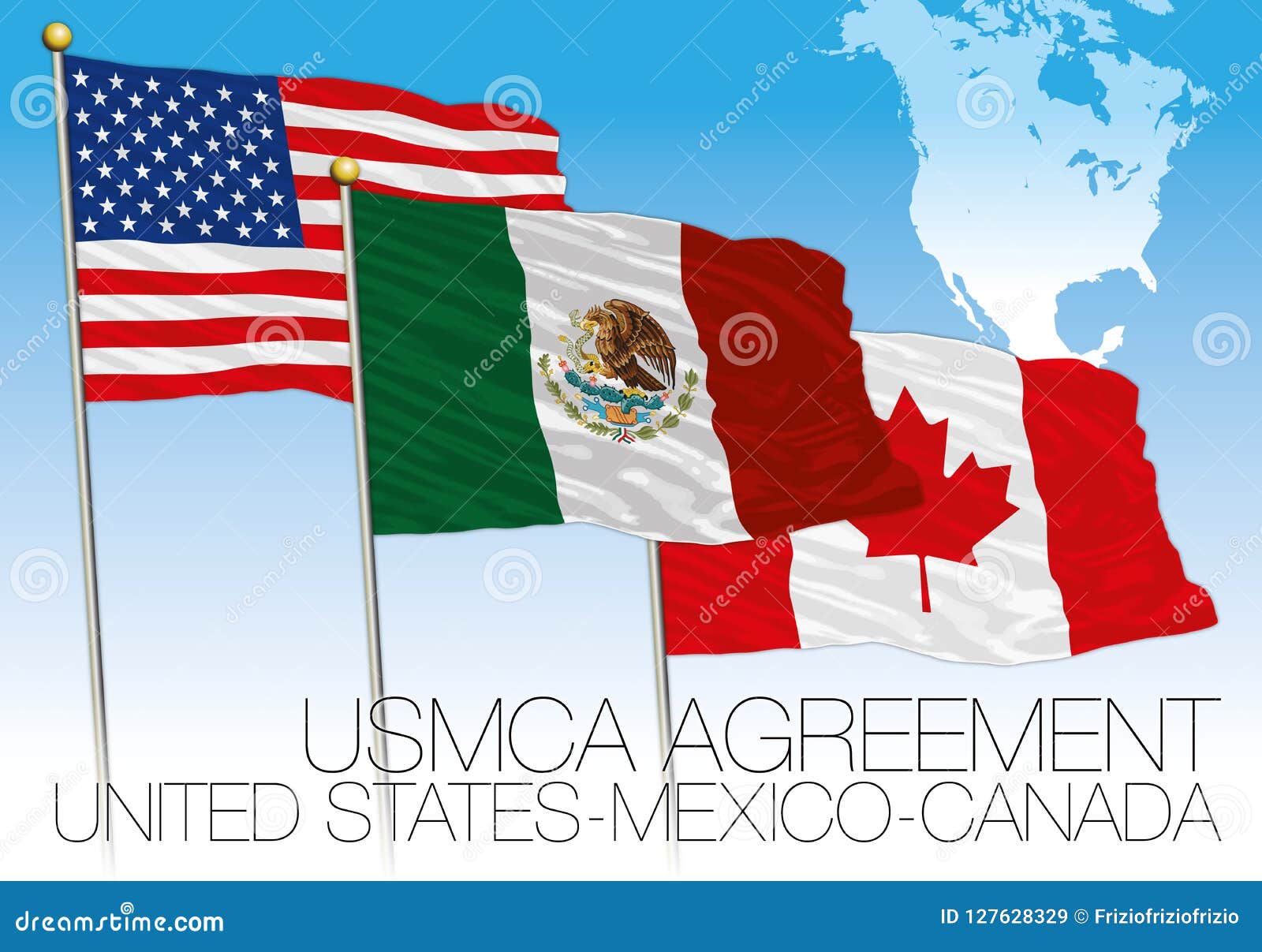
As the North American trade landscape continues to evolve, Mexico and Canada have formally signaled their intent to pursue an extension of the United States-Mexico-Canada Agreement (USMCA)—known in Spanish as the T-MEC—for an additional 16 years. This move, which comes ahead of the treaty’s scheduled 2026 review, highlights the commitment of the three member nations to maintaining the stability of a regional trade bloc that has served as a cornerstone of the North American economy since it replaced the North American Free Trade Agreement (NAFTA) in 2020.
The USMCA, which entered into force on July 1, 2020, was designed with a “sunset clause” requiring a joint review by the three parties every six years. According to the Office of the United States Trade Representative (USTR), this review process is intended to ensure the agreement remains relevant and effective in addressing contemporary challenges in manufacturing, labor standards, and digital commerce. The push for a 16-year extension serves as a proactive measure to provide regulatory certainty for industries ranging from automotive manufacturing to agriculture.
Understanding the USMCA Review Process
The current push to extend the agreement is grounded in the formal mechanisms established within the treaty’s text. Under the provisions of the USMCA, the parties are required to meet to discuss the status of the agreement and decide whether to extend its term. If the parties agree, the treaty can be extended for another 16-year cycle, effectively resetting the sunset clock. This mechanism is critical for multinational corporations and small-to-medium enterprises alike, as it prevents the uncertainty that would arise should the agreement expire without a clear path forward.

For Mexico, the importance of this trade relationship cannot be overstated. As a primary economic partner of the United States, Mexico’s manufacturing sector is deeply integrated into North American supply chains. The Secretaría de Economía (Ministry of Economy) frequently emphasizes that the T-MEC is not merely a tariff-reduction tool but a framework for regional competitiveness. By seeking an extension now, the Mexican government aims to insulate its economy from potential political volatility and ensure that foreign direct investment continues to flow into the country.
Strategic Implications for North American Trade
The trilateral nature of the agreement means that any extension requires consensus among Washington, Ottawa, and Mexico City. While the formal notification of intent to extend the agreement marks a significant milestone, the process involves rigorous diplomatic and technical discussions. These negotiations typically focus on resolving ongoing disputes—such as those involving energy policy, dairy market access, and labor enforcement—that have periodically strained relations between the partners.

The Government of Canada has also maintained a consistent stance regarding the importance of the agreement, often highlighting that the stability of the USMCA is vital to its own economic interests. For businesses operating across these borders, the prospect of a 16-year extension provides a reliable horizon for long-term capital expenditure and infrastructure planning.
Key Takeaways for Stakeholders
- Regulatory Stability: A 16-year extension would provide long-term predictability for businesses, reducing the risk associated with the treaty’s original sunset clause.
- Joint Review Protocol: The 2026 review is a mandatory procedural step under the USMCA, not an optional renegotiation, though it offers a window for updating certain technical aspects of the deal.
- Integrated Supply Chains: The agreement facilitates deep integration in sectors such as automotive, electronics, and agriculture, which rely on seamless cross-border movement of goods.
- Next Steps: Stakeholders should monitor official updates from the USTR, the Canadian Department of Global Affairs, and the Mexican Ministry of Economy for details on the scheduling of formal review meetings.
As the 2026 deadline approaches, the diplomatic focus will likely shift toward reconciling specific sectoral concerns. The U.S. Government, through the USTR, remains tasked with evaluating whether the agreement has met its objectives regarding labor rights, environmental protections, and fair market access for American producers. Simultaneously, Mexican and Canadian officials are expected to present data demonstrating the economic benefits of the agreement to their respective domestic audiences.
For those tracking these developments, official government portals remain the most reliable source for updates. The USTR enforcement page provides ongoing information regarding compliance and dispute settlement, which will be central to the upcoming review discussions. As negotiations proceed, we will continue to monitor the progress of these talks and their potential impact on regional trade policy.
What are your thoughts on the proposed extension of the USMCA? Does this move provide the certainty your business needs to invest in the North American market? Join the conversation below and share your perspective on the future of trade in the region.
Worth a look