
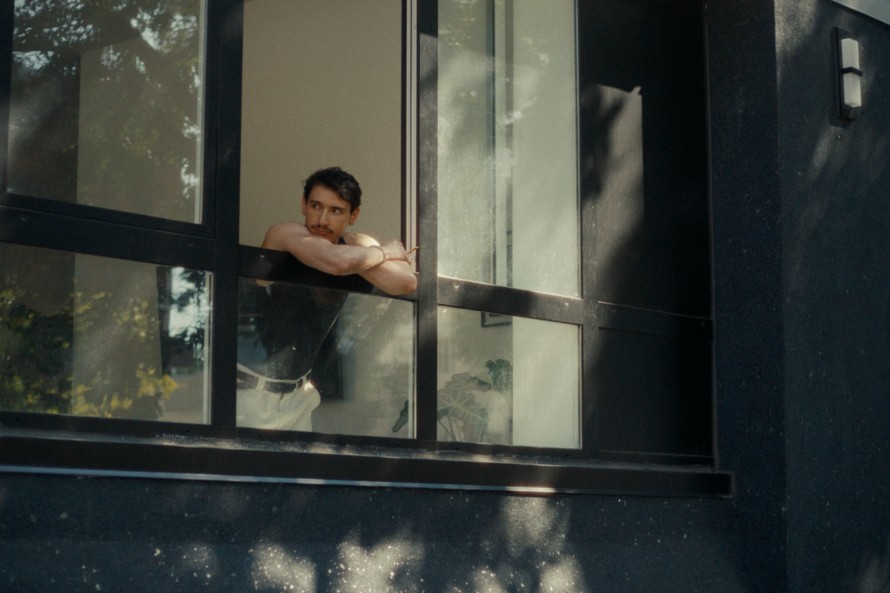
In the evolving landscape of contemporary queer cinema, the upcoming 2026 release Drunken Noodles stands out as a bold, experimental exploration of intimacy and memory. Directed by Argentinian filmmaker Lucio Castro—known for his distinctively fluid narrative style—the film promises to be a sensual odyssey that defies traditional storytelling structures. By weaving together elements of art, poetry, and spontaneous connection, Castro offers a meditation on how our past encounters shape our present identities.
The film follows Adnan, a graduate student who relocates to Brooklyn, New York, for a summer internship at a local art gallery. His journey begins in the mundane reality of a new apartment but quickly spirals into a reflective exploration of desire. As Adnan navigates a series of fleeting encounters, the film—much like the artistic process itself—prioritizes the spark of connection over the finality of a climax. For audiences looking for a nuanced take on the modern romantic experience, Drunken Noodles is poised to be a significant addition to the 2026 film slate.
The Art of Fluidity in Lucio Castro’s Vision
Lucio Castro has consistently demonstrated a mastery of shifting perspectives, and his latest work appears to be no exception. In Drunken Noodles, the director utilizes a mixed-media approach that incorporates embroidery, tableaux, and lyrical interludes to mirror the unpredictable nature of human attraction. By stepping away from the rigid structures of conventional romantic dramas, Castro allows the audience to experience the story as a series of impressions rather than a linear plot.

At the center of this narrative is actor Laith Khalifeh, who portrays Adnan with a quiet, soulful intensity. Khalifeh’s performance is essential to grounding the film’s more experimental sequences. As Adnan moves through Brooklyn, the film acts as a visual diary of his past and present, illustrating how each person he encounters leaves a permanent mark on his interior life. The film’s pacing is deliberate, inviting the viewer to linger on the beauty of the “in-between” moments—the build-up of desire and the lingering remnants of intimacy.
A Brooklyn Backdrop for Self-Discovery
Set against the backdrop of a Brooklyn summer, the film captures the specific energy of a city that has long served as a hub for artistic and personal transformation. For Adnan, the internship at a local gallery serves as both a professional pursuit and a catalyst for self-reflection. The juxtaposition of the art world with the raw, spontaneous nature of his personal life creates a compelling tension that carries the film forward.

The cinematography and set design play a crucial role in establishing the film’s atmosphere. By treating the environment as an extension of Adnan’s emotional state, Castro creates a world that feels both grounded and dreamlike. The film does not shy away from the casual nature of modern cruising, but rather frames it as a legitimate path toward understanding oneself. Rather than being depleted by these encounters, Adnan is enriched by them, emerging as both the observer and the observed—a living piece of art shaped by his experiences.
What to Expect from the 2026 Release
As we look toward the 2026 release schedule, Drunken Noodles is shaping up to be a standout title for independent film festivals and arthouse cinema enthusiasts. While specific distribution details and international release dates are still pending official confirmation from the production team, the film is already generating buzz for its unique aesthetic and thematic depth. Readers interested in the latest updates regarding festival premieres or theatrical windows should monitor official announcements from the production house or reputable industry trackers like Variety for the most accurate scheduling information.
The film’s focus on the intersection of art and sexual identity aligns with a growing movement in international cinema that prioritizes character-driven, experimental storytelling. By challenging the traditional “result-oriented” narrative arc, Castro invites the audience to find value in the process of discovery. Whether through the lens of poetry or the tactile nature of embroidery, the film asserts that intimacy is found in the casual, the spontaneous, and the seemingly insignificant details of our daily lives.
Key Themes and Narrative Style
For those familiar with Castro’s previous work, the shift toward a more mixed-media approach in Drunken Noodles represents a natural evolution of his directorial voice. Key elements of the film include:

- Narrative Fluidity: A structure that moves seamlessly between memory and reality, reflecting the way we process past relationships.
- Visual Experimentation: The use of non-traditional media, such as embroidery and poetic interludes, to heighten the sensory experience of the film.
- Passive Protagonism: By framing Adnan as a participant who allows life to “carry him off,” Castro explores the beauty of surrender and openness to experience.
- The Casual as Romantic: A firm stance that casual encounters hold their own form of romantic weight and lasting emotional impact.
As the industry moves closer to the 2026 calendar year, we anticipate further insights into the film’s production journey and its eventual debut. The film’s ability to weave the personal with the abstract suggests it will be a major topic of conversation for critics and audiences alike. We encourage our readers to share their thoughts on the evolution of queer cinema and the role of experimental storytelling in modern film. Keep an eye on our entertainment section for future updates as more information becomes available.
As of the most recent industry reports, the film remains in post-production. Audiences are encouraged to follow official social media channels for the project to receive updates on potential festival submissions and release announcements in the coming months. What are your thoughts on this new direction in contemporary cinema? Let us know in the comments below or join the conversation on our social platforms.