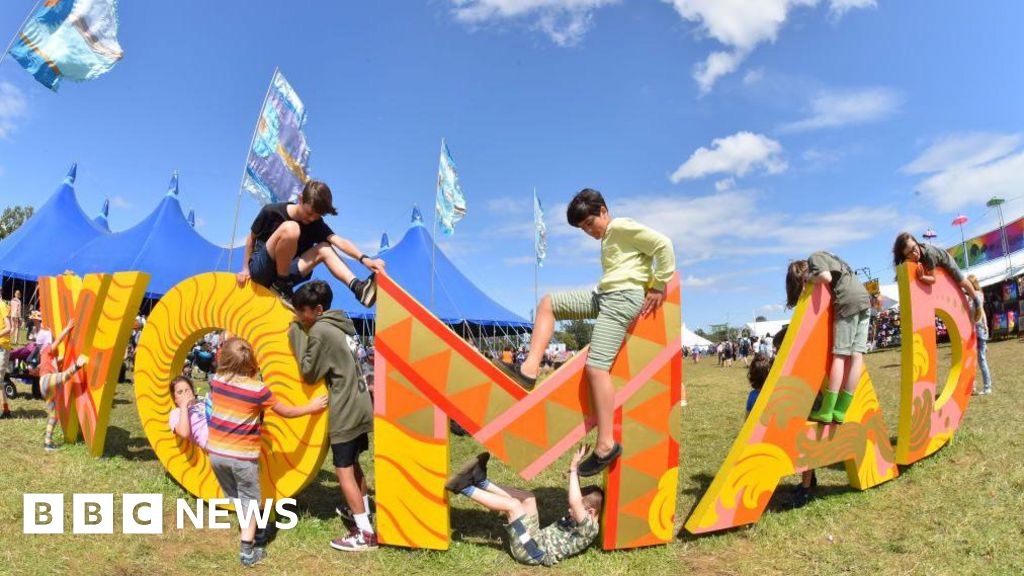
The landscape of the Scottish live music scene faced a significant setback this week as organizers confirmed the cancellation of the inaugural WOMAD Glasgow festival. Originally slated to bring the world-renowned celebration of music, arts and dance to the city this summer, the event has been scrapped due to lower-than-anticipated ticket sales. The decision marks a disappointing turn for fans who had been eagerly awaiting the arrival of the festival in Scotland for the first time.
For those who follow the global festival circuit, WOMAD—founded by Peter Gabriel and his collaborators in 1982—is a cultural institution, celebrated for its eclectic curation of international artists. The Glasgow edition was scheduled to take place on July 3 and 4, aiming to build on the brand’s legacy of cross-cultural exchange. However, the current economic climate and the tightening of consumer discretionary spending have proven to be formidable hurdles for large-scale event production in the UK. According to reports from BBC News, the organizers cited the challenging financial environment as a primary driver for the cancellation, noting that the event was not commercially viable under the current projections.
The Challenges of Scaling International Festivals
Bringing a festival of WOMAD’s scale to a new city is an ambitious undertaking that requires significant upfront capital. When an organization like WOMAD, which has successfully established roots in locations like Charlton Park in Wiltshire, attempts to expand, it must navigate complex logistical landscapes and localized market preferences. In the case of Glasgow, the organizers faced the difficult reality that the pre-sale and general ticket interest did not meet the thresholds required to guarantee a sustainable production.
The UK festival market has seen a wave of volatility in recent years. Rising costs for infrastructure, security, and artist logistics—compounded by the ongoing cost-of-living crisis—have created a precarious environment for promoters. Industry analysts often point to the “festival fatigue” phenomenon, where a saturated summer calendar makes it increasingly difficult for new or imported festivals to capture the attention of a local audience that is already managing a limited entertainment budget. As noted by the Association of Independent Festivals, the industry continues to advocate for government support to mitigate these high operational risks, which have led to a notable number of cancellations across the country in recent seasons.
What So for Ticket Holders
For the individuals who had already purchased tickets for the July dates in Glasgow, the immediate priority is the refund process. Organizers typically provide direct communication to ticket holders via the platforms used for the original transaction. It is standard industry practice for primary ticketing agents to issue automatic refunds to the original payment method, though this process can sometimes take several business days to reflect in personal bank accounts.

If you are a ticket holder and have not yet received a notification, it is recommended to check the official WOMAD website or the specific point-of-purchase portal. Keeping an eye on the official channels is the safest way to avoid third-party phishing attempts that often follow high-profile event cancellations. As the situation develops, fans are encouraged to monitor the festival’s official social media pages for any further guidance regarding future attempts to bring the event to Scotland.
The Cultural Impact of Lost Events
Beyond the immediate disappointment for music lovers, the cancellation of a high-profile event like WOMAD Glasgow represents a missed opportunity for the local creative economy. Festivals of this nature are not merely musical performances. they act as catalysts for tourism, local hospitality engagement, and cultural visibility. When a festival is withdrawn from a city’s calendar, the ripple effect is felt by vendors, local artists, and the hospitality sector that relies on the influx of visitors over the summer months.
However, the global festival brand remains resilient. With established events continuing to thrive in other parts of the world, the focus for the organizers likely shifts toward stabilizing their core assets. The decision to pull the plug in Glasgow, while difficult, is a pragmatic move to protect the long-term health of the wider organization, ensuring that the brand remains solvent and capable of producing future events without the weight of a deficit-heavy launch.
Looking Ahead
As of now, there have been no further announcements regarding potential rescheduling or alternative dates for a Scottish edition of the festival. The organizers have remained focused on the immediate administrative tasks surrounding the cancellation, including the processing of refunds and the notification of contracted artists and staff.
For the latest updates, attendees should continue to consult the official WOMAD website, which serves as the definitive source for all event-related communications. While the Glasgow chapter has come to an abrupt close, the broader international festival community remains a vibrant space for global music, and fans will undoubtedly be watching to see how the organization navigates its future expansion strategies in the wake of this development.
Have you been affected by recent festival cancellations, or were you looking forward to seeing a specific act in Glasgow? Share your thoughts in the comments below, and stay tuned to World Today Journal for further developments in the music and entertainment industry.
Related reading