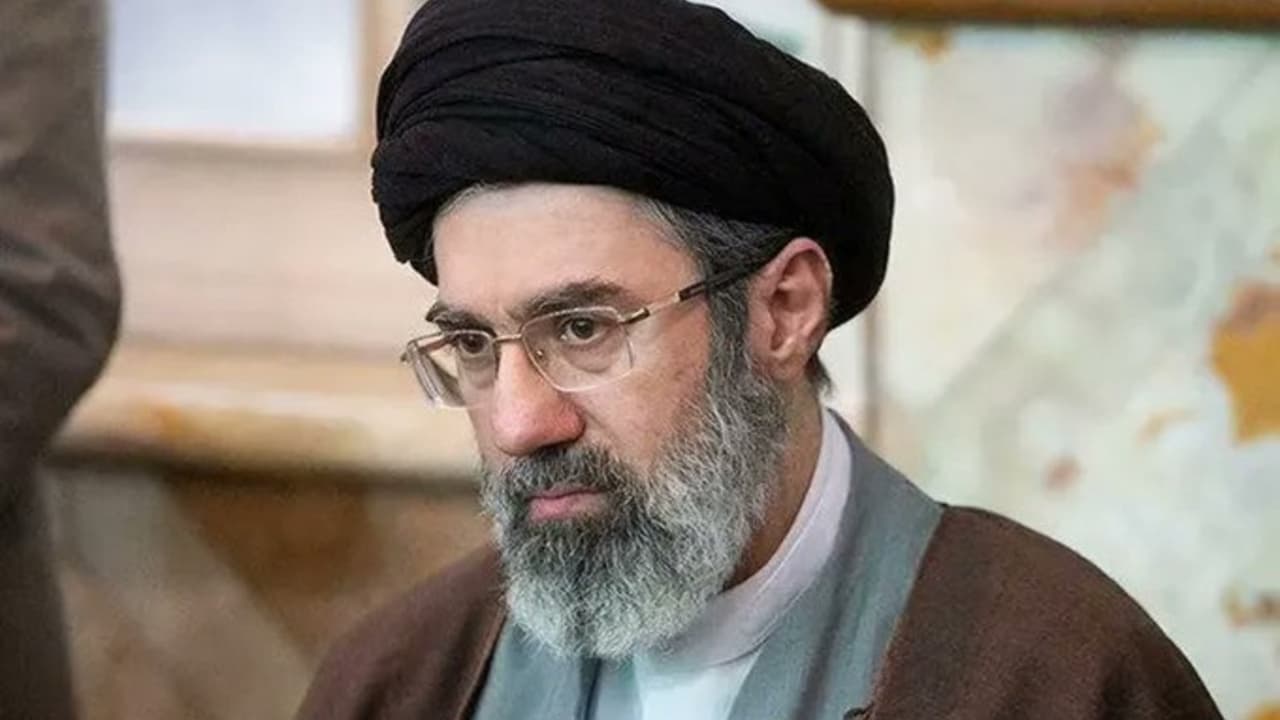
As diplomatic channels between Washington and Tehran navigate a period of intense volatility, observers in the United States are closely monitoring shifts within the Iranian leadership hierarchy. Reports from high-level U.S. Officials, including Senator Marco Rubio, suggest that Mojtaba Khamenei—the son of the Iranian Supreme Leader—is demonstrating an increasingly active role in the country’s high-stakes negotiations with the United States.
This development comes against a backdrop of ongoing regional tensions, characterized by a series of ballistic missile launches, U.S.-led interceptions and a broader strategic impasse. While the geopolitical landscape remains fluid, the perceived elevation of Mojtaba Khamenei’s involvement in diplomatic discourse marks a notable pivot in the visibility of the Iranian governing structure at a time when the nation faces significant internal and external pressures.
The Evolving Diplomatic Landscape
The current state of U.S.-Iran relations remains defined by a complex interplay of military posturing and tentative, albeit strained, diplomatic contact. Following the announcement of major combat operations by President Donald Trump on February 28, 2026, the region has experienced an uneasy cycle of escalation and declared de-escalation periods. Efforts to secure a lasting peace deal have faced significant hurdles, most notably during the failed initial talks held in Pakistan this past April, as reported by ABC News.
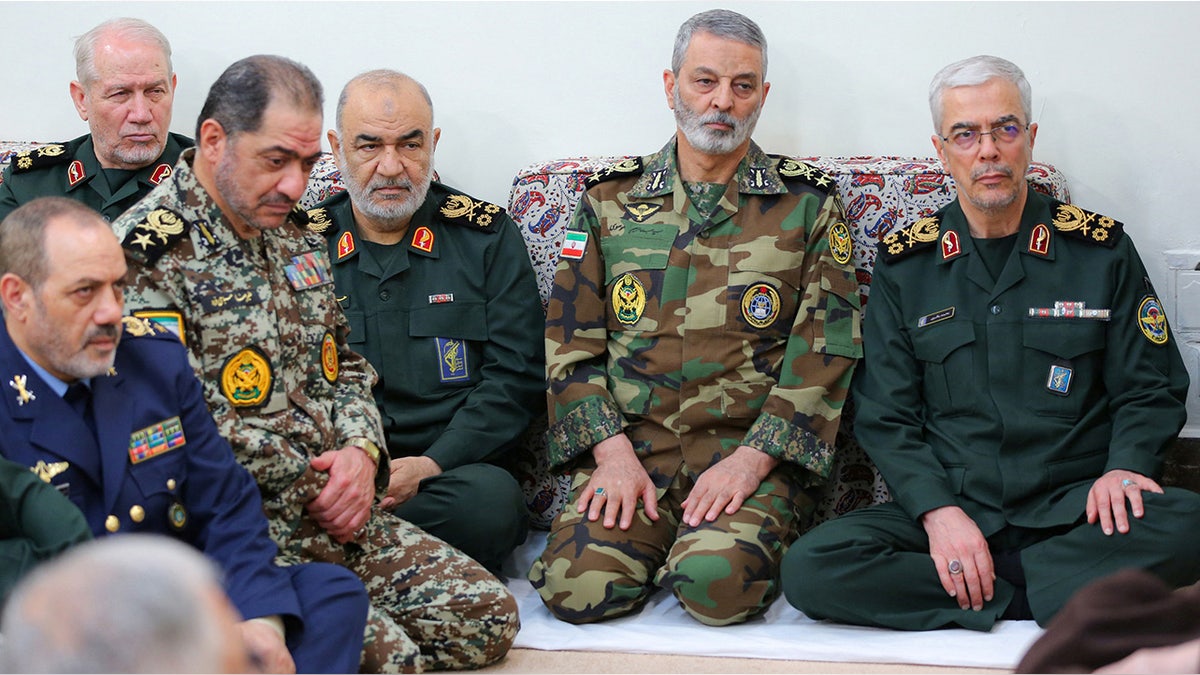
Despite the lack of a formal agreement, communication channels have not been severed. Recent updates indicate that negotiations continued into the current week, with U.S. Officials noting that the details of any potential nuclear arrangement would require extensive future deliberation. The involvement of Mojtaba Khamenei in these processes, as highlighted by U.S. Analysts, is being scrutinized for what it might signal about the succession planning or the current decision-making capacity within the Islamic Republic.
Military Tensions and Regional Security
The diplomatic maneuvering occurs while military tensions continue to flare. On June 2, 2026, U.S. Central Command (CENTCOM) reported that U.S. Forces conducted “self-defense” strikes on Qeshm Island following attempted attacks by Iranian forces. According to CENTCOM, Iran launched several ballistic missiles toward regional neighbors, though none reached their intended targets. U.S. And Bahraini air defense systems successfully intercepted three missiles fired toward Bahrain, while two missiles directed at Kuwait failed to reach their destination.
U.S. Forces engaged in defensive actions against multiple attack drones launched by Iran, which the U.S. Military stated were aimed at civilian mariners transiting regional waters. These incidents underscore the high-risk environment in which the current diplomatic negotiations are taking place, as both nations balance the pursuit of a potential deal with the exigencies of an active regional conflict.
What Lies Ahead
The international community remains in a holding pattern as the U.S. Maintains an open-ended blockade on Iran, a policy President Trump indicated would persist until negotiations are concluded “one way or the other.” The role of figures like Mojtaba Khamenei will likely remain a focal point for intelligence analysts seeking to understand the durability and direction of the Iranian government’s current stance.
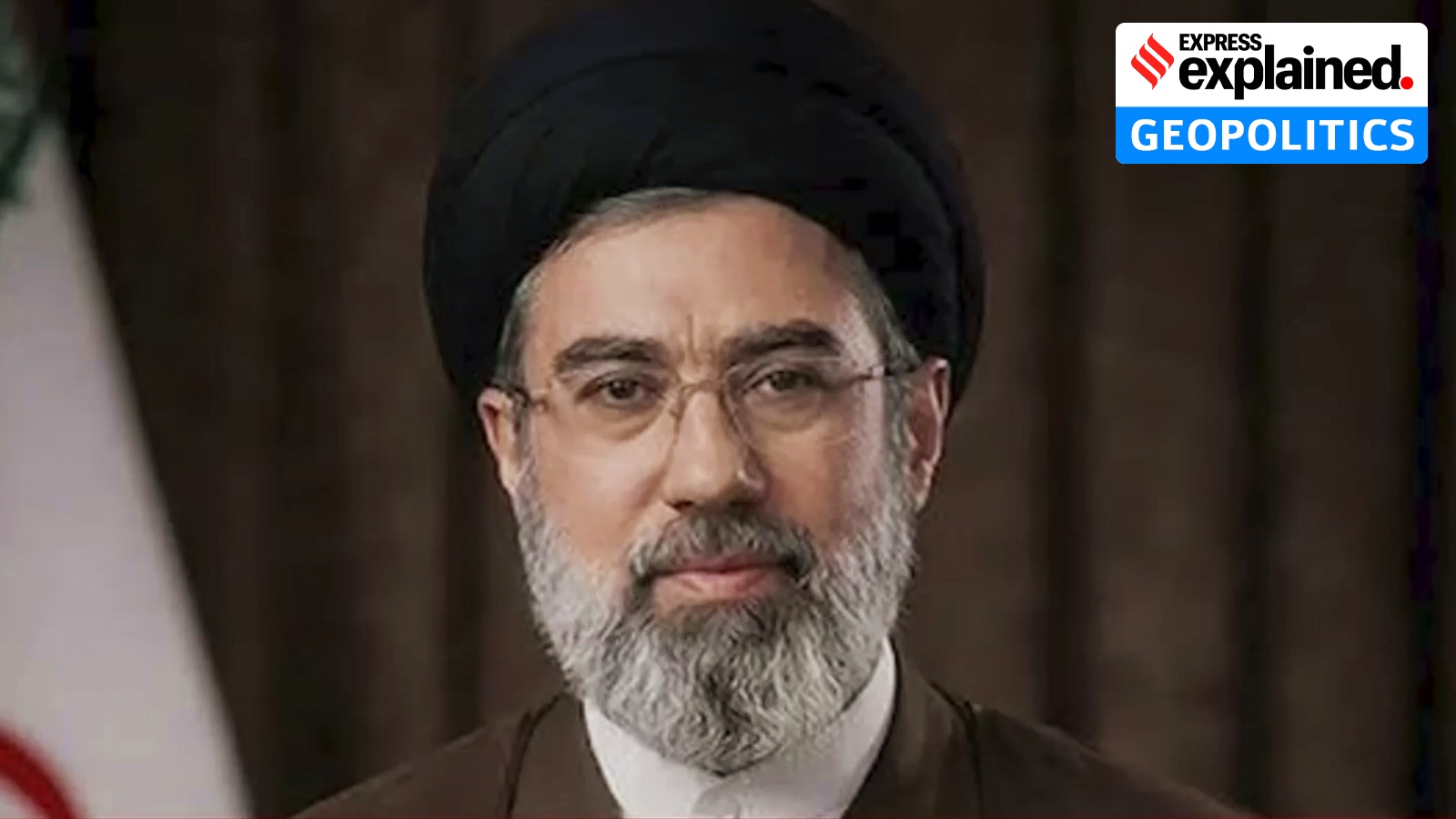
The situation remains highly dynamic. As talks continue, the focus for the coming days will be on whether these diplomatic efforts can translate into a stable ceasefire or a substantive agreement that addresses the primary concerns of both the United States and Iran. For now, the world watches as Washington and Tehran navigate a precarious path, with the leadership of both nations under intense scrutiny to see if they can move beyond the current deadlock.
As this story develops, we invite our readers to share their perspectives on the shifting dynamics in the Middle East. Stay tuned to our World Today Journal coverage for further updates as official statements and verified reports become available.
Worth a look