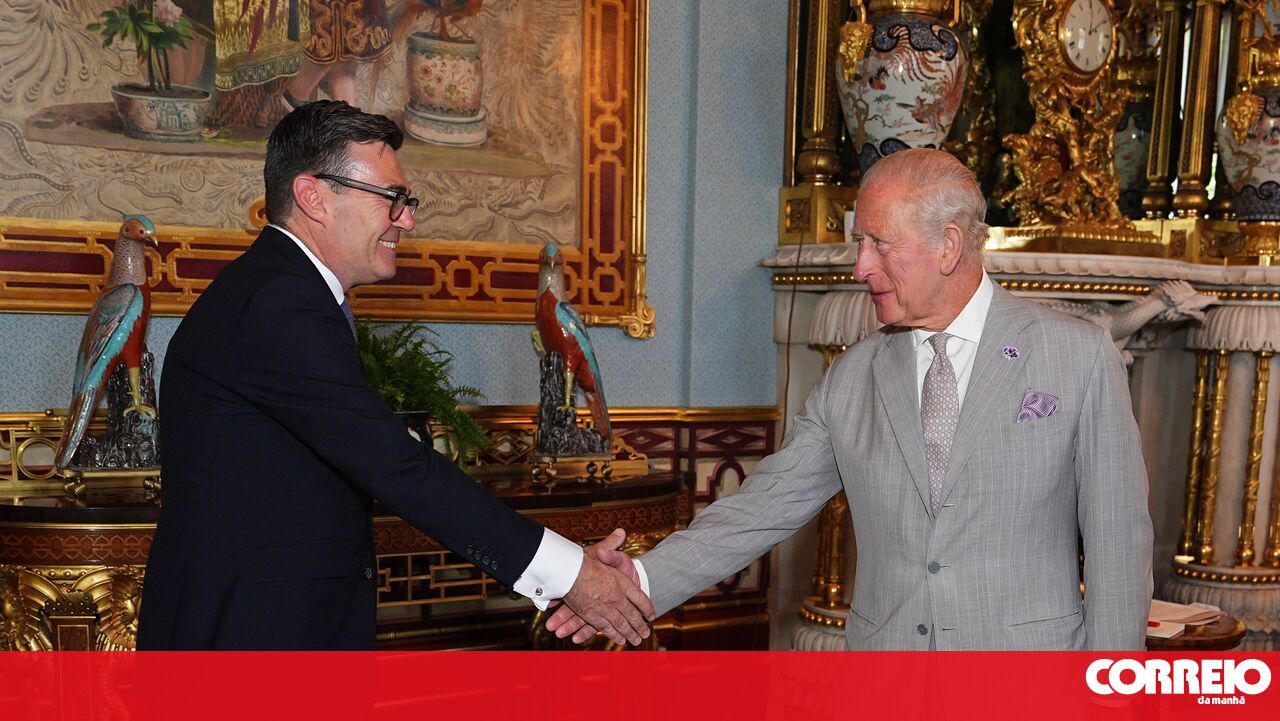
Andy Burnham has emerged as the new Prime Minister of the United Kingdom, succeeding Keir Starmer following a significant transition in leadership.
The transition follows a period of heightened political volatility in the United Kingdom, which has seen seven prime ministers in the span of a single decade. This recurring instability, largely attributed to the long-term economic and social repercussions of Brexit, has left voters seeking a more stable and decisive hand in governance, according to reporting on the decade of political turnover.
A New Direction for the Labour Party
Andy Burnham, known for his regional political background and distinct communication style, has been positioned by the Labour Party as an “outsider” figure capable of bridging the gap between traditional party bases and voters drawn to populist rhetoric. His leadership strategy, often described by observers as a form of “pro-market socialism,” aims to implement a “circuit-breaker” for the UK economy, prioritizing regional investment and structural reform over conventional austerity measures or radical shifts in trade policy.
The selection of Burnham is widely viewed as a tactical maneuver to mitigate the influence of populist movements that have gained ground in the UK, particularly in regions that have felt economically marginalized.
Personal Background and Political Style
Beyond his policy platform, Burnham’s personal profile represents a departure from the typical Westminster archetype. He is a practicing Catholic and a dedicated supporter of the Everton Football Club—a detail he has famously emphasized, noting his priorities are “Everton and Catholic, in that order.” This emphasis on his roots in the North of England is central to his public persona, designed to project reliability and a grounded perspective in a political environment often criticized for being detached from the lives of ordinary citizens, as noted by biographical profiles of the new Prime Minister.

The transition is expected to be finalized through the formal appointment process, with the new administration scheduled to outline its immediate legislative priorities in the coming weeks.
The Challenges of a Post-Brexit Landscape
The primary hurdle for the new government remains the enduring impact of Brexit on the British economy. The “circuit-breaker” approach proposed by the new leadership seeks to inject capital into regional infrastructure, attempting to stimulate growth where it has lagged since the 2016 referendum.
As the government prepares for its first parliamentary session under the new leadership, observers are closely monitoring whether this change will result in a sustained period of political continuity.
Official updates regarding the formation of the new cabinet and the government’s initial legislative agenda are expected to be released via the official UK government portal in the coming days. We invite our readers to share their views on this transition in the comments section below.
Worth a look