
As the global sporting calendar shifts its gaze toward major football tournaments, the atmosphere in European hospitality hubs undergoes a palpable transformation. From the bustling coastal towns of Sweden to the historic squares of Lisbon, the “folkfest”—a traditional term for a public celebration—becomes the heartbeat of the summer. For venue owners, this period represents a complex operational challenge, balancing the high demand for late-night service with local licensing regulations and public safety requirements.
The phenomenon of hosting large-scale screenings for the FIFA World Cup or European Championships creates a unique intersection between sports culture and the hospitality industry. In many regions, the ability to serve patrons during early morning or late-night matches hinges on specific municipal permits. These temporary adjustments to operating hours are not merely business decisions; they are carefully negotiated agreements between local entrepreneurs and municipal authorities, ensuring that the passion for the game does not compromise public order or noise ordinances.
For fans, the draw of these venues is clear: the collective experience of watching a match on a large-format screen elevates a solitary viewing into a communal event. As the tournament progresses, the demand for these “blågul” (blue and yellow) festive environments—often referencing the colors of the Swedish national team—tends to peak, necessitating detailed planning by restaurant managers to manage capacity, inventory, and staffing levels effectively.
Navigating Licensing and Operational Challenges
The logistical reality of hosting international football matches often involves overcoming significant regulatory hurdles. In Sweden, as in many other jurisdictions, alcohol service and operating hours are governed by the Swedish Alcohol Act (Alkohollagen), which mandates strict adherence to licensing conditions. When a venue wishes to extend its hours to accommodate matches played in different time zones, they must often apply for a temporary extension from the local municipality.

These applications are evaluated based on several criteria, including the venue’s ability to maintain a safe environment and the potential impact on the surrounding neighborhood. According to the Public Health Agency of Sweden, which provides guidelines for the enforcement of these laws, municipalities hold the primary responsibility for granting or denying these extensions. The process underscores the necessity for restaurant owners to engage with local government long before the opening whistle of the tournament.
The financial stakes are equally significant. A successful tournament can account for a substantial percentage of a venue’s annual revenue. Beyond the sale of food and beverages, the “football menu”—often featuring themed dishes or promotional pricing—serves as a tool for brand loyalty. Yet, the investment in high-definition audiovisual equipment and the licensing fees for public broadcast rights represent substantial upfront costs that require meticulous financial oversight.
The Evolution of the Fan Experience
The modern “folkfest” has evolved significantly over the past decade. While the traditional local tavern remains a staple, the integration of technology has transformed how fans interact with the sport. High-definition (HD) large-scale screens and advanced sound systems are now baseline expectations for any venue aiming to attract a serious football crowd. This digital shift has also increased the importance of reliable infrastructure, as connectivity and power stability become critical during high-traffic events.
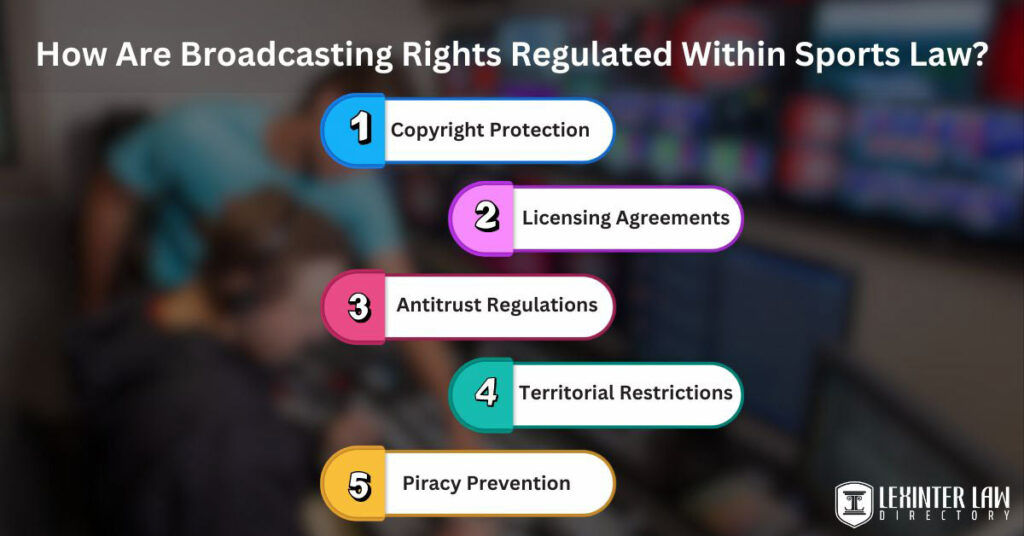
the social dynamic of these gatherings has changed. Modern venues are increasingly focusing on inclusivity, creating family-friendly environments that cater to a broader demographic. This shift is reflected in the diverse marketing strategies employed by venue owners, who now use social media to provide real-time updates on table availability and match-day specials. The FIFA broadcasting guidelines also play a role, as venues must ensure they hold the appropriate commercial licenses to display matches to the public, a legal requirement that protects the integrity of the tournament’s global media rights.
Economic Impact and Community Engagement
The economic ripple effects of these football festivals extend beyond the hospitality sector. Local tourism, transportation services, and retail businesses often see a surge in activity during tournament months. In smaller towns, the presence of a “central hub” for watching the game can boost the local economy and strengthen community bonds. As noted by industry analysts, the “multiplier effect” of these gatherings is a key driver for local investment in urban spaces.
However, the burden of responsibility remains with the venue operators. Managing large, enthusiastic crowds requires professional security and a commitment to responsible service. The balance between fostering a festive atmosphere and maintaining a safe, compliant space is the hallmark of a successful establishment. As we look toward future tournaments, the collaboration between venue owners, local law enforcement, and municipal planners will continue to be the cornerstone of these celebrations.
Key Considerations for Venue Operations
- Regulatory Compliance: Always consult the latest municipal updates regarding temporary extensions of operating hours and alcohol service licenses.
- Broadcasting Rights: Ensure that your venue has the verified commercial broadcast license required for public screenings of FIFA or UEFA-sanctioned matches.
- Safety and Security: Maintain appropriate staffing levels to manage crowd control and ensure compliance with fire safety and capacity limits.
- Community Relations: Proactive communication with neighbors regarding potential noise levels can mitigate disputes and foster long-term community support.
As the next major tournament cycle approaches, fans and venue operators alike are preparing for the familiar rhythm of the game. Whether It’s a late-night broadcast or a mid-day kick-off, the spirit of the sport remains a powerful catalyst for gathering and celebration. For those looking to stay updated on the latest tournament developments, the official FIFA website remains the most authoritative source for match schedules and official broadcast information.
We invite you to share your experiences of how your local community celebrates these major football events in the comments section below. Your insights help us better understand the global culture of the beautiful game.
Keep reading