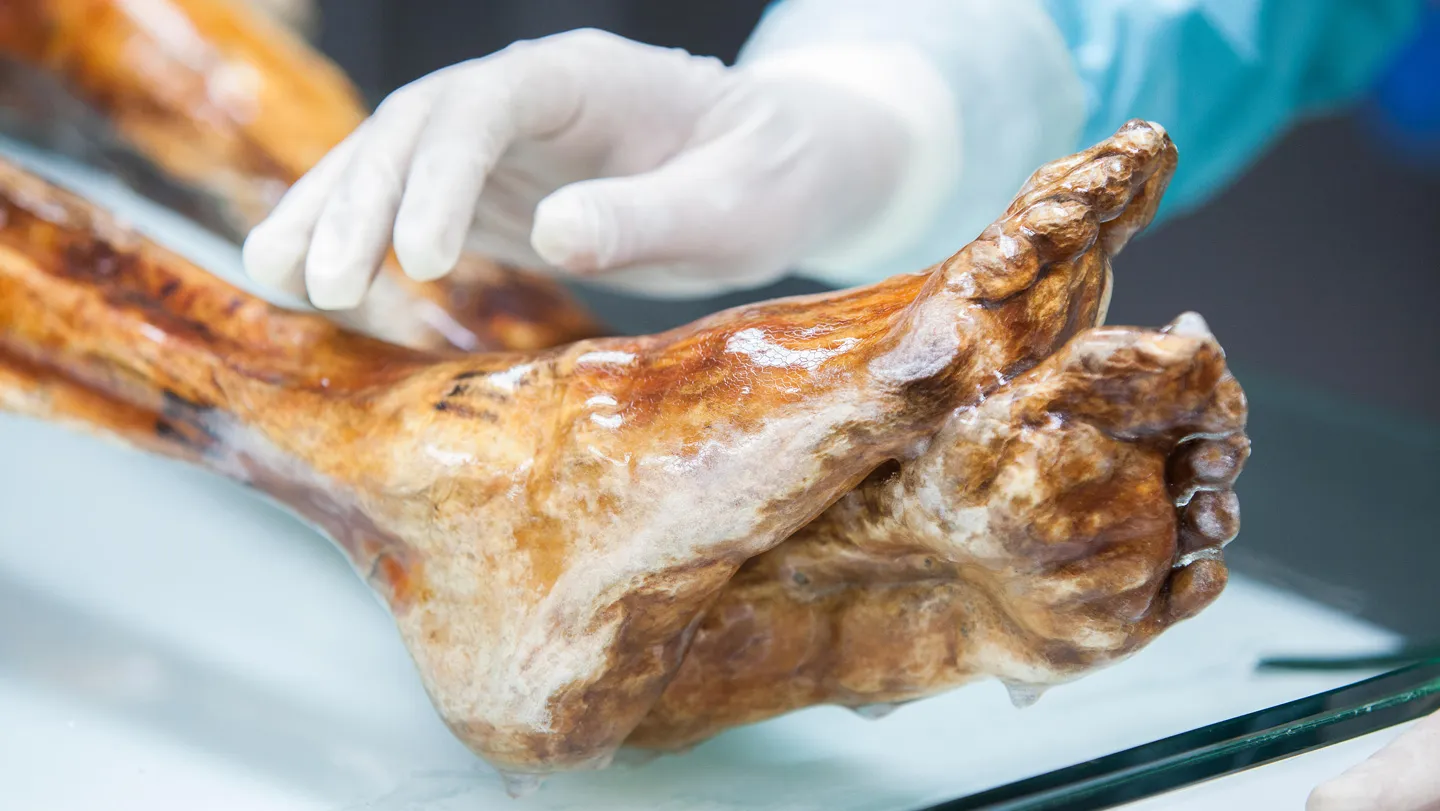
As a physician, I have always been fascinated by how the past informs our understanding of human health. When we look at ancient specimens, we are not merely observing history; we are examining a biological archive. Recent scientific investigations have shed new light on Ötzi the Iceman’s remains, revealing that the 5,300-year-old mummy still harbors a complex microbial ecosystem, including viable yeasts that have survived in the glacial environment for millennia.
The discovery, led by researchers at Eurac Research in Italy, provides an unprecedented window into the gut flora and environmental microorganisms associated with a Copper Age human. This research challenges our previous assumptions about how long a microbiome can remain preserved within such a unique, cold-adapted state.
A Journey Through Time: The Discovery of the Iceman
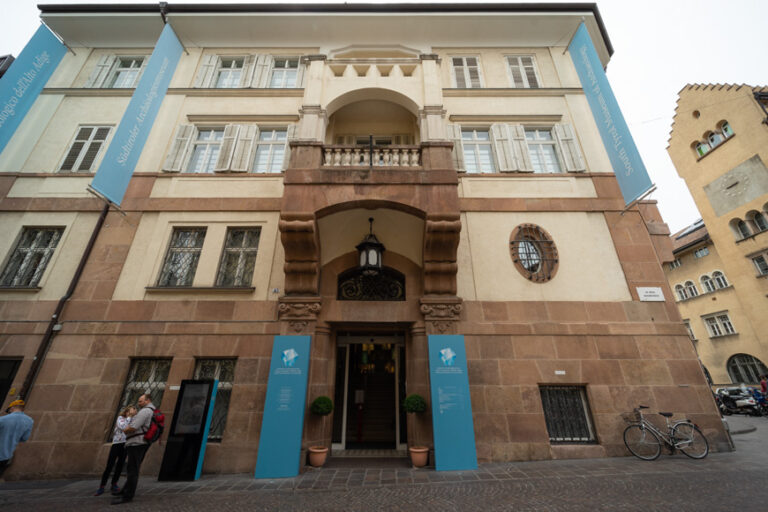
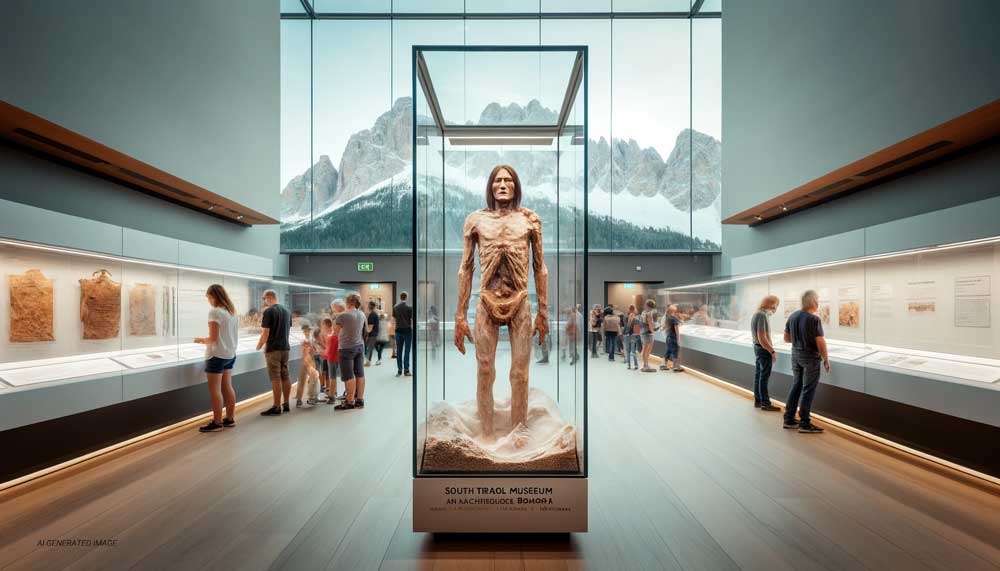
To understand the significance of these microbial findings, we must first look at the context of the discovery. Ötzi, a man who lived between 3350 and 3105 BC, was discovered on September 19, 1991, by tourists Helmut and Erika Simon. He was found at an elevation of 3,210 meters in the Ötztal Alps, near the Tisenjoch pass on the border between Austria and Italy. Since his recovery, he has been held at the South Tyrol Museum of Archaeology in Bolzano, where he is maintained in a specialized refrigeration chamber at a constant temperature of -6°C and 99% relative humidity.
For decades, researchers believed that Ötzi had likely succumbed to exposure or exhaustion while traversing the high-altitude pass. However, subsequent examinations, including X-ray imaging performed in 2001, revealed an arrowhead lodged in his left shoulder, indicating that his death was the result of a violent encounter rather than a natural accident. This shift in understanding transformed Ötzi from a “frozen traveler” into a subject of intense forensic and medical inquiry.
Decoding the Ancient Microbiome
The recent work by the team at Eurac Research moves beyond forensic pathology to address the biological legacy embedded within the mummy. By analyzing samples taken from various locations on the body, scientists have successfully mapped a detailed picture of the microbial community that persisted alongside the Iceman. One of the most intriguing aspects of this study is the differentiation between microorganisms that were present during Ötzi’s life and those that colonized his remains after his death—both during his time in the glacier and throughout the decades of his modern preservation.

The presence of “viable” yeasts suggests that these organisms possess a remarkable capacity for cold adaptation. For those of us in the medical community, this finding is significant because it suggests that the microbiome is not necessarily “frozen in time” in a static sense. Instead, it represents a dynamic, albeit slow-changing, biological landscape. Understanding these cold-loving yeasts could provide insights into how microorganisms survive in extreme environments, which has implications for both microbiology and the study of ancient human health.
Why This Matters for Modern Science
- Microbial Persistence: The study helps define the limits of biological preservation in extreme, cold-climate conditions.
- Historical Health Context: By identifying gut flora, researchers hope to better understand the diet, health status, and potential pathogen exposure of Copper Age Europeans.
- Preservation Protocols: Data regarding the colonization of microorganisms in the museum environment is critical for the long-term conservation of the mummy, ensuring that the remains are protected from degradation.
Looking Ahead: The Ongoing Study of Ötzi
The investigation into Ötzi’s microbiome is part of a broader, ongoing effort to extract as much information as possible from the mummy without compromising its structural integrity. As technology in genomic sequencing and microbiological analysis advances, we can expect further insights into the life and environment of this Chalcolithic individual. The researchers at Eurac Research continue to monitor the remains closely, utilizing the controlled environment of the South Tyrol Museum of Archaeology to facilitate non-invasive study.
There are no scheduled public hearings or legal proceedings regarding this research, as the work is purely scientific in nature and conducted under the oversight of the museum’s conservation team. As we look forward to the next set of findings, the scientific community remains focused on balancing the need for discovery with the ethical and physical requirements of preserving such a unique human treasure.
What are your thoughts on how modern technology is helping us “re-read” the lives of our ancestors? Share your comments below and join the conversation on the intersection of history and health.