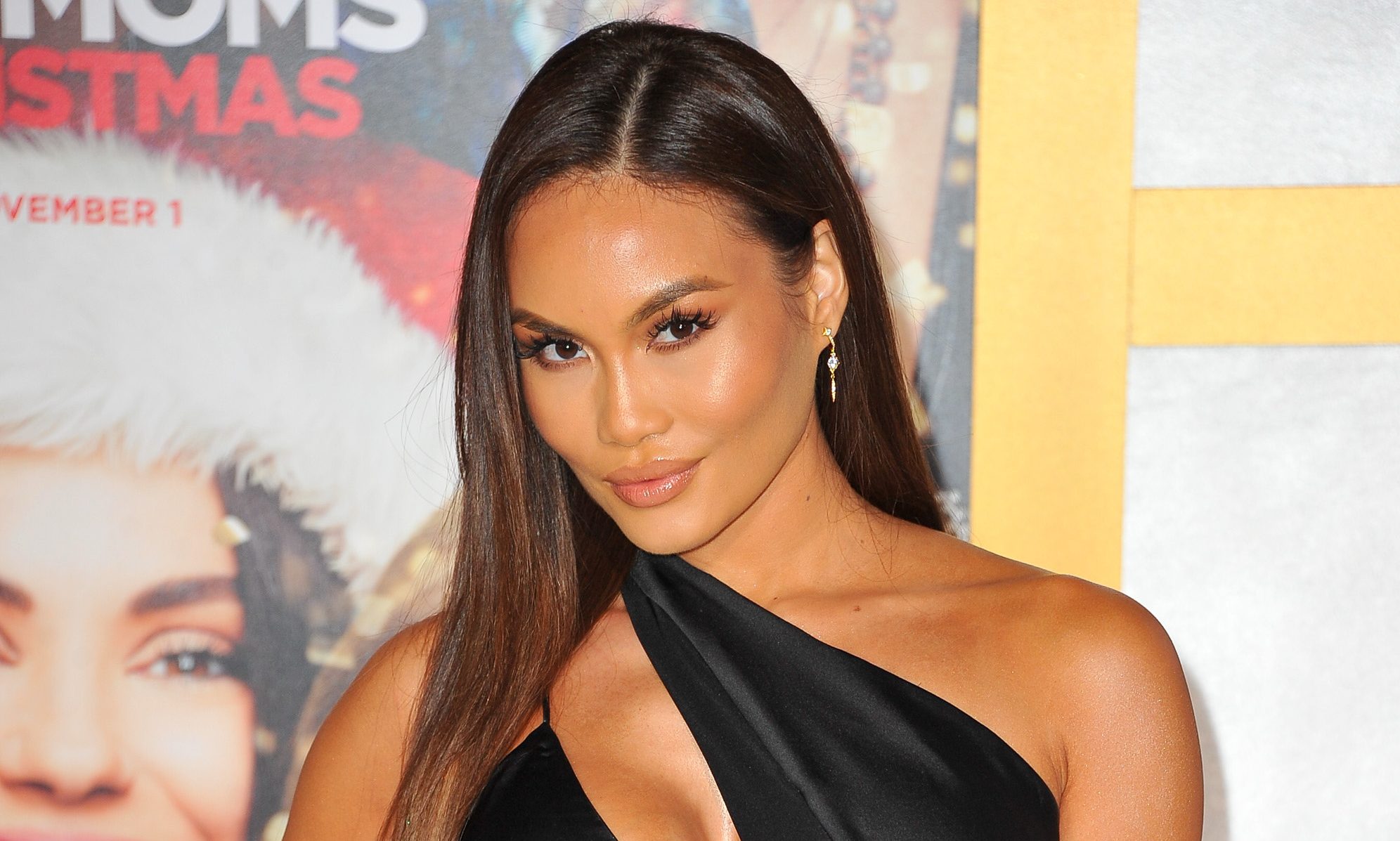
Model and social media personality Daphne Joy has found herself at the center of a polarizing digital firestorm this week. Following a public statement regarding the non-consensual circulation of an intimate video, Joy faced intense scrutiny after returning to her social media platforms to share content that many followers found incongruous with her earlier emotional message. The situation highlights the complex nature of modern celebrity crisis management, where personal disclosures often collide with the relentless pace of content creation.
The controversy began when Joy addressed the unauthorized release of footage allegedly depicting her alongside Sean “Diddy” Combs and a third individual. In a statement posted to her Instagram Stories, she described the experience of viewing the footage as “painful and triggering,” while emphasizing that she did not provide consent for the recording of the encounter. Joy further alleged that she had been the target of a past blackmail attempt involving the footage, characterizing the situation as an ongoing struggle to reclaim her own narrative and body autonomy.
A Rapid Shift in Online Activity
Less than 24 hours after sharing her statement, which she later removed from her profile, Joy resumed her regular activity on Instagram. She initiated a Q&. A session with her followers, prompting them to ask questions, and eventually highlighted a query regarding physical preferences: “Does size really matter?” While she did not provide a definitive answer in the video, she noted that she had specifically selected the question for her audience.

Shortly after the Q&A teaser, Joy published a new reel set to Mariah Carey’s “Obsessed.” In the video, she is seen posing in white lingerie and nude heels. The content, which features various angles of the model, drew immediate and vocal reactions from her followers. The rapid transition from an emotionally charged admission of abuse to the promotion of suggestive, high-engagement content sparked a significant divide in public opinion, with thousands of comments reflecting a spectrum of confusion, support, and criticism.
Public Response and the Dilemma of Authenticity
The reception to Joy’s recent posts serves as a case study in how social media audiences process celebrity trauma. With over 31,000 likes on the combined posts and thousands of user comments, the feedback underscores a growing fatigue among some followers regarding the perceived “bounce-back” culture on platforms like Instagram. While some fans praised her resilience and refusal to let critics define her, others questioned the timing of her content, suggesting that such posts undermine the gravity of her earlier claims regarding the leaked video.
This dissonance is not uncommon in the era of “influencer” culture, where the pressure to maintain a consistent posting schedule often conflicts with the human need for privacy during personal crises. Critics of the model’s recent behavior have raised questions about the sincerity of her initial statement, while supporters argue that she is reclaiming her agency and choosing how to present herself to the world, regardless of external expectations.
Navigating Digital Privacy and Consent
The core of the issue—the non-consensual distribution of intimate media—remains a serious concern in the digital age. Joy’s experience brings to light the long-term psychological impact of such breaches, which she described as a “harmful environment.” Her statement emphasized a desire to “move forward” and “learn to love and trust” herself again, marking a significant, if difficult, step in her personal recovery. As discussions continue to evolve on her social media channels, the incident serves as a reminder of the blurred lines between public persona and private reality.
For individuals dealing with the unauthorized distribution of intimate images or videos, legal and advocacy resources are available to help navigate the complexities of digital consent and online harassment. Organizations such as the Cyber Civil Rights Initiative provide guidance on the legal pathways for addressing non-consensual image sharing, while various mental health resources offer support for those managing the trauma associated with public exploitation. As this story continues to develop, observers are waiting to see how the legal landscape regarding these issues might shift to better protect individuals from digital harm.
We will continue to monitor the situation as further information becomes available through official channels. If you have thoughts on the intersection of celebrity, digital privacy, and social media accountability, we encourage you to join the conversation in the comments section below.
Worth a look