/behind-the-scenes-wha-may-2026.tmb-1200v.jpg?sfvrsn=ca9ec689_1)
As the Seventy-ninth World Health Assembly (WHA79) continues its proceedings in Geneva, the global health community has shifted its focus toward the essential pillars of sustainable development: honoring those at the front lines of care, addressing the ongoing humanitarian crisis in Ukraine, and reshaping the management of noncommunicable diseases (NCDs) and mental health. These deliberations, held on 20 May 2026, underscore the urgent need for integrated, people-centered health systems capable of navigating the complex, overlapping challenges of the 21st century.
The assembly, which serves as the decision-making body of the World Health Organization (WHO), acts as a critical venue for setting global standards and fostering multilateral cooperation. This year’s agenda reflects a departure from siloed, disease-specific approaches, advocating instead for holistic systems that can better withstand the pressures of ageing populations, multimorbidity, and the persistent threat of health inequities.
Celebrating Excellence in Global Public Health
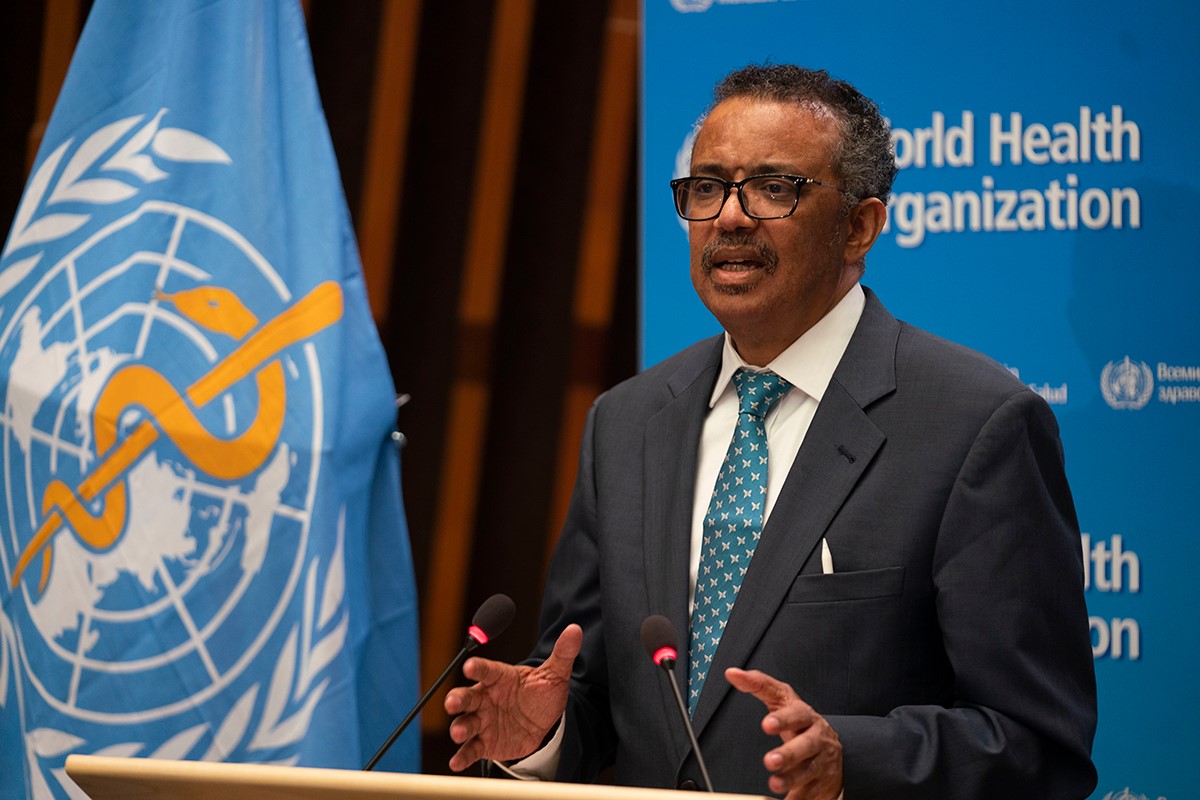
At the center of today’s proceedings was the presentation of the annual public health awards, which recognize the extraordinary dedication of professionals and institutions working to advance primary health care. Six laureates were honored for their contributions to reducing health inequities and bringing the vision of “Health for All” closer to reality. The awards were presented by the President of the Assembly, Dr. Víctor Elias Atallah Lajam of the Dominican Republic, alongside the WHO Director-General, Dr. Tedros Adhanom Ghebreyesus, and representatives from the various foundations that support these accolades. For those interested in the impact of these champions, further details on the 2026 award winners can be found in the official WHO feature story.

Addressing the Health Crisis in Ukraine
Delegates also turned their attention to the ongoing humanitarian and emergency health situation in Ukraine, reviewing a comprehensive report by the Director-General regarding the organization’s continuous support for the country’s health infrastructure. The assembly formally noted the report, which details the challenges of maintaining essential medical services amidst active conflict and the destruction of health facilities.
Following this review, the assembly approved a formal decision to maintain the implementation of existing resolution WHA75.11. This decision ensures that the WHO remains fully committed to providing technical and operational support to Ukraine’s emergency health response. Under the current mandate, a progress report on these efforts is scheduled to be submitted for review at the 2027 World Health Assembly, ensuring continued accountability and oversight of the international health response.
Strategic Shift: Integrating NCDs and Mental Health
A significant portion of the day was dedicated to a Strategic Roundtable, where ministers, policymakers, and individuals with lived experience explored the necessity of an integrated approach to managing noncommunicable diseases (NCDs) and mental health conditions. These conditions remain the leading causes of illness and premature mortality worldwide, driven by a confluence of social, commercial, and environmental determinants.
The dialogue highlighted that many current health systems are too fragmented to adequately manage the growing global burden of multimorbidity. Participants emphasized that moving beyond disease-specific programs is no longer optional but essential. By pivoting toward people-centered systems, nations can better address the underlying risk factors—such as nutrition, physical activity, and social isolation—that contribute to both NCDs and mental health struggles.
The discussion was firmly rooted in the commitments made during the 2025 Political Declarations on NCDs and mental health. Key recommendations from the roundtable included:
- Fiscal Policy Reform: Utilizing taxation and economic incentives as proactive tools to reduce health risk factors.
- Community Engagement: Strengthening social connections to improve mental health outcomes and improve treatment adherence.
- Systemic Integration: Ensuring that primary health care services are equipped to handle mental and physical health needs simultaneously rather than in isolation.
For a deeper look into these strategic discussions, including video coverage of the sessions, more information is available through the official WHO event portal.
Looking Ahead to the 2027 Assembly
As WHA79 continues, the focus will remain on the implementation of these high-level decisions. The commitment to providing a progress report on the health emergency in Ukraine by 2027 serves as a benchmark for the international community’s dedication to humanitarian stability. In the coming days, assembly members are expected to finalize further resolutions that will shape global health policy for the next fiscal year.
The challenges discussed today—ranging from the immediate needs of conflict-affected regions to the long-term systemic shifts required for NCD management—require sustained, coordinated action across all sectors of government. As the assembly progresses, the world will be watching to see how these policy commitments are translated into tangible health improvements for populations in every corner of the globe.
What are your thoughts on the shift toward integrated mental health and NCD care? Join the conversation by sharing this article or leaving a comment below.
Worth a look
- Women’s Health Strategy: No Improvement After One Year as Minister Lacks Urgency
- How the Corona Pandemic Fueled the Fintech Boom: The Rise of Payment Giants like Adyen
- Antiphospholipid Syndrome Case Highlights Stroke Risks in Elderly Patients (time.news)
- Walnuts vs. Almonds: Which Is Better for Heart Health? (newsdirectory3.com)