
As international travel continues to rebound, the excitement of returning home with souvenirs—ranging from local delicacies to unique wellness products—is often tempered by the complexities of border regulations. Navigating the rules surrounding restricted items for international travelers is more than just a bureaucratic hurdle; it is a vital part of ensuring biosecurity, public health, and legal compliance. Whether you are bringing back high-concentration liquid nicotine or specific food products, understanding what is permitted across customs borders is essential for a seamless arrival.
In my fourteen years of reporting on global affairs, I have seen firsthand how easily well-intentioned travelers can find themselves in difficult situations at international airports. Customs agencies worldwide, such as the U.S. Customs and Border Protection (CBP) or the Japan Customs authorities, enforce strict policies not to inconvenience the public, but to mitigate risks related to invasive species, illegal substances, and unregulated consumer products. Ignorance of these protocols is rarely accepted as a valid defense when prohibited goods are confiscated.
Understanding Customs Restrictions on Consumer Goods
The primary challenge for most travelers is the discrepancy between what is legal to purchase in a foreign country and what is legal to import into their home nation. For instance, while items like konjac jelly or specific dietary supplements may be freely available in shops across Asia, they may fall under the purview of national food safety administrations if they contain ingredients not approved for domestic consumption. According to the U.S. Food and Drug Administration (FDA), importing personal shipments of food is subject to rigorous oversight, and travelers should verify if their items comply with labeling and safety standards before departure.
Liquid nicotine and high-concentration vaping products represent another category where regulations are rapidly evolving. Many jurisdictions have implemented strict licensing requirements for the importation of electronic nicotine delivery systems (ENDS). In many cases, these products are treated as pharmaceutical or tobacco-related goods, necessitating prior authorization from national health ministries. Failure to declare these items can lead to significant fines or, in more severe cases, legal action depending on the specific domestic laws of the destination country.
Key Categories of Restricted Items
To avoid complications, it is helpful to categorize the items you intend to bring back. Generally, customs authorities categorize goods into three primary tiers: items that are strictly prohibited, items that require special permits, and items that are exempt provided they meet personal-use thresholds.
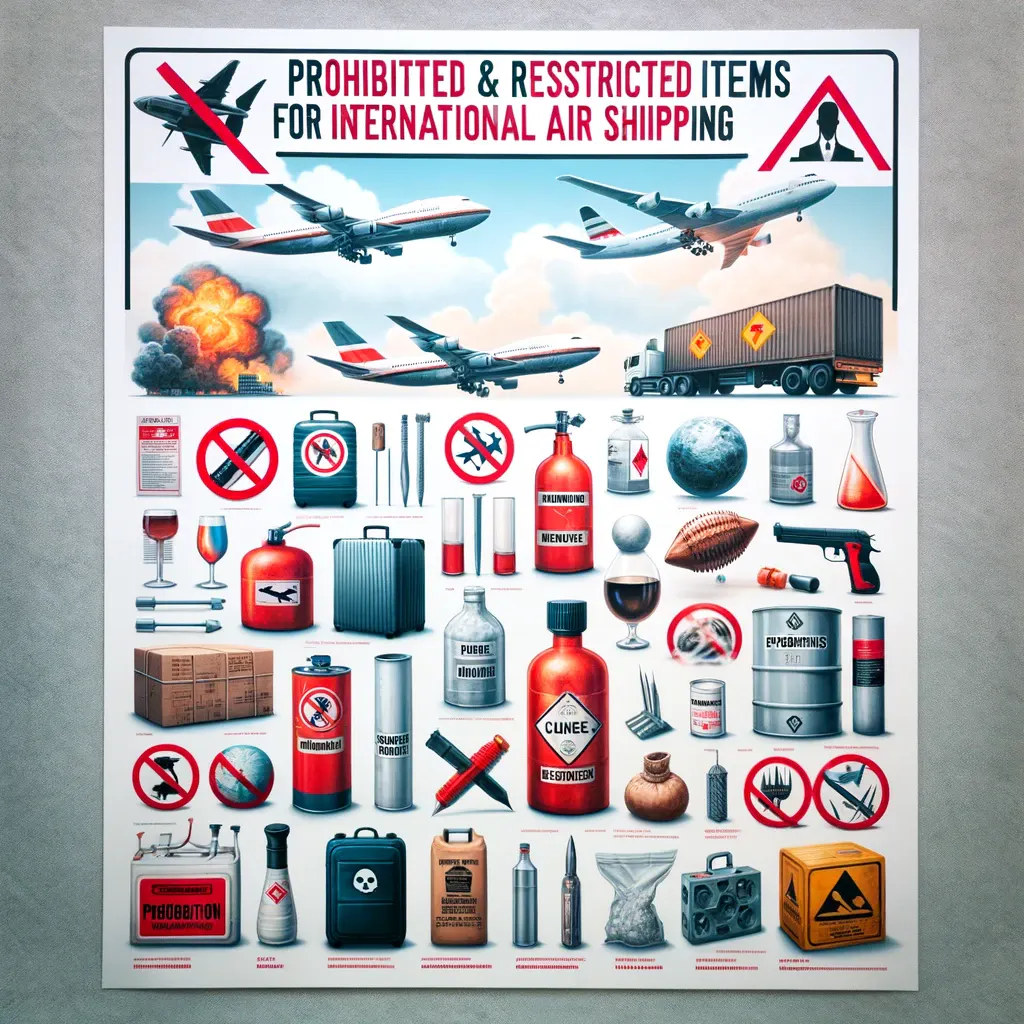
- Food and Agricultural Products: Fresh fruits, vegetables, meats, and certain dairy products are frequently restricted to prevent the spread of pests and diseases. For example, the USDA Animal and Plant Health Inspection Service maintains comprehensive databases on what can safely enter the country.
- Pharmaceuticals and Supplements: Medications must typically be in their original packaging, accompanied by a valid prescription. Over-the-counter supplements that are not approved domestically may be seized upon arrival.
- Nicotine and Vaping Products: These are increasingly subject to specific volume limits and safety testing requirements. Travelers should consult the official customs portal of their destination well in advance of their trip.
Navigating Compliance and Biosecurity
The complexity of these regulations often stems from the necessity of protecting domestic ecosystems. Biosecurity is a major priority for nations like Australia and New Zealand, where the introduction of a single invasive seed or insect could cause irreparable harm to local agriculture. In these regions, the Australian Department of Agriculture, Fisheries and Forestry enforces some of the world’s most stringent biosecurity laws, requiring travelers to declare all food, plant, and animal products.
For the average traveler, the best strategy is to adopt a “declare everything” mindset. If you are uncertain whether an item is restricted, declaring it to a customs officer allows them to inspect the product and make an informed decision. Often, if an item is not explicitly prohibited, you may simply be asked to surrender it if it does not meet safety criteria, whereas failing to declare a restricted item can result in heavy administrative penalties or even travel bans.
Practical Advice for International Travelers
Before packing your bags for your return flight, take a moment to visit the official customs and border control websites for your destination country. These sites provide the most accurate, real-time information regarding import prohibitions. Look for sections labeled “Traveler Information” or “Importing Goods for Personal Use.”
Key Takeaways for a Smooth Customs Experience:
- Verify Official Sources: Always rely on government-issued websites rather than third-party travel blogs, which may be outdated.
- Check Ingredient Lists: For food and supplements, ensure that all ingredients are clearly labeled in a language recognizable by customs officials.
- Carry Documentation: If you are bringing prescription medication, have a copy of the prescription or a doctor’s note available in English or the official language of your destination.
- Declare When in Doubt: Declaring an item is always safer than attempting to conceal it.
As global regulations continue to shift in response to changing health and security landscapes, staying informed is your best defense. Customs policies are subject to change without extensive public notice, and travelers are encouraged to check for any updates at least 48 hours before their departure. If you have questions about specific items, most customs agencies offer public inquiry lines where you can receive guidance directly from officials.
Have you encountered unexpected challenges with customs declarations during your recent travels? I invite you to share your experiences or questions in the comments section below. Your insights help our global community travel more responsibly and effectively.