
The persistent allure of Bitcoin, now an established fixture in the global financial landscape, continues to spark debate among institutional investors and retail participants alike. As of June 2026, the digital asset remains a focal point for those navigating the intersection of decentralized technology and traditional market mechanisms. However, the reliance on Bitcoin as a core asset—particularly when it lacks the inherent cash flows associated with traditional equities—raises fundamental questions about liquidity, dividend strategies and the long-term sustainability of “flywheel” investment models.
For investors, the distinction between a speculative asset and a cash-generating instrument has never been more critical. While proponents point to Bitcoin’s role as a decentralized digital currency, its integration into corporate treasuries and dividend-paying structures introduces complexities that merit careful analysis. As we observe the market fluctuations, the challenge for modern portfolio managers is determining how to balance the volatility of a peer-to-peer electronic cash system with the rigid requirements of institutional payout obligations.
The Structural Challenges of Non-Yielding Assets
At its core, Bitcoin operates through a decentralized network that functions without central authorities or traditional banking intermediaries, as detailed in the technical specifications maintained by the Bitcoin development community. Unlike corporate bonds or dividend-yielding stocks, Bitcoin does not inherently generate interest or cash distributions. This structural reality creates a distinct hurdle for organizations that attempt to utilize the asset to fund periodic payouts, such as preferred stock dividends.
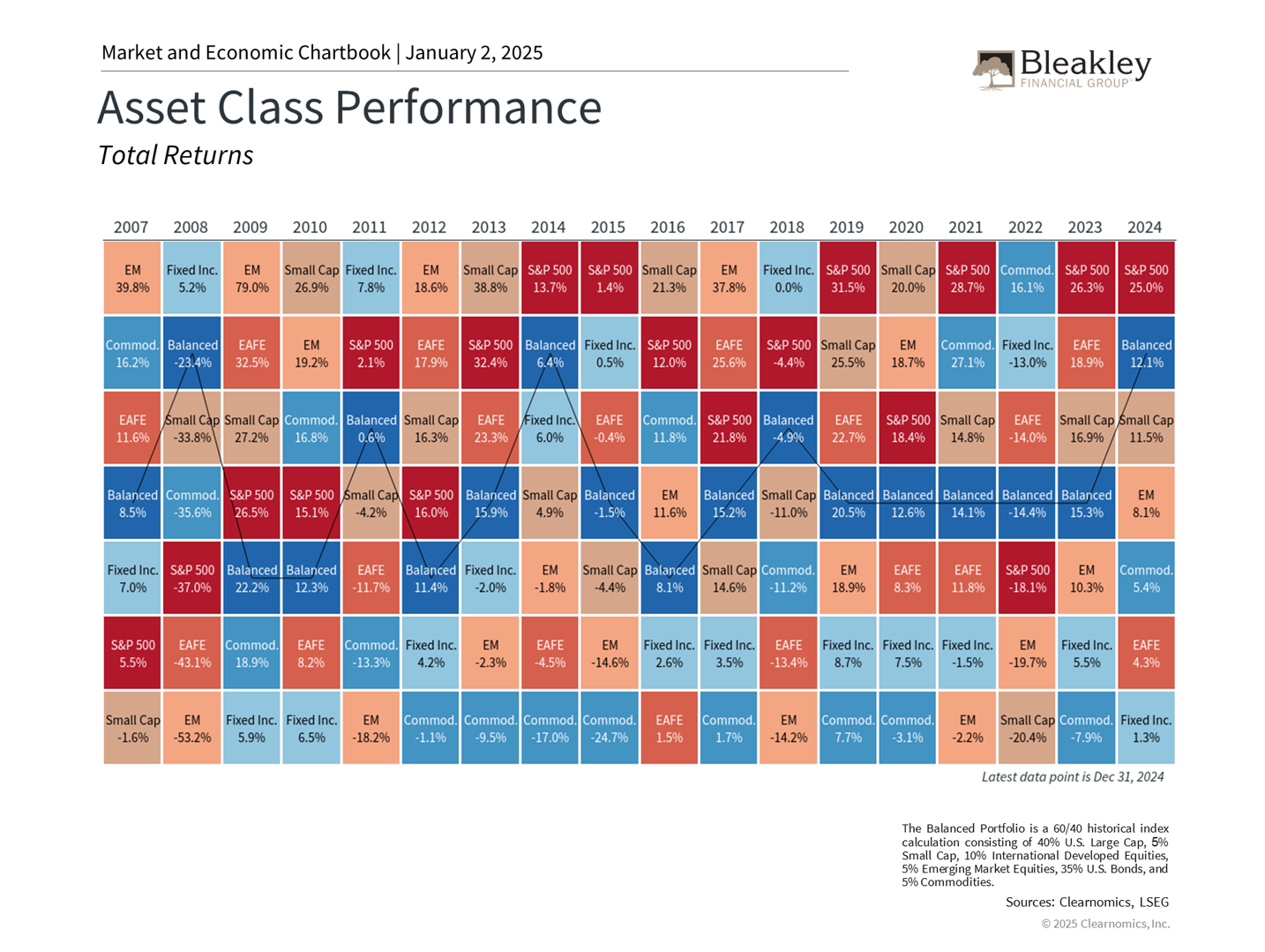
When an entity relies on the appreciation of a non-yielding asset to satisfy external financial obligations, it must periodically liquidate portions of its holdings. This necessity can create a cycle where market performance dictates liquidity, rather than the underlying profitability of the business itself. According to historical market data, Bitcoin’s price has experienced significant volatility, reaching an all-time high in October 2025 before correcting, a trend that underscores the risks inherent in using such assets to underpin fixed-income promises (Market Performance Overview).
Bitcoin in the Modern Economic Context
The evolution of Bitcoin since its inception in 2009 has been marked by a transition from a niche experimental project to a recognized asset class. With a fixed supply cap of 21 million coins, the scarcity model is encoded into the protocol, providing a predictable issuance schedule through the process of halving every 210,000 blocks (Wikipedia: Bitcoin). However, this scarcity does not translate into operational revenue. For businesses, the “flywheel” effect—where rising asset prices encourage further investment—can be powerful, but it remains vulnerable to the timing of forced sales.
The necessity of selling Bitcoin to meet dividend requirements highlights a broader tension in the “coin-era” of finance. When an organization must sell a portion of its digital treasury during a market downturn to honor a dividend, it effectively locks in losses and reduces its long-term exposure to the asset. This dynamic forces a strategic choice: prioritize immediate cash flow for shareholders or maintain a long-term position in an asset that historically lacks a steady, internal yield mechanism.
Strategic Considerations for Institutional Investors
For the sophisticated investor, the current market climate demands a reevaluation of how digital assets are categorized. The following points summarize the essential considerations for those navigating this landscape:

- Asset Liquidity: Unlike traditional fiat reserves, Bitcoin requires a liquid exchange environment to convert holdings into cash, which can be influenced by 24-hour trading volumes and market depth.
- Volatility Management: The absence of an underlying cash flow means that price appreciation is the primary driver of value, making risk management protocols essential for any entity holding significant BTC reserves.
- Operational Transparency: As noted by decentralized development standards, the public nature of the Bitcoin ledger allows for full visibility into treasury movements, a feature that provides accountability but also exposes corporate strategy to market scrutiny.
The era of “money-making coins” is often characterized by high expectations of growth. Yet, as the market matures, the focus is shifting toward institutional stability. Investors are increasingly looking for clarity on how companies manage their digital treasuries and whether they are relying on speculative gains to mask a lack of operational cash flow. As we move into the second half of 2026, the market will likely continue to favor organizations that demonstrate a disciplined approach to capital allocation, ensuring that dividend policies are supported by sustainable revenue streams rather than the unpredictable sale of volatile digital assets.
The next major milestone for the ecosystem will likely involve further regulatory updates and institutional disclosures regarding treasury management practices. Investors are encouraged to monitor official filings and corporate disclosures for updates on how major holders are adjusting their strategies in response to market cycles. We welcome your insights on the evolving role of digital assets in your own portfolios; please feel free to share your thoughts in the comments section below.