
In the landscape of contemporary fiction, few challenges are as daunting as the attempt to depict the upper echelons of society without descending into caricature or malice. For many writers, the portrayal of wealth often follows a predictable, often venomous, trajectory—focusing on the hollow decadence, the fractured families, and the isolation that seemingly accompanies privilege. However, a distinct literary path exists for those seeking to capture the absurdity of high society while maintaining a core of human compassion.
This delicate balancing act is at the heart of the creative philosophy of author Courtney Maum. As she prepares for the release of her latest novel, Alan Opts Out, Maum is reflecting on the specific literary influences that shaped her “north star”: a commitment to writing that is “funny but not mean.” This approach seeks to bridge the gap between the bleakness often assigned to tales of privilege and the genuine joy and absurdity that can exist within those same circles.
Maum’s perspective was forged in the gated developments of Greenwich, Connecticut, during the 1980s. While the literature she was assigned in high school—notably the works of John Updike and Philip Roth—often explored wealth through a lens of depression and social decay, Maum’s lived experience offered a different view. She recalls a world where the absurd was commonplace, from holiday parties where mansions were flooded to create indoor ice rinks to fundraisers featuring giraffes in suburban backyards. These memories of joy and eccentricity became the foundation for her search for writers who could handle social satire with a sense of empathy rather than spite.
The Architecture of Empathy: Balancing Humor and Trauma
To achieve a voice that is both sharp and sympathetic, Maum identifies a specific lineage of authors who mastered the art of the “engrossing read” through the inclusion of complex human emotions. For Maum, the ability to weave humor into narratives of struggle is not just a stylistic choice, but a way to reflect the true resilience of the human spirit.
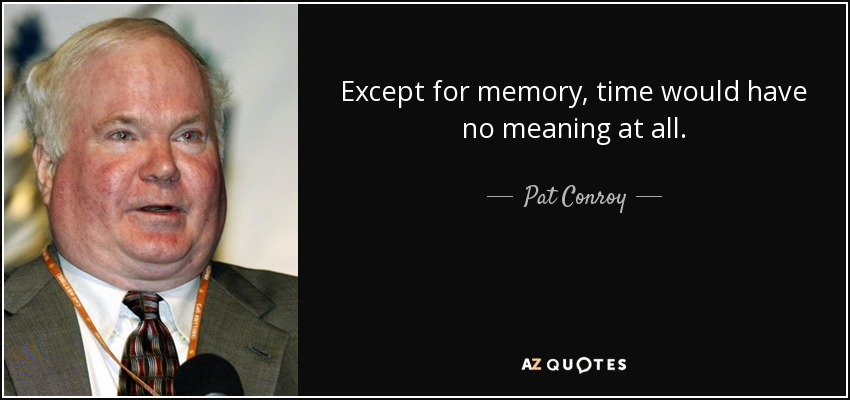
Pat Conroy’s The Prince of Tides stands as a foundational text in this regard. Although the novel is frequently noted for its depictions of physical and emotional violence, Maum credits Conroy with proving that laugh-out-loud humor, deep emotionality, and profound trauma can coexist within the same pages. This realization allowed her to see that a narrative does not have to choose between being profound and being funny.

Similarly, the works of Jonathan Franzen and Michel Houellebecq provided essential lessons in social observation. In Franzen’s The Corrections, Maum found a blueprint for exploring the tension between resentment and the desperate, often flailing, human attempts at love and forgiveness. For a writer coming from a “functionally dysfunctional” background, Franzen’s ability to pull off empathy amidst familial chaos was transformative.
From Houellebecq, specifically his seminal novel The Elementary Particles, Maum drew inspiration for exploring male vulnerability through the lens of social satire. Reading the work in its original French while studying abroad, she noted how the novel utilized a blasé and often lonely atmosphere to crack jokes, demonstrating that satire could be both pathetic and profoundly human.
The Precision of Satire: Handling Cruelty and Culture
A central component of Maum’s “funny but not mean” philosophy is the understanding of when and why a character’s flaws should be highlighted. This requires a level of technical skill that prevents satire from becoming mere bullying.
The late Martin Amis served as a masterclass in this discipline. Maum recalls being dazzled by the deftness of Amis’s prose, particularly in how he managed the depiction of cruelty. Through Amis, she learned that if a character is to be portrayed as despicable, there must be a substantive reason for their baseness—whether it serves the overarching plot or the satirical purpose of the work, as seen in his intense exploration of darker themes in The Zone of Interest.
Renata Adler’s Speedboat provided another vital lesson in the art of the critique. For writers who find themselves described as “gimlet-eyed,” Adler’s work offers a model for criticizing cultural and political moments with subjectivity, but without falling into the trap of spitefulness. It’s a hard balance to maintain: staying sharp enough to be relevant, but staying grounded enough to remain fair.
A Literary Roadmap: Influential Works for the Modern Satirist
In her pursuit of a balanced voice, Maum has identified several key texts that inform her current writing process. These books represent a spectrum of styles, from commercial plots with intellectual rigor to surrealist explorations of realism.
- Carl Hiaasen, Skinny Dip: Taught the integration of intellectual rigor and environmental concerns into commercial storytelling, all while maintaining a sense of “love” for the subject matter.
- A.M. Homes, This Book Will Save Your Life: Showcased emotional generosity and the successful incorporation of surrealism into realistic settings.
- Jilly Cooper, Riders: Demonstrated that one can write about the wealthy without making every character detestable, while also mastering the art of believable, serious romantic scenes within a comedic framework.
- Deb Olin Unferth, Vacation: Provided a lesson in “putting air” into writing, ensuring that humor remains effective without becoming overbearing or bombastic.
- Joshua Ferris, To Rise Again at a Decent Hour: Inspired Maum’s approach to character arcs, specifically how to transition a character from being unlikable to being a meaningful, understood figure.
The “Funny but Not Mean” Legacy in Alan Opts Out
The culmination of these influences is evident in Maum’s latest project, Alan Opts Out. The novel follows its titular character, an advertising executive whose life begins to unravel following a botched campaign bid for U.S. Dairy. The character’s mental breakdown and subsequent arc were directly inspired by the “larger-than-life” characters found in the works of Joshua Ferris, particularly the character of Dr. O’Rourke.
Through Alan, Maum continues her exploration of how individuals—particularly men—”bumble” through their lives. By applying the lessons learned from her diverse reading list, she aims to create a narrative that explores the breakdown of professional and personal stability with the same blend of humor and compassion that defined her literary education.
As the literary community anticipates the full impact of Alan Opts Out, Maum’s journey serves as a reminder that the most effective social commentary often comes not from a place of judgment, but from a place of profound, albeit humorous, understanding.
Key Takeaways: Writing with Compassionate Humor
- Purposeful Cruelty: Ensure that any depiction of a character’s flaws serves a larger satirical or narrative purpose rather than being gratuitous.
- The Humor-Trauma Balance: Use comedy as a tool to navigate emotional depth and trauma, rather than as a distraction from it.
- Avoid the “Bombastic” Trap: Maintain narrative “air” to ensure that humor remains engaging rather than overbearing or mean-spirited.
- Empathy in Satire: Aim to find the “joy and absurdism” in even the most unconventional or privileged settings.
As more details regarding the release and critical reception of Alan Opts Out become available, World Today Journal will continue to provide updates on this significant new release in contemporary fiction.
What are the books that shaped your perspective on writing or life? Share your thoughts in the comments below and share this article with your fellow readers.