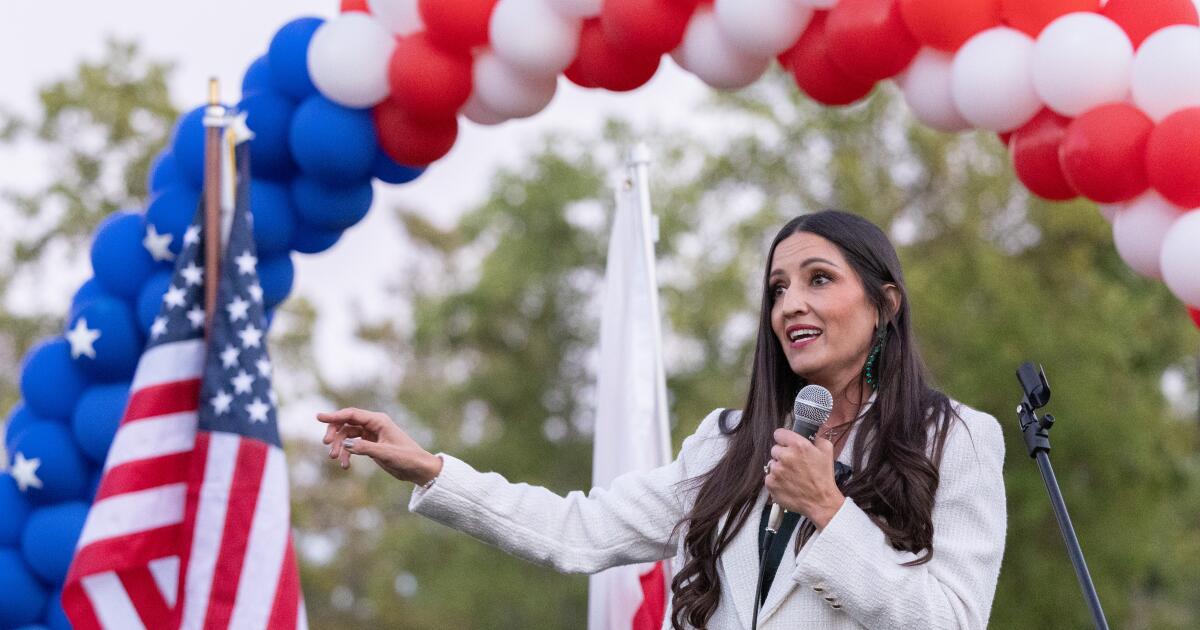
In the evolving landscape of California’s educational governance, the race for state superintendent has entered a pivotal phase. Recent primary election data indicates that Sonja Shaw, the current president of the Chino Valley Unified School District Board of Education, has emerged as a frontrunner among a crowded field of candidates. As voters weigh the future of the state’s K-12 public school system, the contest has highlighted significant ideological divides regarding curriculum oversight, parental rights, and the role of local versus state authorities in classroom policy.
The primary results, which show Shaw maintaining a lead in the early tallies, have drawn national attention to the shifting political dynamics within California school boards. While the position of state superintendent is officially nonpartisan, the campaigns have increasingly mirrored broader national debates over educational standards and the extent of parental involvement in school governance. As the field narrows, the focus shifts to how these candidates plan to address persistent challenges, including declining enrollment and the implementation of state-mandated academic frameworks.
The Candidates and the Current Political Landscape
Sonja Shaw’s campaign has centered on the concept of parental empowerment, a platform that gained significant visibility during her tenure on the Chino Valley Unified school board. Her candidacy represents a broader movement of local board members seeking to influence state-level education policy. According to official election reporting from the California Secretary of State’s office, the electoral process involves a rigorous verification of ballots cast in each county, ensuring that the final tallies reflect the diverse demographics of the state’s voting population.
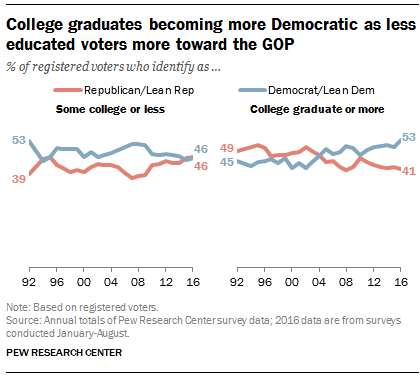

Trailing behind Shaw in the primary standings is Richard Barrera, the board president of the San Diego Unified School District. Barrera, who has advocated for a more traditional approach to school funding and teachers’ union collaboration, represents the Democratic wing of the race. The division of the vote among several Democratic contenders has been identified by political analysts as a key factor contributing to Shaw’s current position in the primary standings. Because the California superintendent election functions under a top-two primary system, the final general election will feature the two candidates who receive the highest number of votes, regardless of their political party affiliation, as outlined in the California Elections Code Section 8141.
Policy Priorities and Voter Concerns
The core of the debate in the superintendent’s race revolves around how the state should balance local control with state-mandated educational requirements. For many voters, the primary concern remains the quality of instruction and the transparency of school board decisions. Sonja Shaw has consistently argued for increased transparency and a stronger role for parents in the selection of instructional materials. This stance has resonated with a significant portion of the electorate, particularly in regions where school board meetings have become focal points for intense public debate.
Conversely, the opposition has focused on the need for stable, centralized leadership that supports teachers and adheres to existing state-wide equity and inclusion mandates. The California Department of Education provides extensive resources on the state’s education funding and accountability systems, which serve as a blueprint for the policies that the next superintendent will be tasked with administering. The incoming superintendent will inherit a complex portfolio, including the management of the Local Control Funding Formula (LCFF), which dictates how billions of dollars in state aid are allocated to school districts based on their specific student population needs.
What Happens Next: The Path to the General Election
With the primary phase nearing its conclusion, the focus now shifts to the general election campaign. The candidates are expected to ramp up their outreach to independent voters, who often serve as the deciding factor in statewide races. The California election calendar, maintained by the Secretary of State, dictates that the next major milestone is the certification of the primary results, followed by the commencement of the general election cycle. For voters looking to participate, the state provides an online registration portal where residents can verify their status and update their information to ensure they receive mail-in ballots.
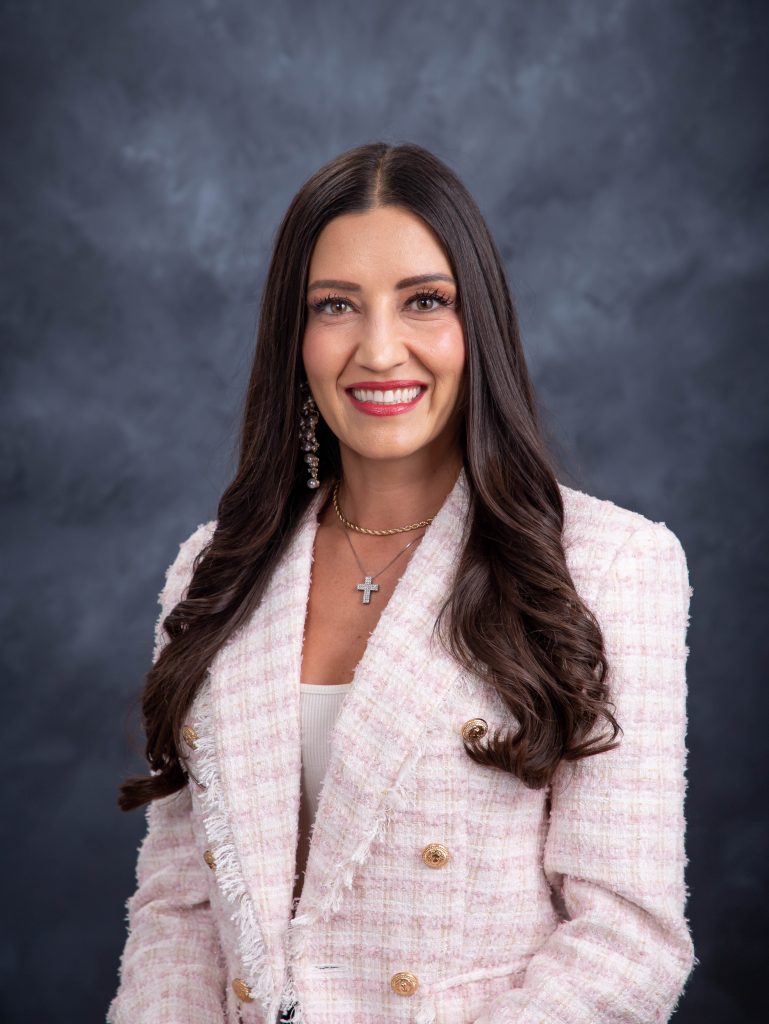
As the race moves forward, transparency remains a priority for election officials. County registrars are currently working to process all remaining provisional and mail-in ballots, a process that is subject to strict legal oversight to ensure the integrity of the vote. The final composition of the general election ballot will be confirmed once all county offices have completed their canvassing procedures. Whether the current lead held by the Republican-aligned candidate persists through the final count remains the primary question for political observers as they look toward the upcoming November general election.
We invite our readers to share their thoughts on the shifting priorities in California education policy. Please join the conversation in the comments section below, and stay tuned to the World Today Journal for ongoing coverage of this race as we approach the next official election checkpoint.
Keep reading