
STOCKHOLM — The Swedish parliamentary process regarding immigration policy has hit a procedural impasse this week. Speaker of the Riksdag, Andreas Norlén, has officially declined a request from the Green Party (Miljöpartiet) to hold an emergency parliamentary vote concerning transitional rules for Swedish citizenship. The request, which sought to address concerns over the implementation of new requirements for naturalization, was rejected on the grounds that it did not meet the criteria for an unscheduled, urgent legislative intervention.
For many residents navigating the complex path to Swedish citizenship, the decision marks a continuation of the current regulatory framework. The debate centers on how legislative transitions affect applicants who initiated their naturalization process under older, potentially more favorable criteria. As the Riksdag continues its legislative session, the rejection highlights the strict procedural hurdles that opposition parties must clear to disrupt the established parliamentary calendar.
Understanding the Citizenship Transition Debate
The core of the dispute involves the transition between existing citizenship laws and potential future amendments. In Sweden, the process of acquiring citizenship is governed by the Swedish Citizenship Act (Svensk medborgarskapslag), which sets specific requirements for residency, character, and language proficiency. When the government proposes changes to these laws, the “transitional rules” determine how those changes apply to individuals whose applications are already in progress or who were nearing eligibility under the previous regime.
The Green Party’s push for an emergency motion was rooted in concerns that current shifts in policy could unfairly disadvantage applicants who have spent years working toward the goal of citizenship. However, Speaker Andreas Norlén, who serves as the presiding officer of the Swedish parliament, holds the authority to determine the legislative agenda. According to the official mandates of the Riksdag, the Speaker’s role is to lead the work of the chamber and ensure that legislative procedures—including the submission of motions—adhere strictly to the established rules of order.
Procedural Hurdles in the Riksdag
In the Swedish parliamentary system, an “emergency” motion requires more than just political disagreement; it demands a clear procedural justification that the current legislative schedule cannot accommodate the matter through standard committee review. By denying the motion, the Speaker has signaled that the proposal does not constitute a constitutional or immediate administrative crisis that would warrant bypassing the normal legislative process.
This decision underscores the institutional stability—and at times, the rigidity—of the Swedish legislative branch. For observers of Nordic politics, the move is consistent with the traditional deference shown to the Speaker’s office. As noted by the Government of Sweden’s administrative documentation, the interplay between opposition initiatives and the majority-backed agenda is a frequent point of friction, yet the rules governing the Riksdag are designed to prevent frequent, unscheduled disruptions to the parliamentary flow.
Key Factors Influencing Citizenship Policy
- Residency Requirements: The duration of legal stay remains a primary pillar of the citizenship application process.
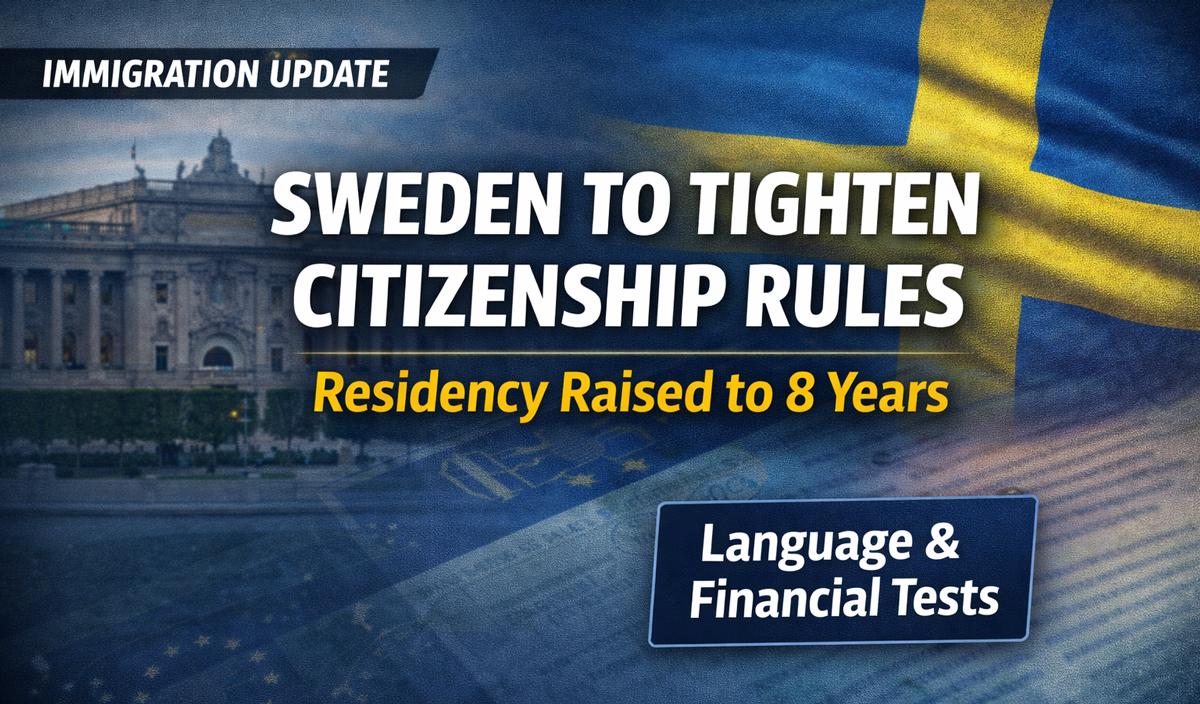
- Language and Integration: Ongoing discussions in the Riksdag often focus on strengthening requirements for language proficiency and self-sufficiency.
- Legislative Precedence: New laws typically include specific clauses defining who is “grandfathered” in under previous rules and who must adhere to updated standards.
What This Means for Applicants
For those currently awaiting a decision on their citizenship application, the Speaker’s rejection of the emergency motion means that the current rules remain in force without immediate alteration. While the Green Party may continue to pursue the issue through standard committee channels or future legislative proposals, there is no immediate change to the administrative processing of pending cases.
Applicants are encouraged to monitor the Swedish Migration Agency (Migrationsverket) official portal for the most accurate and up-to-date guidance regarding their specific files. The Migration Agency is the government authority responsible for processing applications, and they operate strictly under the laws passed by the Riksdag. Any changes to the law are typically communicated through official government channels well in advance of their implementation date.
Looking Ahead: The Legislative Calendar
The Riksdag’s legislative agenda for the remainder of the session continues to focus on its primary budget and policy objectives. While the Green Party’s attempt to fast-track a review of transitional rules has been halted, the broader conversation regarding immigration and integration remains a high-priority topic in Swedish national discourse. The next scheduled debates in the chamber will provide further opportunities for parties to address these issues through standard motions and interpellation sessions.
As we continue to follow these developments, it is essential for our readers to rely on official parliamentary minutes and government press releases to distinguish between political posturing and actual legislative change. We will continue to track the progress of any upcoming bills related to the Swedish Citizenship Act as they move through the committee stage and into the chamber for a final vote.
Have questions about how these parliamentary procedures impact your specific situation? We encourage our readers to participate in the conversation below. Please note that while we provide analysis on the political process, we cannot offer individual legal advice. For specific case inquiries, always consult the Swedish Migration Agency or a qualified legal professional.
Related reading
- Iran’s Geopolitical Tension: Strait of Hormuz Negotiations and US Relations
- Inter Miami, Chicago Fire, and San Diego FC Eye Potential Transfer
- Fun and Splashes with Officer McCloud at Park Wayne Block Party (news-usa.today)
- AI Stock Slump Forces Hedge Fund Prodigy to Sell; Musk Denies Tesla Split Plans (archyde.com)