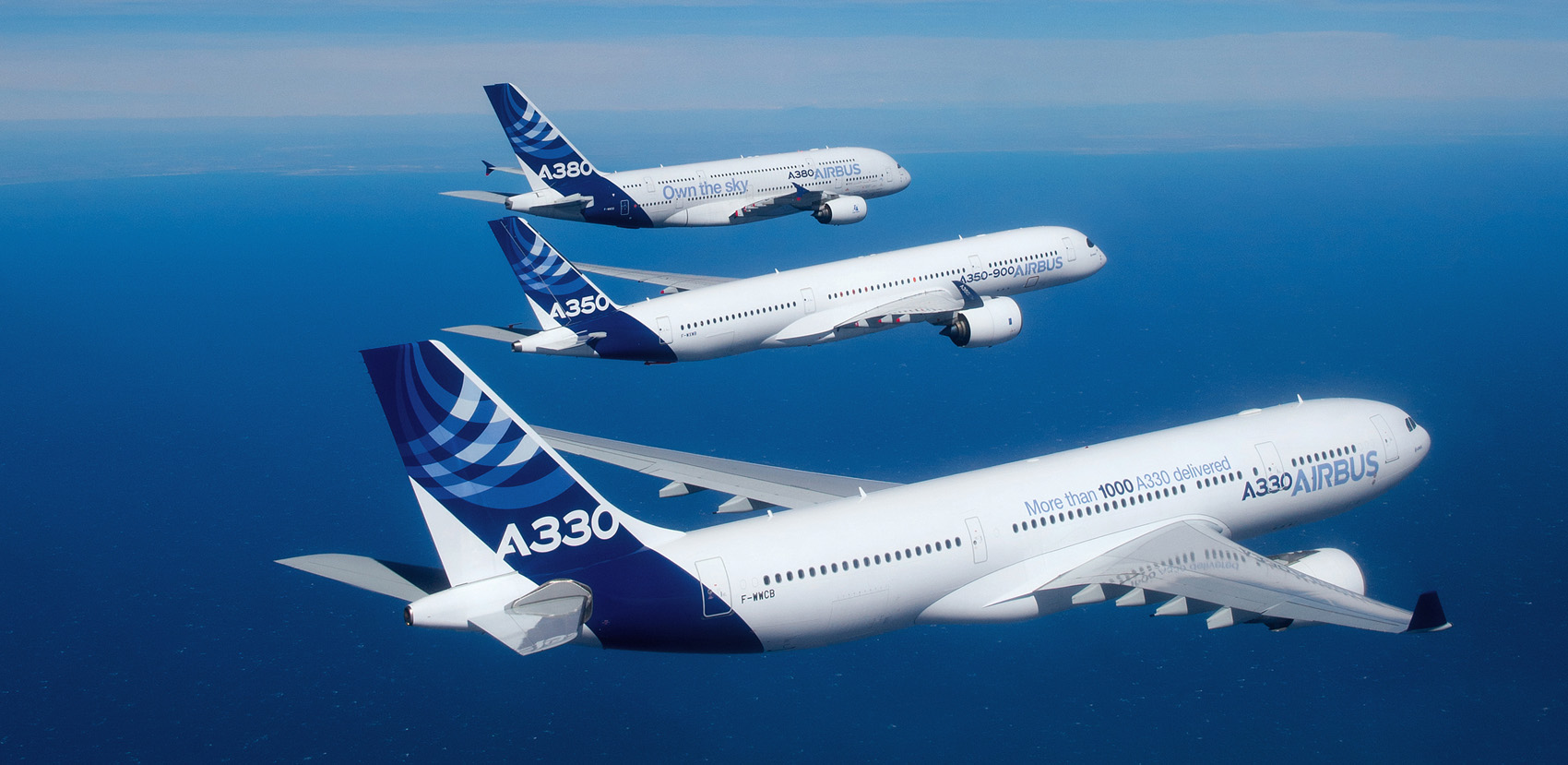
The landscape of ultra-long-haul aviation is shifting as Airbus moves forward with its latest advancement in aircraft engineering. The manufacturer has officially confirmed that its A350-1000ULR (Ultra Long Range) widebody aircraft has successfully completed its maiden test flight, marking a critical milestone in the development of planes capable of sustained, ultra-long-duration operations. This development represents a significant step toward the future of global connectivity, potentially enabling direct flights that span nearly a full day in the air.
As we look at the evolution of modern aerospace, the ability to fly 22 hours non-stop is not merely a technical benchmark; it is a structural challenge that requires immense precision in fuel management, aerodynamics and cabin design. The successful completion of this initial test flight, reported by Qantas regarding its Project Sunrise initiative, signals that the aerospace industry is entering a new chapter of efficiency and reach. The aircraft is now slated to undergo an intensive testing phase, involving approximately 80 hours of flight evaluations over the next two months to ensure the platform meets the rigorous demands of such extended travel.
Engineering the Future of Long-Haul Travel
The A350-1000ULR is designed to address the unique requirements of the world’s most demanding air routes. For engineers, the challenge lies in balancing the weight of additional fuel capacity with the aerodynamic efficiency required to maintain flight stability over such an extended duration. Airbus has long been a leader in these advancements, pioneering sustainable aerospace solutions that focus on both performance and the reduction of environmental impact through research into non-CO2 emissions and improved engine technology.
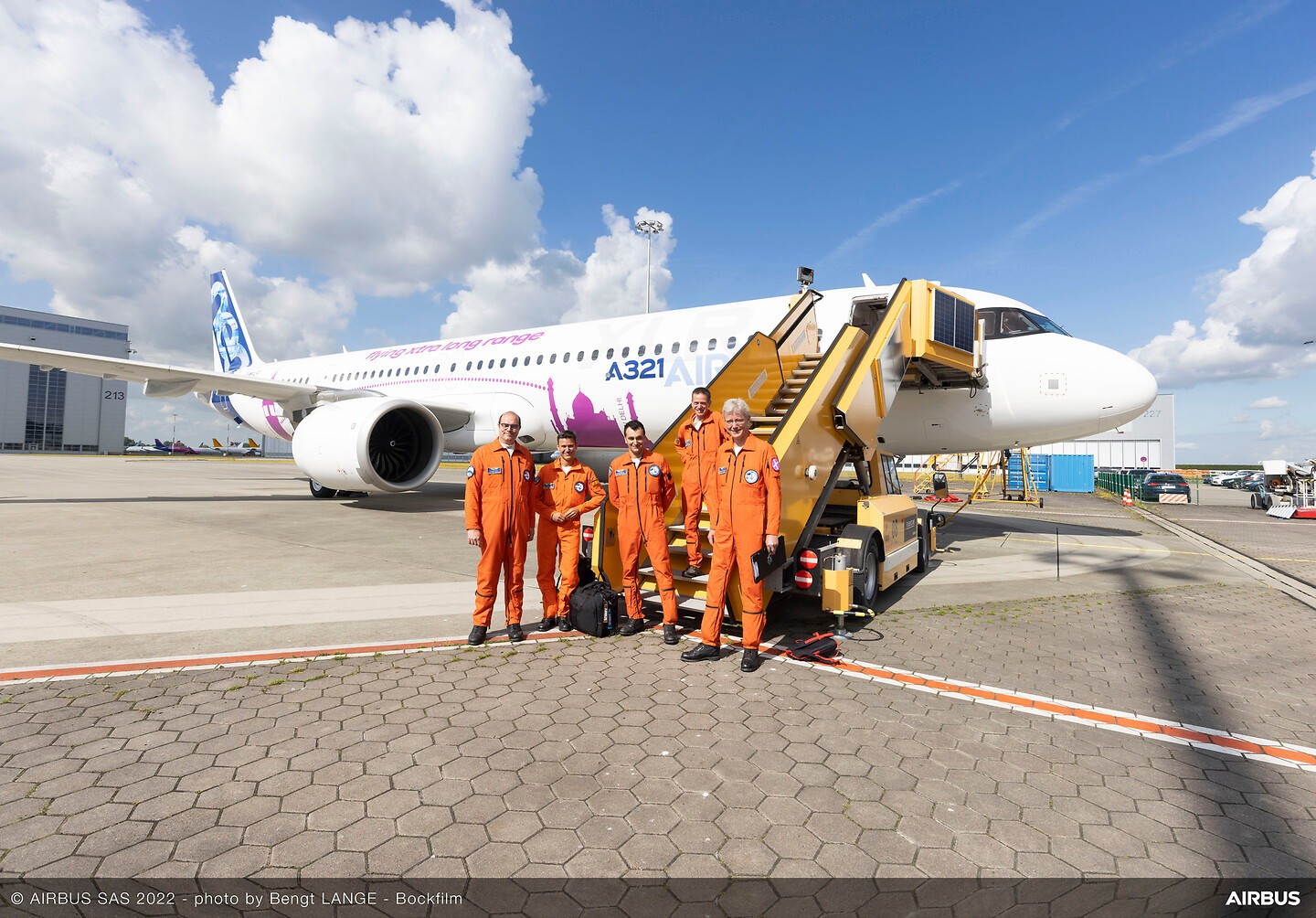
From a technical perspective, the A350 platform is already a staple in long-distance aviation, but the ULR variant pushes these boundaries further. By optimizing the airframe for maximum range, manufacturers are effectively reducing the need for stopovers, which in turn simplifies logistics for international carriers and improves the overall passenger experience by minimizing transit times on global routes.
The Testing Campaign: What Happens Next?
The maiden test flight is only the beginning of a comprehensive validation process. According to official project timelines, the aircraft will undergo a rigorous two-month testing campaign. This phase is essential for collecting flight data under various conditions to verify that the aircraft’s systems—ranging from avionics to environmental control—perform reliably during the extended flight cycles that define ultra-long-haul missions.
The goal of these 80 hours of flight testing is to collect performance metrics that will be used to finalize the aircraft’s certification. These tests are not just about flight endurance; they include stress testing critical components that are subjected to prolonged exposure to high-altitude environments. This systematic approach ensures that safety remains the primary focus as the aircraft approaches its eventual entry into commercial service.
Key Milestones for Project Sunrise
- Maiden Test Flight: Successfully completed, confirming the structural integrity of the initial build.
- Endurance Testing: An 80-hour campaign designed to simulate operational conditions across diverse flight profiles.
- Certification Phase: A multi-month process ensuring the aircraft meets global aviation safety standards for commercial operations.
Why Extended Range Matters for Global Connectivity
In our increasingly interconnected world, the demand for non-stop flights between distant hubs continues to grow. Passengers and logistics networks alike benefit from the efficiency of direct travel, which bypasses the complexities of intermediate hubs. As a technology editor, I often observe how these incremental gains in hardware—such as the advancements seen in the A350—translate into broader shifts in how we conduct international business and travel.
The integration of advanced materials and high-efficiency engine architecture allows airlines to push the limits of what was previously considered impossible. Airbus continues to maintain its position as a major player in this field, with a long history of developing aircraft that serve diverse needs, from commercial passenger transport to specialized missions. The company’s focus on long-term sustainability, coupled with its commitment to innovation, underscores the importance of these test flights in the broader context of the aerospace industry.
Looking Toward the Future
As the testing campaign progresses, the industry will be watching closely for updates on the aircraft’s performance metrics and the finalized timeline for commercial rollout. For now, the successful maiden flight serves as a testament to the rigorous design and engineering standards maintained by the team at Airbus. As we move closer to the next phase of development, we can expect more information to be released through official channels regarding the aircraft’s operational readiness.
The next confirmed checkpoint for this project will be the conclusion of the two-month testing campaign, after which stakeholders will review the data to determine the next steps for certification and delivery. We will continue to track these developments as they unfold, providing you with the most accurate and up-to-date analysis on the future of aviation technology. If you have thoughts on the future of ultra-long-haul travel or questions about the technology behind these advancements, feel free to share your comments below.