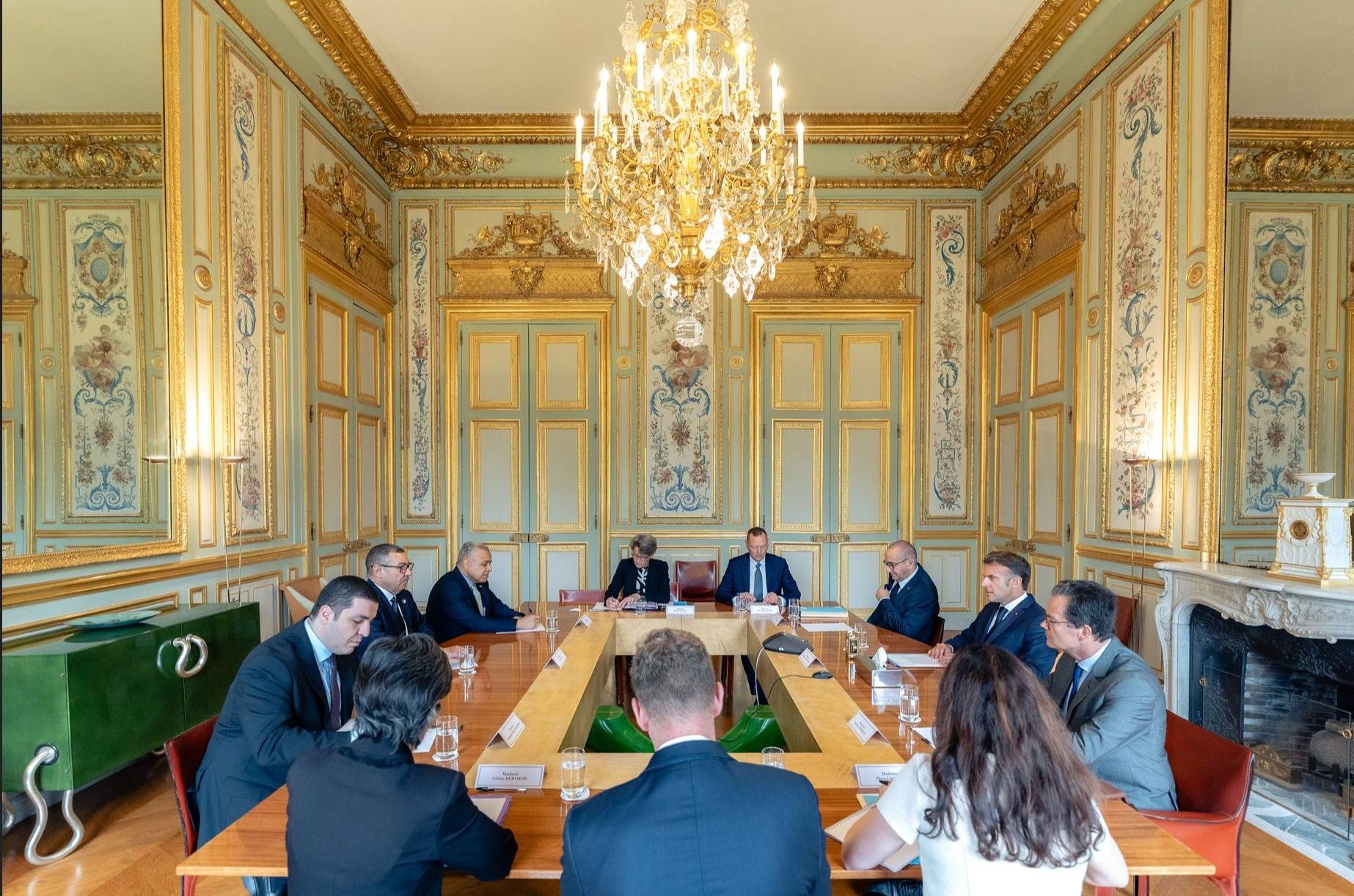
In a significant move aimed at strengthening bilateral ties, Algerian Minister of Foreign Affairs Ahmed Attaf recently held high-level discussions in Seoul with his South Korean counterpart. This diplomatic engagement comes as Algeria continues to recalibrate its international trade and investment strategy, seeking to deepen cooperation with key Asian partners in sectors ranging from energy transition to industrial infrastructure. For global observers, these talks underscore a broader trend of North African nations diversifying their economic alliances beyond traditional European markets.
The meeting in Seoul highlights the growing importance of the Algeria-South Korea partnership, a relationship that has historically been anchored in large-scale infrastructure projects and energy cooperation. As Algerian officials look to modernize their domestic industrial base, the expertise offered by South Korean firms in technology, telecommunications, and maritime logistics remains a central point of interest for policymakers in Algiers. The discussions in South Korea follow a series of recent diplomatic overtures designed to align Algeria with emerging global economic powerhouses, as detailed by the Algerian Ministry of Foreign Affairs.
Strategic Economic Realignment
The core objective of these diplomatic exchanges is to move beyond conventional commodity trading toward a more integrated economic partnership. South Korea, which has successfully navigated its own industrial transformation over the past five decades, provides a template that Algerian planners are keen to study. During the talks, the focus shifted toward potential investments in renewable energy, a priority sector for Algeria as it looks to meet its 2030 climate goals, which involve shifting a significant portion of its power generation to solar and wind capacity, according to reports from the International Energy Agency.
For the Algerian business sector, the significance of this diplomatic activity cannot be overstated. By securing closer ties with South Korean technical expertise, Algerian enterprises stand to benefit from technology transfers that could enhance productivity in the manufacturing and water desalination sectors. These industries are vital for Algeria’s ongoing efforts to reduce its reliance on hydrocarbon exports and foster a more resilient, diversified domestic economy. The international business community is watching these developments closely, as they signal a potential increase in foreign direct investment (FDI) opportunities for firms capable of navigating the North African regulatory landscape.
Key Pillars of Cooperation
While the specifics of the recent agreements remain under review, the framework for cooperation between the two nations generally rests on several critical pillars:
- Energy Transition: Collaborating on green hydrogen and solar energy infrastructure projects.
- Industrial Modernization: Leveraging South Korean expertise to upgrade Algerian manufacturing facilities.
- Maritime and Logistics: Strengthening supply chain connections to facilitate easier trade access between the Mediterranean and East Asian markets.
- Digital Transformation: Expanding cooperation in telecommunications and smart city development.
These initiatives are supported by ongoing bilateral agreements that prioritize sustainable development. As noted by the World Bank in its recent country assessment, Algeria’s ability to attract foreign capital depends largely on its commitment to regulatory reform and the simplification of investment procedures for international partners.
The Diplomatic Context: A Global View
Ahmed Attaf’s presence in Seoul is part of a wider diplomatic calendar that has seen Algerian officials traversing the globe to reinforce the nation’s non-aligned stance while pursuing pragmatic economic benefits. By maintaining active communication channels with both Eastern and Western powers, Algeria is positioning itself as a strategic bridge in the Mediterranean. This “multi-vector” diplomacy allows the country to mitigate the risks associated with global market volatility, particularly in the energy sector, where price fluctuations directly impact national revenue streams.
the engagement with South Korea serves as a counterweight to the intense focus on European energy security. While Algeria remains a primary supplier of natural gas to Italy and Spain, the push for deeper ties with Seoul demonstrates a desire to balance these dependencies with high-value technical partnerships. This strategy is essential for a nation with a young, growing workforce that requires the creation of high-skilled jobs in the private sector to ensure long-term stability and growth.
What Lies Ahead
As these diplomatic discussions transition into actionable policy, the international community will be looking for concrete signs of progress, such as the signing of new memorandums of understanding (MoUs) or the announcement of joint venture projects. The next significant checkpoint for these bilateral relations will likely involve follow-up ministerial committees tasked with overseeing the implementation of the initiatives discussed in Seoul. These committees are expected to provide detailed updates on project feasibility and funding structures in the coming quarters.
For investors and business analysts, the takeaway is clear: Algeria is actively seeking to internationalize its industrial base. While the path to structural economic reform is complex, the consistent engagement with high-tech economies like South Korea suggests a clear trajectory toward modernization. We will continue to monitor these developments as they unfold, providing updates on any new trade agreements or investment frameworks that emerge from these ongoing diplomatic efforts.
What are your thoughts on Algeria’s current economic pivot toward Asian partnerships? Join the conversation in the comments section below or share this article with your professional network to keep the discussion going.
Worth a look