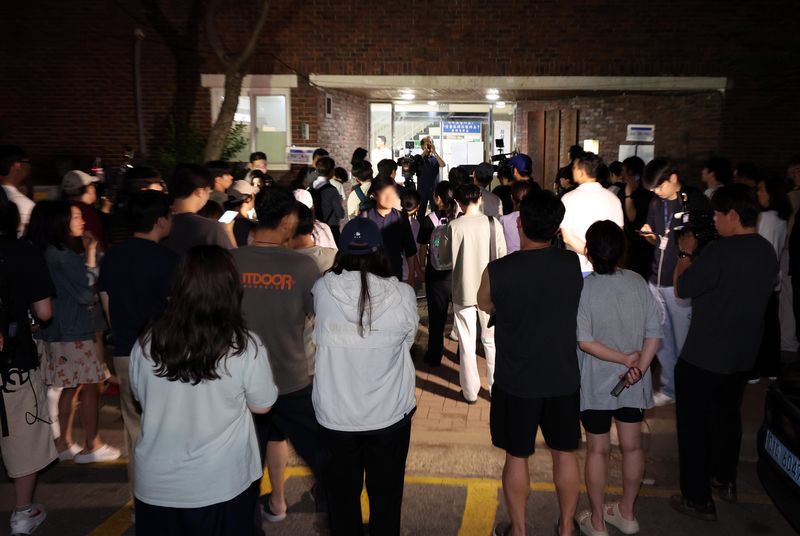
The integrity of electoral processes remains a cornerstone of democratic stability, yet recent events in South Korea have underscored the fragility of logistical preparedness during regional elections. On June 3, 2026, reports surfaced regarding a significant ballot paper shortage that disrupted voting in several districts, leading to immediate public backlash and formal legal challenges against the National Election Commission (NEC).
As citizens arrived at polling stations to cast their ballots, they were met with unforeseen obstacles that sparked widespread frustration. The logistical failure to provide a sufficient quantity of ballots has prompted civic organizations to take decisive action, filing official complaints against the national body responsible for overseeing the administration of elections. This development highlights critical concerns regarding administrative oversight and the potential for voter disenfranchisement in high-stakes regional contests.
The Impact of Logistical Failures on Voter Access
The core of the current controversy centers on the National Election Commission’s inability to maintain adequate supplies of ballot papers at designated polling locations. For many voters, the experience of arriving at a station only to be turned away or forced to wait due to supply shortages is not merely a bureaucratic inconvenience—it is a barrier to the fundamental right to vote. In democratic systems, the state carries an affirmative duty to ensure that the mechanics of voting are accessible and reliable.
When election administrators fail to anticipate the volume of voters or mismanage the distribution of materials, the resulting chaos often erodes public trust. The recent filings by civic groups serve as a formal mechanism for accountability, demanding that the NEC explain how such a breakdown occurred during a scheduled election day. Such legal actions are essential for ensuring that future electoral cycles are insulated from similar administrative errors.
Understanding the Legal and Administrative Scrutiny
Legal challenges following election irregularities often focus on whether the administrative body acted with the necessary diligence required by election law. In this instance, the focus of the complaint lies in the perceived negligence of the NEC in managing the logistical supply chain. While the specifics of the investigation are ongoing, the primary concern for observers is whether the shortage was a result of systemic failure or localized mismanagement.
Administrative accountability is vital in maintaining the legitimacy of election results. When citizens feel that their ability to participate is being hampered by administrative incompetence, the perceived fairness of the entire election can be called into question. The ongoing legal scrutiny aims to determine the extent of the commission’s liability and to mandate corrective measures that prevent a recurrence of these shortages in future regional and national elections.
Public Sentiment and the Call for Transparency
Beyond the courtroom, the events of June 3 have resonated deeply with the public. Reports of citizens refusing to allow ballot boxes to be moved—often due to concerns over the security of the chain of custody amid the chaos—reflect a heightened state of vigilance among the electorate. This grassroots insistence on transparency acts as a safeguard, ensuring that the process remains observable and verifiable even when the institutions tasked with managing it falter.
For the National Election Commission, the challenge now lies in restoring confidence. Transparency in the aftermath of these incidents is not optional; it is a requirement for democratic health. Providing clear, timely updates regarding the investigation and the specific causes of the ballot shortages is the only path toward mitigating the damage caused to the public’s perception of election integrity.
Next Steps in the Electoral Review Process
The situation remains fluid as authorities begin to review the formal complaints filed against the election commission. At this juncture, the next confirmed steps involve a thorough review of the administrative logs from the affected polling stations to identify where the supply chain failed. Stakeholders, including political representatives and civil society watchdogs, are expected to monitor the progress of these reviews closely to ensure that the investigation is conducted with full transparency.
As the situation develops, citizens are encouraged to monitor official announcements from the National Election Commission for updates on administrative reforms or upcoming hearings related to these filings. Maintaining an informed electorate is the most effective defense against the recurrence of such failures. We invite our readers to share their thoughts and experiences regarding these events in the comments section below, as we continue to track this developing story.
Keep reading