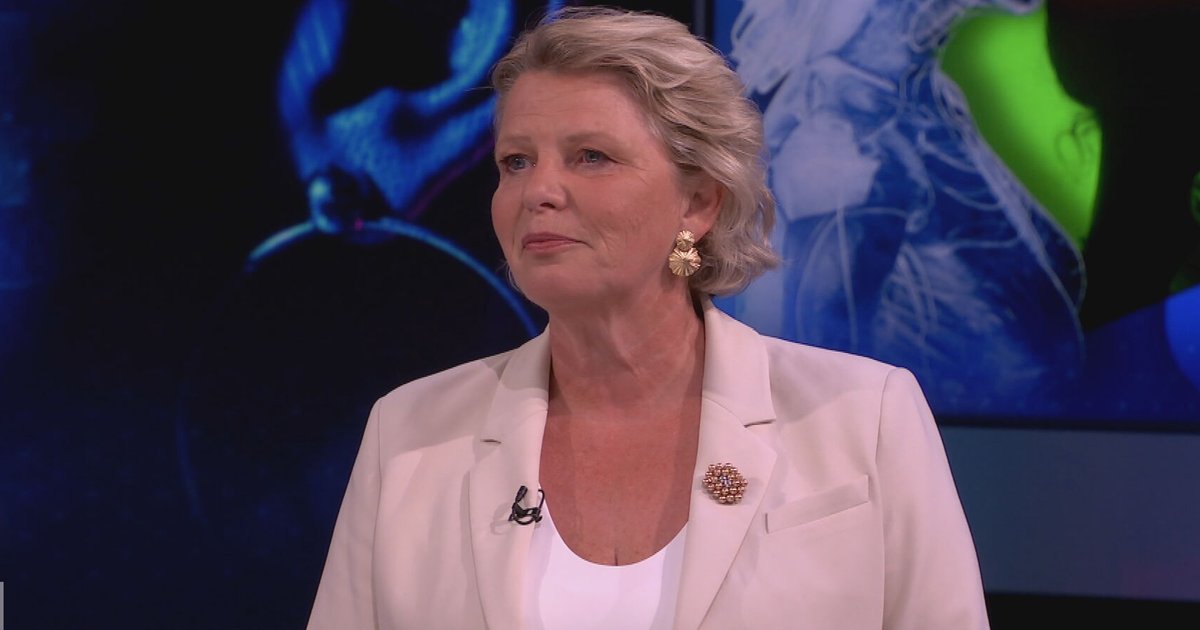
One year after the official launch of the Dutch National Strategy for Women’s Health (Nationale Strategie Vrouwengezondheid), critics and medical advocates report a distinct lack of progress and concrete planning. Initiated to address systemic inequalities in medical research, diagnosis, and treatment for women, the framework currently lacks the budgetary backing and institutional momentum required to effect real change, according to public health commentators and reporting by EenVandaag.
The strategy, which aimed to close the persistent gender gap in healthcare where women frequently experience misdiagnoses or receive treatments tested predominantly on male subjects, has stalled at the administrative level. Medical professionals and patient advocacy groups argue that the responsible government officials have failed to attach proper urgency or dedicated funding to the initiative, leaving hospitals and researchers without clear directives.
Gender-specific medicine remains a neglected discipline within standard clinical education and institutional funding allocations across the Netherlands. While the formal introduction of the national strategy generated optimism among healthcare advocates twelve months ago, the absence of an operational timeline has raised serious questions regarding executive commitment to women’s health outcomes.
The Implementation Gap in Dutch Women’s Health
Medical research has historically sidelined female participants in clinical trials, creating a significant knowledge deficit regarding how diseases manifest, progress, and respond to pharmacological interventions in women. Conditions such as cardiovascular disease, autoimmune disorders, and chronic pain syndromes often present distinct symptoms in female patients that do not align with traditional diagnostic criteria established through male-centric research.
When the Dutch government introduced the National Strategy for Women’s Health, stakeholders anticipated structural reforms in medical curricula, targeted research grants, and mandatory data disaggregation by sex. However, healthcare providers point out that these goals remain largely aspirational. Without binding policy targets or dedicated financial resources, medical centers struggle to implement systematic changes in patient care.
Critics interviewed by EenVandaag emphasize that political inertia is the primary barrier preventing the strategy from moving past the conceptual stage. Ministries have been slow to establish clear supervisory bodies or accountability metrics to track whether healthcare institutions are adopting gender-sensitive protocols.
Systemic Consequences of Delayed Action
The human cost of delayed healthcare reform manifests in prolonged diagnostic odysseys for women suffering from complex chronic illnesses. Conditions like endometriosis, myalgic encephalomyelitis/chronic fatigue syndrome (ME/CFS), and cardiovascular anomalies continue to face underfunding and diagnostic delays.
Furthermore, pharmacological safety remains a critical concern. Women experience adverse drug reactions at significantly higher rates than men, largely because standard dosages and side-effect profiles have historically been calibrated using male physiological baselines. The national strategy was intended to rectify these clinical oversights by mandating balanced representation in clinical studies and accelerating post-market surveillance specifically stratified by sex.
Healthcare workers on the ground report that administrative encouragement without structural enforcement achieves minimal results. Hospital boards and academic medical centers require targeted financial incentives and regulatory mandates to overhaul legacy protocols and prioritize sex-specific medicine in everyday clinical practice.
Stakeholder Demands for Accountability
Medical associations and patient advocacy collectives are stepping up pressure on the Ministry of Health, Welfare and Sport to publish a transparent, time-bound action plan with measurable milestones. Representatives argue that a strategic document without enforcement mechanisms functions merely as a statement of intent rather than a actionable public health policy.
As discussions continue between medical professionals and policymakers, the overarching demand centers on resource allocation. Fixing systemic gender disparities in medicine requires sustained financial investment in specialized research infrastructure and mandatory educational modules for medical students and practicing clinicians alike.
Official parliamentary inquiries and scheduled health committee debates in the coming months are expected to address the sluggish rollout of the strategy, providing an arena for lawmakers to press the ministry for concrete timelines and committed budgets.
Related reading