The Evolution of Mobile Optics: Analyzing the Speculation Surrounding iPhone 18
As we look toward the future of smartphone hardware, the intersection of mobile photography and traditional optical physics has become a focal point for industry analysts and enthusiasts alike. The latest cycle of rumors concerning the iPhone 18—specifically the potential introduction of a variable aperture system—has sparked a broader conversation about how far manufacturers can push the physical limitations of thin-form-factor devices. While Apple has yet to comment on future product roadmaps, the discourse surrounding upcoming hardware iterations highlights the ongoing tension between camera performance, manufacturing costs, and device ergonomics.
In the world of professional photography, a variable aperture is a standard tool, allowing photographers to manipulate depth of field and light intake with precision. Bringing this to a smartphone, however, presents a significant engineering challenge. Integrating mechanical components that move within the constrained chassis of a high-end handset requires not only innovation in miniaturization but also a careful balance of durability and thermal management. As noted by industry observers tracking Apple’s ongoing development of mobile camera technologies, the shift toward more complex optical modules often necessitates a total redesign of internal layouts.
The Engineering Reality of Variable Aperture Systems
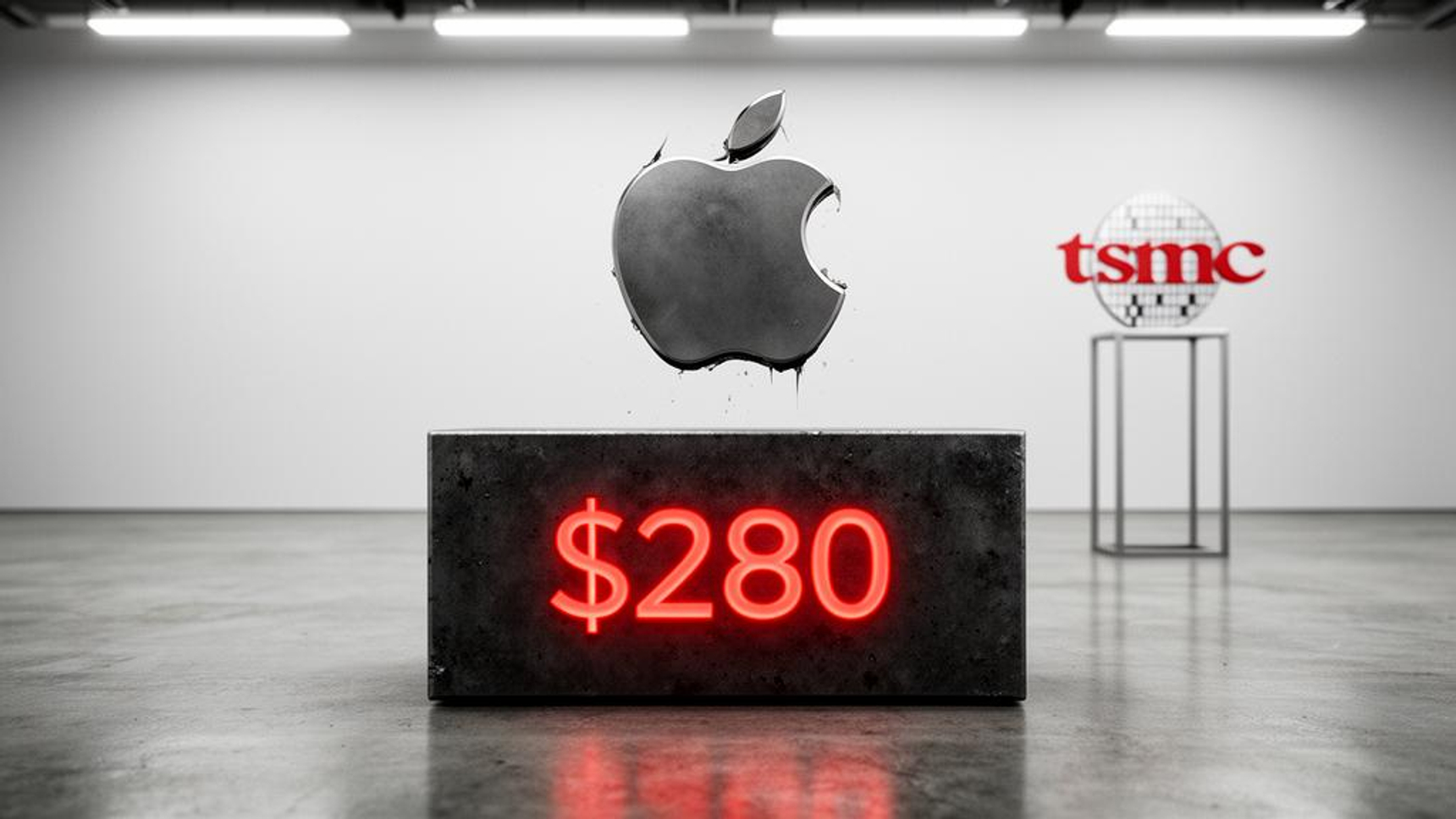
The core of the current industry speculation centers on whether Apple will adopt a physical variable aperture for its flagship devices. From an engineering perspective, the benefits are clear: improved low-light performance and the ability to achieve a natural “bokeh” effect without relying solely on computational photography. However, implementing these features at scale is a monumental task. The increased complexity of the lens assembly often correlates with higher manufacturing costs, a factor that is increasingly scrutinized by investors and supply chain analysts.
Beyond the cost, there is the issue of physical weight and space. Every additional moving part within a smartphone camera module occupies precious internal volume—space that is typically reserved for larger batteries or advanced thermal cooling solutions. According to reports from global technology industry analysts, managing the “bill of materials” (BOM) while simultaneously increasing the complexity of hardware components is one of the primary constraints facing smartphone manufacturers today. For a company like Apple, which prides itself on the structural integrity and aesthetic consistency of its Pro-series devices, any addition that compromises weight or battery life would require a significant trade-off elsewhere in the design.
Market Positioning and the “Pro” Distinction
Speculation has also turned toward how a potential hardware split—where advanced features are reserved exclusively for “Pro” models—might affect the broader consumer market. Historically, Apple has used its Pro lineup to test and scale new technologies, from the initial introduction of LiDAR scanners to the transition to titanium enclosures. If the company were to introduce a significantly more expensive, high-spec camera system, it would likely be positioned as the primary differentiator between its base-tier and flagship offerings.
This strategy is not unique to the smartphone industry. it is a common practice in consumer electronics to segment products to cater to different price sensitivities. As detailed in recent financial sector analyses of the mobile hardware market, the widening gap between standard and Pro models reflects a shift in consumer behavior, where a subset of users is increasingly willing to pay a premium for “DSLR-level” capabilities in a pocket-sized device. However, this creates a challenge for the manufacturer: how to maintain a cohesive brand experience while the hardware disparity between tiers continues to grow.
Navigating the Rumor Mill
It is essential for consumers to distinguish between patent filings, supply chain leaks, and official product announcements. Apple’s R&D department frequently patents technologies that may never reach the production stage. Patent applications provide a window into the company’s research interests, but they do not serve as a roadmap for upcoming releases. When evaluating rumors regarding the iPhone 18 or any future model, it is helpful to look for consistent patterns in component procurement and analyst reports from credible, long-standing industry sources.
For those interested in the future of mobile technology, the best approach is to monitor Apple’s official newsroom for verified updates. Often, the most significant leaps in technology—such as the integration of advanced machine learning chips or new display technologies—are announced with clear documentation of their real-world benefits. While the prospect of a variable aperture camera is an exciting concept for photography enthusiasts, its inclusion remains entirely speculative until formally confirmed by the manufacturer.
What Lies Ahead
As we move through the current product cycle, the focus remains on incremental improvements in sensor size, lens quality, and software-driven image processing. Whether or not a variable aperture becomes a reality, the drive for “DSLR-level” quality will continue to push the boundaries of what is possible in mobile engineering. For now, the “extraordinary” claims regarding manufacturing costs and weight remain part of the broader, often volatile, conversation regarding the next generation of mobile hardware.
As we await official word from Cupertino regarding future hardware iterations, we encourage our readers to share their thoughts. Are you prioritizing camera hardware, or is the integration of AI-driven software more important to your photography experience? Join the conversation in the comments below, and stay tuned to our Tech section for verified updates as they become available.