
In the landscape of European social welfare, the power of individual civic action is often underestimated. Across the continent, mechanisms such as the “five per thousand” (cinque per mille) in Italy—a policy that allows taxpayers to allocate a portion of their income tax to non-profit organizations—serve as a vital bridge between public resources and essential social services. Engaging in psychosocial rehabilitation support is not merely a bureaucratic gesture; it is a profound commitment to the health and dignity of vulnerable populations who rely on specialized care to navigate their path toward integration.
As we navigate the complexities of modern healthcare systems, state-funded medical infrastructure cannot address every facet of recovery. Psychosocial rehabilitation represents a critical intersection of clinical medicine, psychology and social work. By choosing to direct support toward organizations dedicated to these causes, citizens ensure that programs focused on housing, psychological assistance, and the protection of civil rights remain operational, and effective. This is the essence of community-driven health policy: providing the necessary framework for individuals to reclaim their autonomy.
The Clinical Significance of Psychosocial Rehabilitation
From my perspective as a physician, the term “rehabilitation” often evokes images of physical therapy or post-surgical recovery. However, in the context of mental health and social integration, psychosocial rehabilitation is equally transformative. According to the World Health Organization, mental health is a fundamental human right, yet millions globally face barriers to the care they need. Comprehensive support goes beyond medication; it encompasses the development of interpersonal skills, vocational training, and the creation of safe environments that prevent the social isolation often associated with chronic mental health conditions.
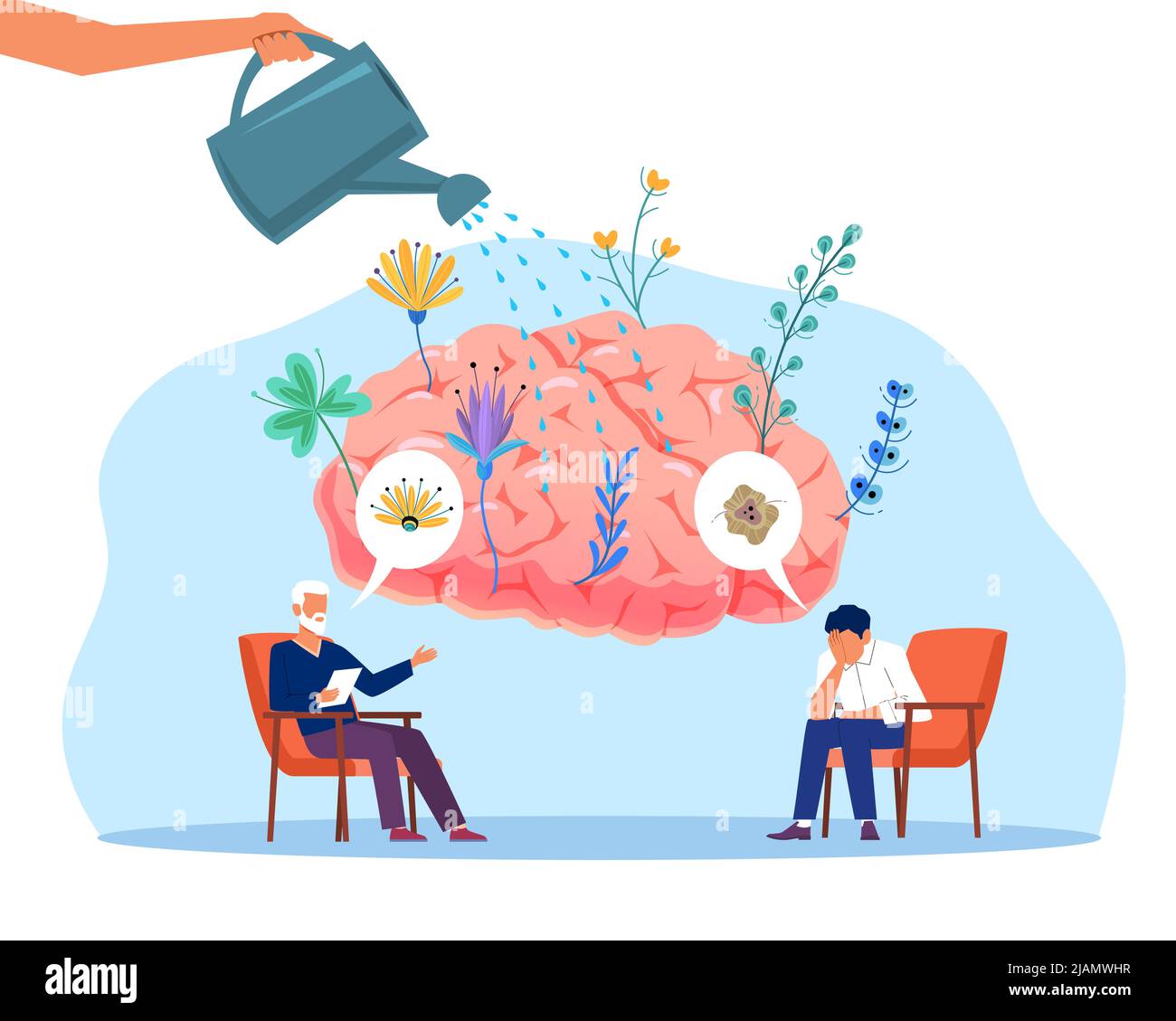
When an organization commits to providing “accoglienza” (reception) and “assistenza” (assistance), they are performing a clinical function that hospitals are often ill-equipped to provide. By fostering environments where patients can build social networks and receive consistent psychological support, these entities reduce the rate of relapse and hospital readmission. Data from the OECD Health at a Glance: Europe 2024 report highlights that investing in community-based mental health services is one of the most cost-effective strategies for improving long-term public health outcomes.
How Civic Participation Shapes Healthcare Policy
The decision to utilize legal mechanisms for charitable giving is a form of “participatory health policy.” When taxpayers decide where their contributions go, they are effectively signaling to the government which social issues deserve prioritized funding. This is particularly important for marginalized groups who may lack the political capital to lobby for state resources. By supporting entities that focus on the protection of rights, citizens ensure that the legal framework surrounding disability and mental health is actively defended.

In many European jurisdictions, the legal frameworks governing these donations are strict and transparent. For instance, the Italian revenue agency, the Agenzia delle Entrate, maintains rigorous guidelines for the five per thousand allocation, ensuring that funds are directed only to registered, tax-compliant entities. This transparency is crucial. It protects the integrity of the sector and ensures that your contribution—whether modest or significant—reaches the intended projects of rehabilitation and psychological support.
Key Takeaways for Informed Giving
- Verify the Entity: Always ensure the organization is registered with the appropriate national tax or health authority. Transparency is the hallmark of a credible non-profit.
- Focus on Outcomes: Look for organizations that provide clear reports on their psychosocial programs, such as housing success rates or vocational placement data.
- Understand the Impact: Your contribution supports the “hidden” costs of healthcare, such as counseling, legal advocacy, and community outreach, which are often not covered by standard insurance.
- Consistency Matters: Regular, long-term support allows these organizations to plan multi-year initiatives rather than relying on sporadic, short-term funding.
The Path Forward: Beyond the Signature
While a single signature on a tax form may seem like a small act, its cumulative effect is massive. When thousands of individuals align their support toward evidence-based psychosocial rehabilitation, they create a safety net that is resilient and responsive to the needs of the community. This is not just about charity; it is about building a robust social infrastructure that recognizes the dignity of every individual, regardless of their health status.
As we look to the future, the integration of digital health tools and community-based support will likely become even more vital. We are entering a phase where the “patient experience” is no longer confined to the clinic walls. The focus is shifting toward holistic, long-term recovery models that emphasize social inclusion and human rights. By participating in these funding mechanisms, you are not just signing a document; you are investing in a future where healthcare is truly comprehensive, accessible, and compassionate.
For those interested in the latest developments regarding social health funding, I encourage you to monitor the official portals of your national health ministries or the European Health Observatory for upcoming policy updates and annual reports on social care spending. These documents provide the most accurate picture of how your contributions are helping to shape the healthcare landscape.
Have you had experience with community-based psychosocial programs? How do you view the role of individual tax contributions in supporting public health? I invite you to share your thoughts in the comments section below as we continue to discuss the evolution of inclusive healthcare.
Worth a look
- Breast Cancer Patients At Risk: Essential Bone Density Test Doctors Recommend
- Actor Shin Hyun-joon’s Family Chosen as Seoul’s 4th ‘Seoul I Ambassador’ for Pregnancy and Childcare Policies
- Andy Burnham sees modest polling bounce but inherits record-low support (time.news)
- University of Iowa International Writing Program Secures Funding After Losing Federal Support (news-usa.today)