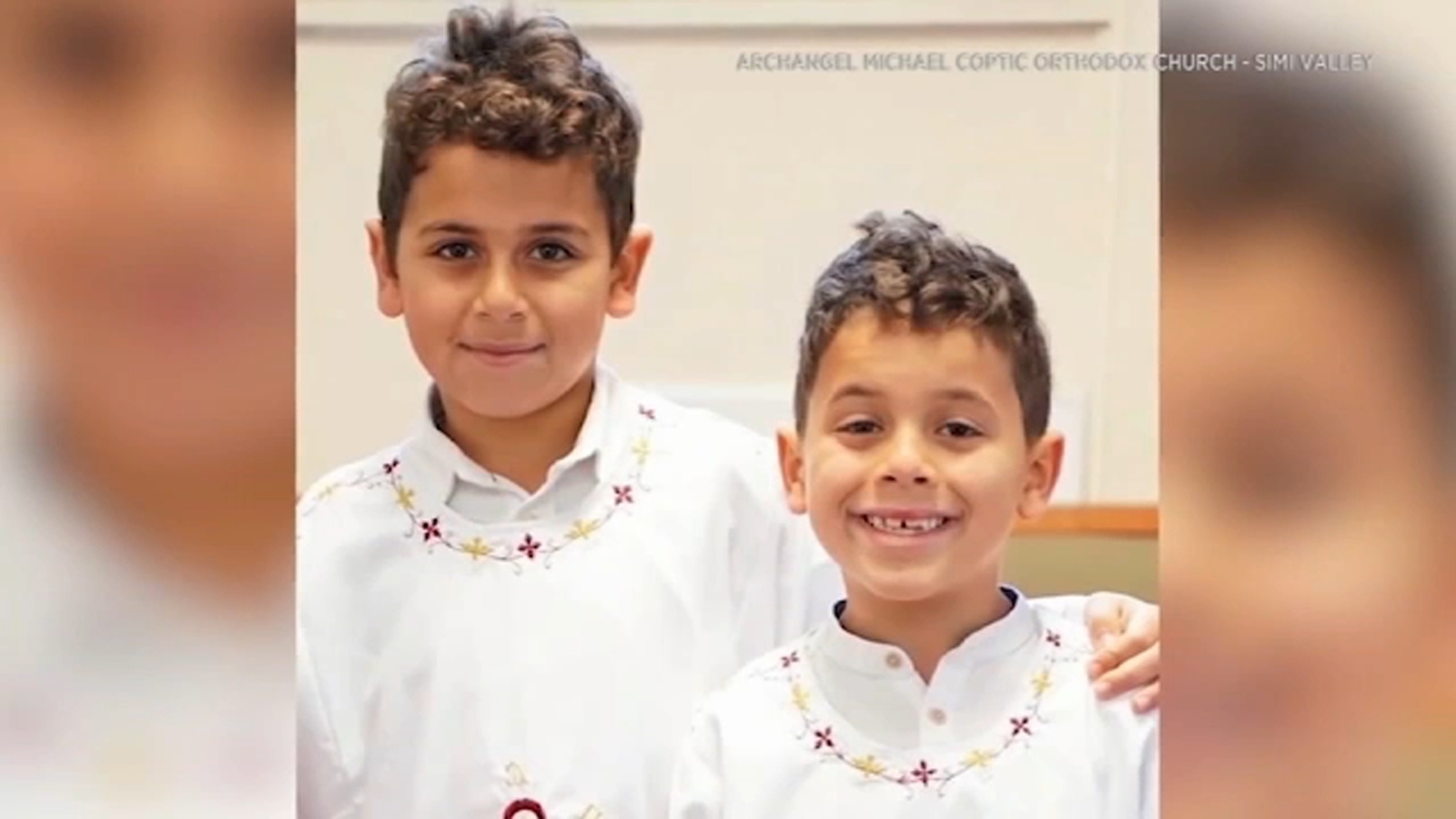
A Los Angeles County Superior Court jury has reached a significant verdict in a civil lawsuit arising from a tragic 2020 traffic collision in Westlake Village, California. The jury awarded $176 million in damages to the Iskander family, finding both Rebecca Grossman and former Major League Baseball player Scott Erickson negligent in the deaths of 11-year-old Mark and 8-year-old Jacob Iskander. The civil litigation, which ran parallel to and followed the criminal proceedings, sought to hold both parties accountable for their roles in the events that led to the loss of the two brothers.
The civil judgment, which serves as a major development in the legal aftermath of the Westlake Village crash, highlights the legal principles of shared liability in vehicular negligence cases. According to court records, the jury determined that the combined actions of the defendants created the conditions that resulted in the fatal incident. This $176 million award represents a significant milestone for the plaintiffs, who have sought justice since the September 2020 accident, an event that drew national attention due to the high-profile nature of the individuals involved and the profound impact on the local community, as reported by the Los Angeles Times.
Legal Context and Liability Findings
The civil trial centered on the events of September 29, 2020, when the two brothers were struck in a marked crosswalk. Rebecca Grossman, who was previously convicted in a criminal court of second-degree murder and other charges related to the incident, was found to be a primary party at fault. Her criminal conviction, finalized earlier in 2024, saw her sentenced to 15 years to life in state prison, as confirmed by the Los Angeles County District Attorney’s Office.
The inclusion of Scott Erickson in the civil liability finding adds a complex layer to the case. While Erickson was not criminally charged for the deaths, the civil jury concluded that his driving behavior contributed to the negligence that caused the collision. The legal standard for negligence in civil court differs from the “beyond a reasonable doubt” threshold required for criminal convictions, allowing for broader findings of responsibility in tort cases. This outcome underscores the distinction between criminal culpability and civil liability, where a jury may find that even without criminal charges, an individual’s conduct fell below the standard of care required to prevent harm to others.
Understanding the Impact of the Civil Award
The $176 million verdict is intended to address the profound losses suffered by the Iskander family. In civil law, such awards are often categorized into economic damages—which cover quantifiable losses—and non-economic damages, which address pain, suffering, and the loss of companionship. Legal analysts note that while such significant figures are often headline-grabbing, the actual recovery of funds depends heavily on the insurance coverage and personal assets of the defendants found liable.
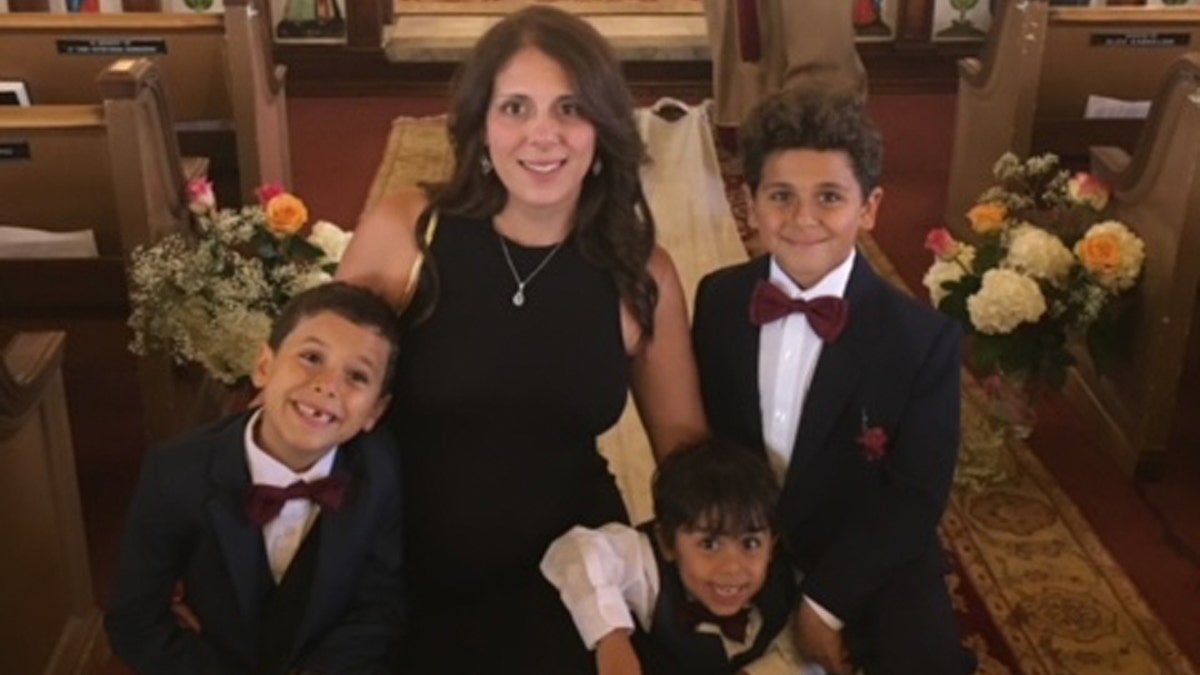
For the Iskander family, the conclusion of the civil trial marks the end of a long and arduous process of seeking accountability through the court system. Their legal representatives argued throughout the proceedings that the actions of both Grossman and Erickson—specifically the speed and manner in which they were driving their respective vehicles—created a lethal hazard for pedestrians in a residential area. The court’s decision validates the family’s pursuit of civil justice, providing a formal legal conclusion to the claims brought against the two motorists involved.
The Path Forward: What Happens Next
While the jury has delivered its verdict, the legal journey may not be entirely over. In civil litigation of this magnitude, defendants often have the right to file post-trial motions, which could include requests for a new trial or a reduction in the damage award. The collection of the $176 million will likely involve complex proceedings in probate or bankruptcy courts, depending on the financial standing of the parties involved. Official updates regarding the enforcement of this judgment will be documented through the Los Angeles County Superior Court case portal.
The case serves as a somber reminder of the life-altering consequences of reckless driving and the importance of traffic safety in residential neighborhoods. As the community continues to reflect on the loss of Mark and Jacob Iskander, the legal system has provided a definitive answer regarding the liability of those who were behind the wheel that evening. For those interested in monitoring further developments or understanding the nuances of California tort law, the California Courts website offers resources on civil litigation processes and rights for victims of negligence.
We will continue to provide updates as more information becomes available regarding the execution of this judgment or any subsequent legal challenges. If you have thoughts on the intersection of civil and criminal justice in high-profile cases, we invite you to join the conversation in our comments section below.
Worth a look