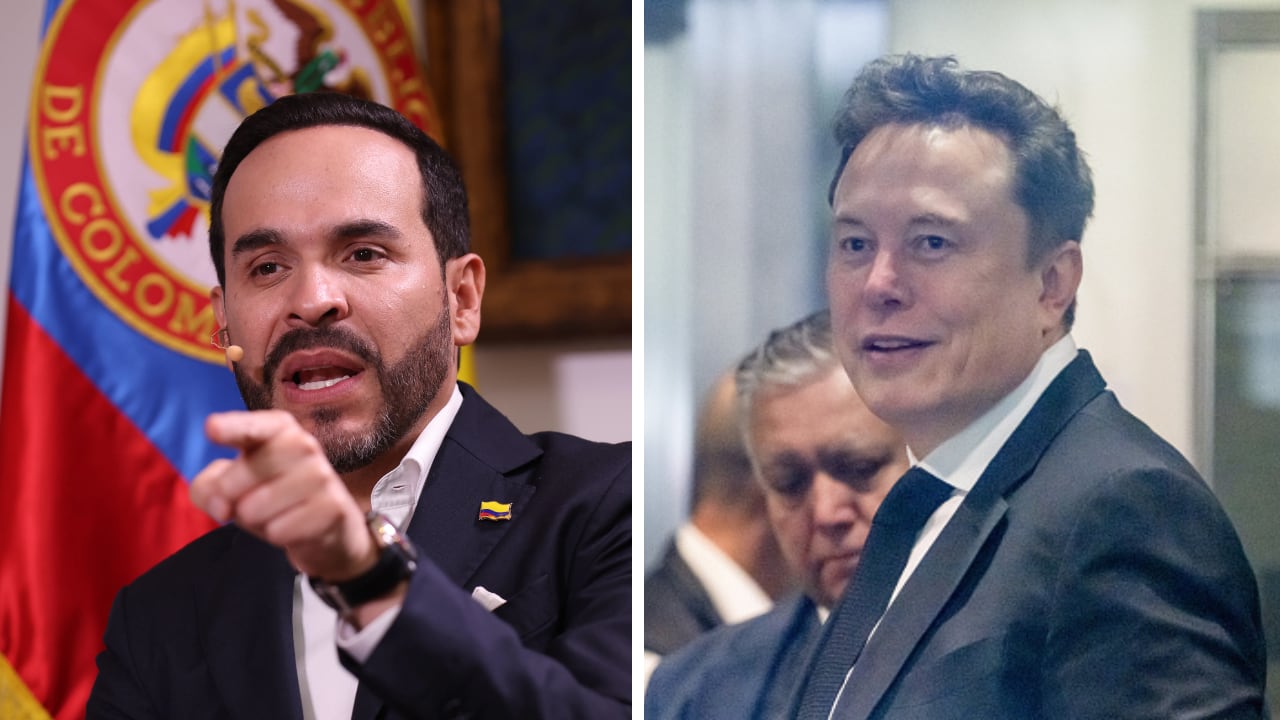
In a move that underscores the growing intersection between high-profile legal advocacy and global technology infrastructure, Colombian attorney Abelardo de la Espriella has publicly extended an invitation to Elon Musk. The proposal, which has garnered significant attention across social media platforms, centers on a potential partnership aimed at enhancing digital connectivity within Colombia. For a nation striving to bridge its persistent digital divide, the prospect of integrating advanced satellite-based solutions has become a focal point of recent economic discussions.
As we monitor the evolution of global telecommunications policy, it is essential to view such overtures through the lens of market viability and regulatory requirements. While the appeal for increased connectivity is a common theme in emerging markets, the implementation of services like Starlink—SpaceX’s satellite internet constellation—requires navigating complex national telecommunications frameworks. In Colombia, the Ministry of Information Technologies and Communications (MinTIC) holds the mandate for managing the radio frequency spectrum and overseeing the entry of new service providers.
The discussion surrounding Starlink’s expansion in Latin America is not merely a matter of private enterprise; it is deeply tied to the broader goals of national development. According to the Ministry of Information Technologies and Communications, the Colombian government has been actively pursuing initiatives to increase high-speed internet penetration in rural and underserved areas, aiming to reach a target of 85% connectivity by 2026. This objective provides a significant backdrop for any private entity looking to engage with the Colombian market.
The Mechanics of Connectivity: Starlink in the Colombian Landscape
Elon Musk’s SpaceX has been systematically expanding the reach of its Starlink service globally. The technology utilizes a low-Earth orbit (LEO) satellite network designed to provide high-speed, low-latency internet to locations where terrestrial fiber-optic infrastructure is either nonexistent or prohibitively expensive to install. In Colombia, the geographic challenges—ranging from the Andes mountain range to dense rainforest regions—have historically hampered the deployment of traditional broadband.
For any entity proposing a partnership or a significant investment, the regulatory environment is the first hurdle. As reported by the International Telecommunication Union (ITU), satellite service providers operating in sovereign territories must comply with specific licensing agreements and spectrum usage fees. For SpaceX, these operations are governed by the specific authorizations granted by the national regulator, ensuring that the services align with local security and technical standards.
The proposal by de la Espriella highlights a growing sentiment among regional stakeholders: that international technology giants are essential partners in accelerating the digital transformation of the Global South. By leveraging satellite constellations, the cost of reaching isolated communities is significantly reduced compared to laying thousands of kilometers of physical cable. However, success depends on the synergy between these private technological solutions and the public policy frameworks managed by the government.
Strategic Implications for South American Markets
The interest in Elon Musk’s ventures extends beyond simple internet access. It encompasses a broader interest in the “Musk ecosystem,” which includes electric vehicle infrastructure, space exploration logistics, and artificial intelligence development. For a country like Colombia, which has been positioning itself as a hub for regional innovation, attracting such high-level technological investment could have profound long-term economic benefits.
Data from the World Bank indicates that digital adoption is a key driver of productivity in emerging economies, particularly in the agricultural and logistics sectors. By integrating advanced satellite connectivity, Colombian businesses could potentially access global markets with greater efficiency, reducing the “digital tax” currently paid by rural enterprises that lack reliable internet.
However, analysts caution that such alliances must be balanced with local capacity building. The conversation initiated by high-profile figures like de la Espriella serves to bring visibility to these opportunities, yet the actual execution rests on technical feasibility studies and formal negotiations between SpaceX and the relevant Colombian authorities. There is no official record of a direct response from Musk or SpaceX to this specific invitation as of late 2024, highlighting the distinction between public advocacy and formal corporate diplomacy.
What Lies Ahead for Digital Infrastructure
As we look toward the future, the primary checkpoint for digital connectivity in Colombia remains the ongoing implementation of the “Conectividad para el Cambio” policy, which outlines the government’s roadmap for infrastructure investment. Stakeholders interested in this sector should monitor official updates from the Agencia Nacional del Espectro (ANE), which regulates the use of the radio spectrum in the country.

The intersection of celebrity advocacy and corporate strategy is a modern reality in business journalism. While the visibility generated by such proposals can stimulate public debate, the ultimate success of any connectivity project will be measured by its ability to provide sustainable, affordable, and secure access to the millions of Colombians who currently remain offline. We will continue to track developments in this space as regulatory filings and infrastructure projects evolve.
The global shift toward satellite-based connectivity is accelerating, and Colombia’s role in this transition remains a critical area of interest for investors and policymakers alike. We invite our readers to share their perspectives on the role of private satellite providers in national development in the comments section below, as we continue to monitor the intersection of technology and policy in the coming months.