
In the high-stakes theater of international relations, few nations occupy a position as complex or as scrutinized as Pakistan. As geopolitical tensions fluctuate between Washington and Tehran, Islamabad has increasingly found itself navigating a delicate path, attempting to leverage its historical ties with both the United States and the Islamic Republic of Iran to emerge as a pragmatic diplomatic broker. For observers of global markets and economic policy, this shift represents more than just a change in foreign policy; it is a strategic effort by Pakistan to reinvent its role on the world stage.
The concept of Pakistan as an unlikely mediator in Middle Eastern conflicts is not entirely new, but its application in the context of U.S.-Iran relations highlights how modern diplomacy has evolved toward more personal and transactional frameworks. By positioning itself as a bridge between these two powers, Islamabad is signaling a desire to stabilize its own regional security environment, which remains intrinsically linked to its economic recovery efforts and its standing with international financial institutions like the International Monetary Fund (IMF).
The Economic Imperative Behind Diplomatic Maneuvering
To understand why Pakistan is pursuing this role, one must look at the country’s current economic landscape. With a population exceeding 240 million people, Pakistan has faced significant macroeconomic challenges, including high inflation and strained foreign exchange reserves. The necessity for external financial support has forced a recalibration of its foreign policy, moving away from rigid bloc alignment toward a more flexible, interest-based approach.
Diplomacy, in this sense, serves as an economic tool. By reducing regional friction—particularly along its volatile border with Iran—Pakistan aims to foster an environment conducive to trade and energy cooperation. The Iran-Pakistan gas pipeline project, a long-stalled infrastructure initiative, remains a point of contention and potential opportunity. Despite pressure from U.S. Sanctions, Islamabad has consistently signaled that its domestic energy needs remain a top priority, illustrating the tension between its geopolitical alliances and its internal economic requirements.
Transactional Diplomacy in a Shifting Global Order
The shift toward transactional diplomacy is a global phenomenon, but it is particularly pronounced in Pakistan’s engagement with Western and regional powers. Under the administration of former President Donald Trump, the nature of U.S. Foreign policy shifted toward a more unpredictable and deal-oriented framework, which forced middle powers to adapt quickly. Pakistan’s ability to maintain open channels with both the White House and the leadership in Tehran is a testament to its long-standing diplomatic experience, even when those relationships are tested by conflicting regional interests.

This “personal” element of diplomacy often involves high-level visits and back-channel communications that bypass traditional bureaucratic hurdles. For Pakistan, the goal is to maintain relevance. By offering its services as a potential intermediary, Islamabad seeks to ensure that it remains a necessary partner for all parties involved, thereby safeguarding its own strategic interests. Whether this strategy will yield long-term stability or merely temporary relief remains a subject of intense debate among economic analysts and policy experts.
Key Takeaways: Pakistan’s Strategic Pivot
- Economic Necessity: Pakistan’s diplomatic outreach is largely driven by the urgent need to stabilize its economy and secure international support.
- Energy Security: Infrastructure projects, such as the Iran-Pakistan gas pipeline, remain critical, albeit complicated, objectives for the Pakistani state.
- Mediator Status: By maintaining ties with both Washington and Tehran, Islamabad attempts to leverage its position to mitigate regional tensions that could threaten its domestic stability.
- Transactional Shifts: The global move toward transactional diplomacy has influenced Pakistan to adopt a more flexible, interest-based foreign policy.
Challenges and Future Outlook
Despite these efforts, the path ahead for Islamabad is fraught with challenges. The primary obstacle remains the deeply entrenched mistrust between the United States and the Islamic Republic of Iran. Pakistan’s internal political dynamics and its ongoing engagement with the IMF mean that any diplomatic gamble could carry significant risks. If the country is seen as favoring one side too heavily, it could jeopardize the support it receives from the other, potentially exacerbating its economic fragility.
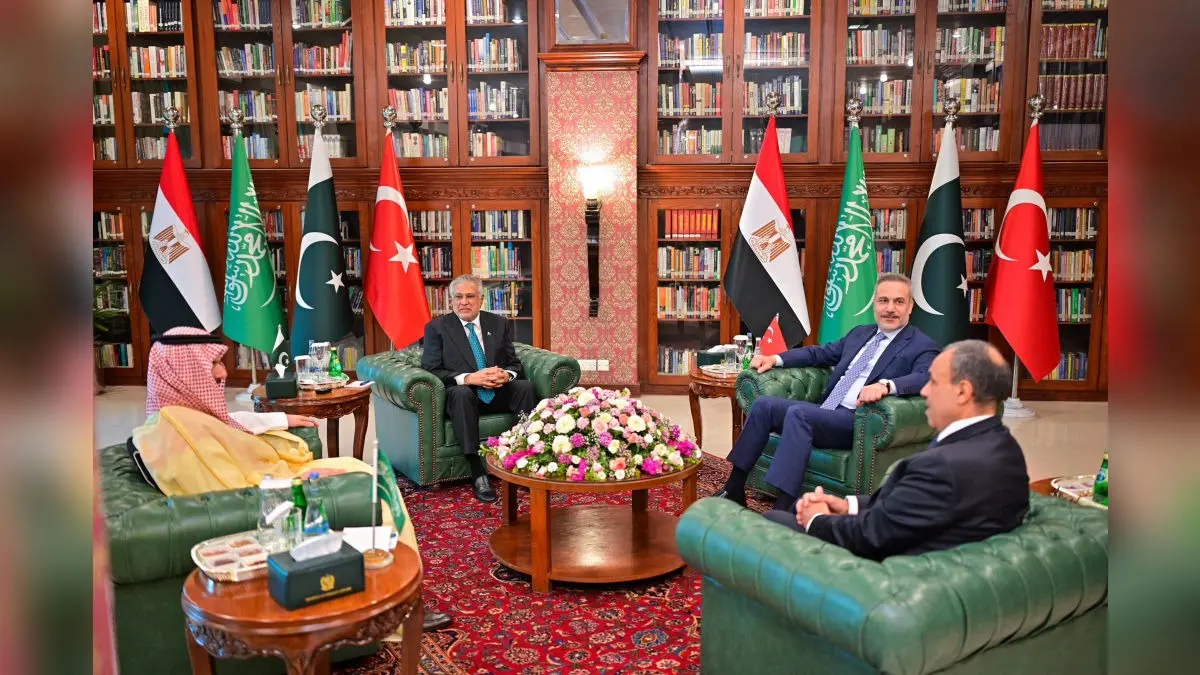
Looking forward, the success of this strategy will likely depend on the regional security climate. As of the most recent updates from the U.S. Department of State, the bilateral relationship with Pakistan continues to focus on economic cooperation and regional stability. However, the situation remains fluid. Investors and global observers should continue to monitor upcoming high-level summits and ministerial meetings for any concrete shifts in policy or new agreements that might signal a change in Pakistan’s regional standing.
For those interested in the granular details of these developments, official updates are regularly published through the Ministry of Foreign Affairs of Pakistan. As we continue to track these developments, Pakistan’s reinvention is a work in progress—one that will continue to shape the economic and political contours of South Asia for years to come.
What are your thoughts on the effectiveness of Pakistan’s diplomatic strategy? Share your perspectives in the comments section below and stay tuned to World Today Journal for the latest updates on global economic policy and international relations.
Keep reading
- Kiko Rivera Shuts Down Social Media to Recover After Second Stroke
- Palantir Stock Surges After Beating Earnings Expectations and Boosting Revenue
- Trump Administration Begins Systematic Appropriation of Japanese Manga (newsdirectory3.com)
- BP Q2 Profit Hits $5.7 Billion Amid Trump Criticism of Big Oil Windfalls (time.news)