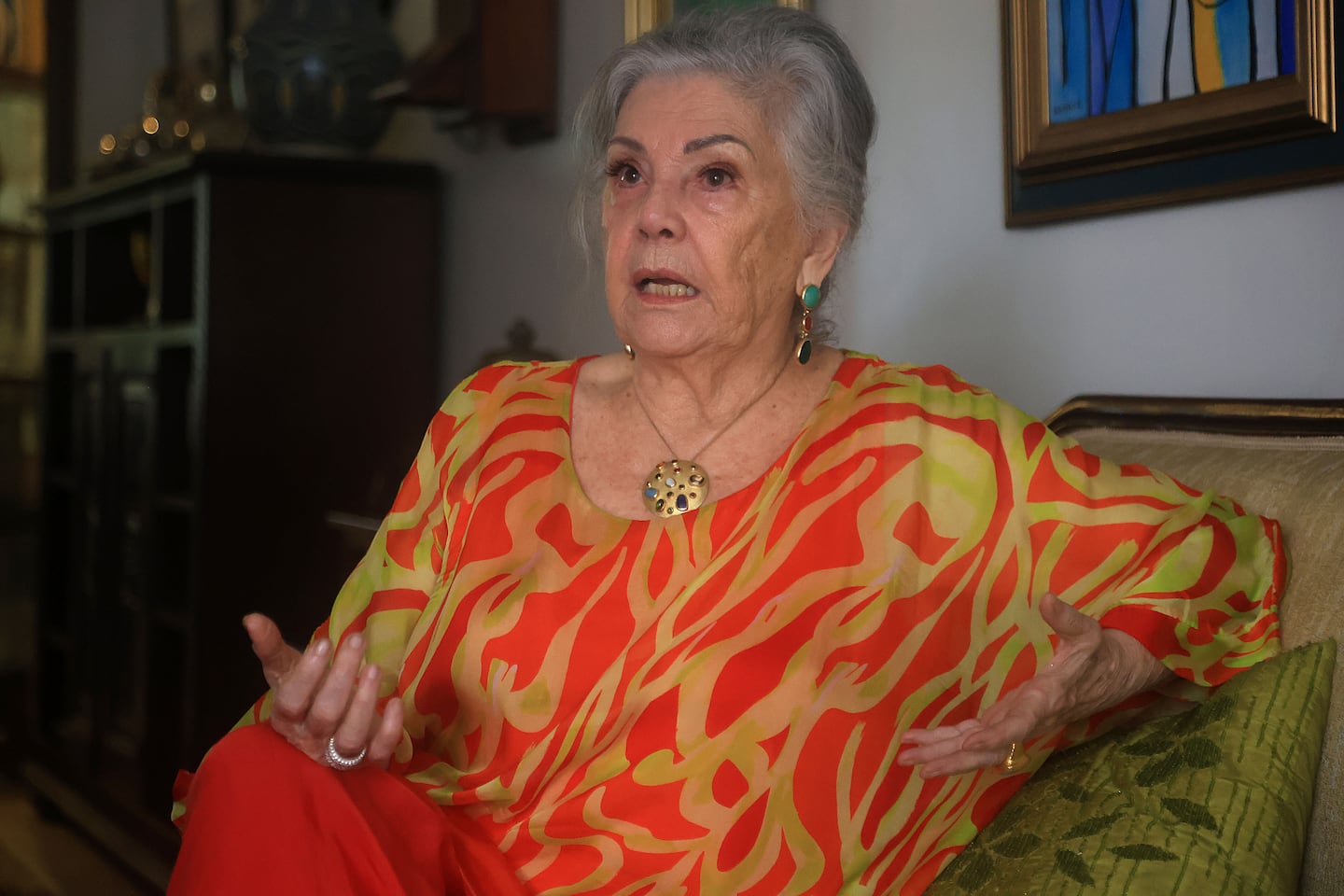
In a powerful testament to lifelong learning and personal resilience, Costa Rican actress Cecilia García has achieved a milestone that defies conventional timelines. At 80 years old, García recently celebrated her graduation with a law degree from Universidad Fidélitas, marking the culmination of a journey that spanned decades of secret study, personal challenges, and professional success in the arts.
For many, García is a familiar face from her work in theater, film, and television, including notable roles in productions such as La Pensión and El Barrio. However, behind the public persona of the seasoned performer lay a long-held ambition: the dream of becoming a lawyer, a goal she first envisioned at the age of 12. Her path to this achievement was far from linear, defined by societal expectations and the quiet determination to pursue education despite significant obstacles.
A Dream Deferred by Social Stigma
García’s pursuit of legal education was initially stifled by the cultural landscape of her youth. Reflecting on those years, she noted that persistent myths and stigmas surrounding women’s participation in higher education created a formidable barrier. Although she managed to enroll in university and complete general coursework as a young woman, her academic path was abruptly halted when she married at 19, with her family prohibiting her from continuing her studies.

The desire to learn, however, remained dormant rather than extinguished. Years later, after raising three children, García found a way to return to academia. She enrolled in a Communications program at the University of Costa Rica, but the pursuit was clandestine. To maintain her studies while balancing family responsibilities, she developed a rigorous and secretive routine. She famously camouflaged her textbooks and notebooks among her clothes in a briefcase, leaving for class only after ensuring her children were safely at school. To avoid being discovered, she dedicated her early morning hours to studying, often working in the quiet of the dawn.
Turning Points and the Final Chapter
The trajectory of García’s life shifted significantly in 2015 when she received a cancer diagnosis. Rather than viewing the illness as a finality, she used the experience as an inflection point to re-evaluate her personal priorities and reaffirm her commitment to her lifelong dream of studying law. Following her recovery, she pursued her degree with renewed focus.
“Lo haré hasta donde llegue…y llegué,” García remarked following her graduation, expressing a profound sense of satisfaction. Her accomplishment serves as a rare and inspiring narrative of perseverance, proving that the pursuit of professional and personal growth is not restricted by age or circumstance. Having successfully navigated the rigors of law school while maintaining a career in the arts, she has emerged as a symbol of academic tenacity.
Key Milestones in Cecilia García’s Journey
- Early Ambition: First aspired to study law at age 12.
- Societal Barriers: Education interrupted by family expectations following her marriage at 19.
- Secret Academic Life: Resumed studies in Communications at the University of Costa Rica while camouflaging books to keep her education private.
- The 2015 Catalyst: A cancer diagnosis served as a turning point, prompting her to return to her original goal of studying law.
- Graduation: Completed her law degree at Universidad Fidélitas at the age of 80.
As of late 2023, García’s story has gained widespread attention, highlighting the importance of accessibility in higher education and the courage required to challenge the status quo. Her journey from the stage and screen to the courtroom is a reminder that it is never too late to redefine one’s path. While there are no further public academic or professional milestones scheduled at this time, her story continues to resonate with those who believe in the enduring value of education.
What are your thoughts on Cecilia García’s inspiring return to academia? Share your reflections in the comments below, and join the conversation on how we can better support lifelong learning at any age.
Keep reading