,autocrop(1200:630))
Former Mexican President Andrés Manuel López Obrador has once again captured international attention, utilizing his social media platforms to launch a sharp critique against what he characterizes as an interventionist “onslaught” by United States officials against Mexico. The former leader, whose administration concluded in September 2024, remains a significant political force, and his recent rhetoric highlights the ongoing complexities in bilateral relations between Mexico City and Washington, D.C.
In his latest public remarks, López Obrador defended his successor, President Claudia Sheinbaum, while simultaneously taking aim at the political climate in the U.S. And its potential impact on Mexican sovereignty. As the geopolitical landscape shifts, these comments serve as a reminder of the persistent tension regarding trade, migration, and security cooperation between the two North American neighbors, as detailed in the official framework of the U.S.-Mexico bilateral relationship.
The Rhetoric of Sovereignty and Political Interference
López Obrador’s statements centered on the allegation that certain U.S. Officials are attempting to undermine the ruling Morena party in Mexico. By framing these actions as a “manipulation” designed to facilitate a return to power for the conservative factions he often describes as “entreguista”—or those he claims are submissive to foreign interests—the former president is tapping into a long-standing strain of nationalist sentiment in Mexican politics.
The discourse surrounding foreign interference is not new, but it has intensified as both nations navigate the post-election landscape in the United States. According to the U.S. Department of State, the two countries maintain a complex partnership governed by the United States-Mexico-Canada Agreement (USMCA), which was implemented on July 1, 2020. Despite this formal economic cooperation, the political friction remains palpable.
Defending Sheinbaum and the Morena Platform
A central pillar of López Obrador’s recent communication was his explicit defense of President Claudia Sheinbaum. Since her inauguration on October 1, 2024, Sheinbaum has faced the dual challenge of continuing the “Fourth Transformation” (4T) social agenda while managing a precarious diplomatic balance with the incoming U.S. Administration. López Obrador’s public support serves as a strategic shield, intended to consolidate his base and project unity within the Morena movement during a period of transition.
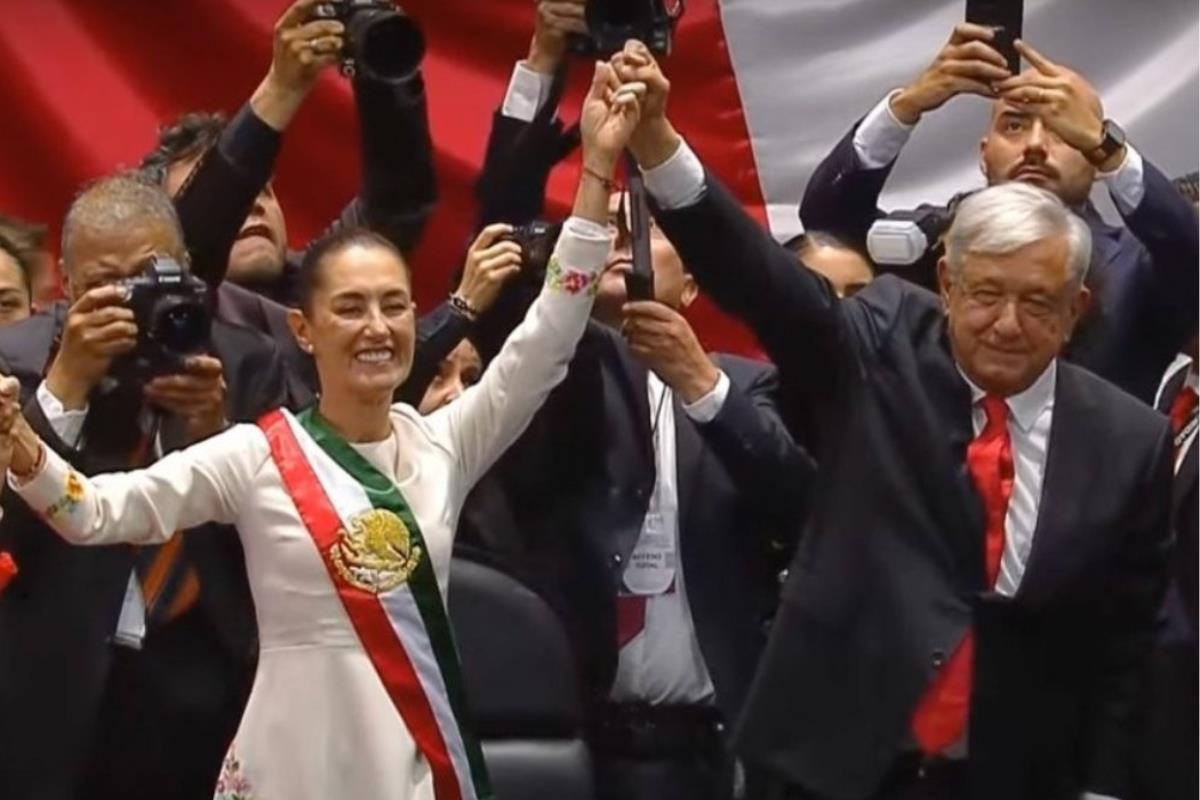
The former president’s critique of U.S. Political figures suggests a concern that external pressure could derail the legislative and social reforms initiated during his six-year term. His narrative emphasizes that these external pressures are aimed at weakening the democratic mandate that brought Sheinbaum to power with a historic majority in the 2024 general election, as verified by the National Electoral Institute (INE) of Mexico.
Geopolitical Context and Future Implications
The mention of Donald Trump in López Obrador’s commentary underscores the unpredictable nature of the current U.S.-Mexico dynamic. Throughout his presidency, López Obrador maintained a pragmatic, if sometimes strained, relationship with the former U.S. President. By warning against the influence of those he deems “manipulators” surrounding the American political establishment, he is setting a perimeter for how his supporters should perceive future U.S. Policies—particularly those related to border security and trade tariffs.
As the international community watches these developments, the focus remains on whether these rhetorical volleys will translate into tangible policy shifts or if they will remain a feature of the domestic political theater. The Biden-Harris administration, and now the transition toward a new U.S. Executive branch, continues to engage with Mexico on high-level security and economic dialogues, as documented in the official communications from the White House.
Key Takeaways
- Sovereignty Concerns: López Obrador maintains that U.S. Political influence is an attempt to destabilize the current Mexican administration.
- Continuity of Governance: The former president is using his platform to validate the legitimacy of President Claudia Sheinbaum’s administration.
- Political Polarization: The rhetoric highlights a deep-seated divide between Mexican nationalist policies and the expectations of U.S. Policymakers.
- Bilateral Stability: Despite heated rhetoric, the fundamental economic ties between the two nations remain anchored by the USMCA framework.
Looking Ahead: The Next Steps for Bilateral Relations
The next major checkpoint for these relations will likely be the formal transition of power in Washington in January 2025. Observers are closely monitoring how the new U.S. Administration approaches the renegotiation of trade deals and the enforcement of migration policies, both of which are high-priority items for the Mexican government. As President Sheinbaum continues to define her own leadership style, the influence of her predecessor will remain a critical variable to watch.

We invite our readers to share their perspectives on this developing story in the comments section below. As the situation evolves, we will continue to provide updates based on verified reports and official statements from both Mexico City and Washington.
Keep reading
- Renowned Taiwan Attorney Chang Chun-lun Passes Away at 62: Legal Community Mourns
- Vic Deal & Denzel L. Jackson: NO TIREN La Mala Un Video
- BP Q2 Profit Hits $5.7 Billion Amid Trump Criticism of Big Oil Windfalls (time.news)
- Trump Administration Begins Systematic Appropriation of Japanese Manga (newsdirectory3.com)