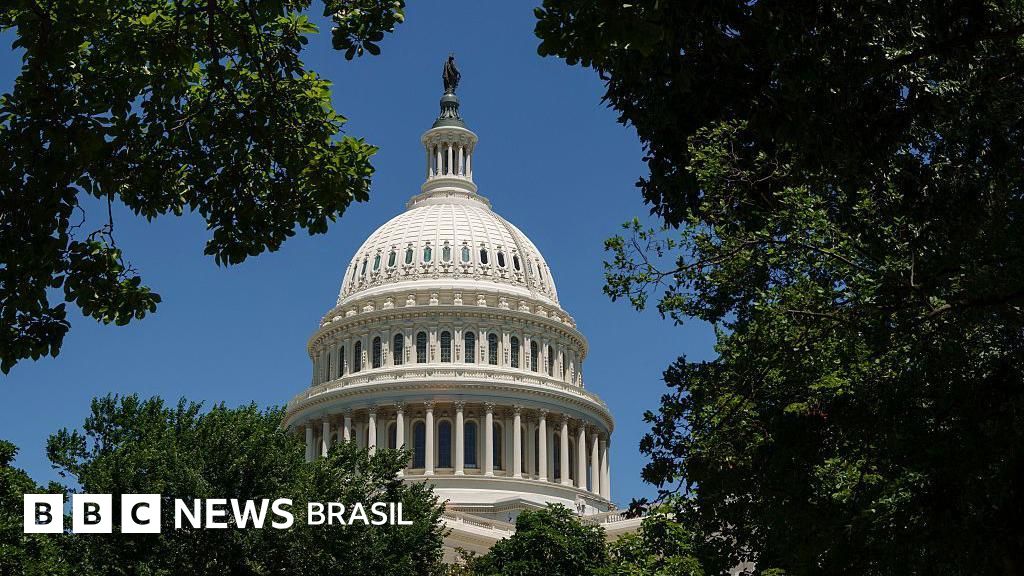
In a significant shift in legislative oversight, the United States House of Representatives has moved to assert its constitutional authority regarding military engagement. The legislative action, which seeks to clarify and constrain the scope of executive war powers, comes amid ongoing international scrutiny of U.S. Foreign policy and military posturing in the Middle East.
As the international community watches these developments, the move highlights a growing tension between the executive branch and the legislative body. The debate centers on the interpretation of Article I of the U.S. Constitution, which grants Congress the power to declare war, contrasted with the executive branch’s role as Commander-in-Chief. For an in-depth look at the structure of the U.S. Government, readers can consult the official U.S. Government overview.
Defining Legislative Oversight and War Powers
The recent legislative efforts in the House reflect a broader attempt to ensure that military actions involving foreign powers are subject to rigorous congressional review. This process is rooted in the legislative branch’s responsibility to provide checks and balances, a fundamental component of the federal presidential republic system as outlined in the U.S. Constitutional framework. By proposing resolutions that limit the scope of executive authority, lawmakers are emphasizing the necessity of congressional authorization before significant military engagements can be initiated or expanded.
The focus of these resolutions often involves transparency and accountability. Members of Congress have expressed concerns regarding the potential for rapid escalation in regional conflicts, noting that without clear legislative guardrails, the risk of unintended military entanglement increases. This legislative push is not merely a statement of policy but an attempt to formalize the procedural requirements for military intervention, ensuring that the legislative branch retains its role in matters of national security and foreign policy.
The Constitutional Context of U.S. Foreign Policy
Understanding the current political climate requires an appreciation for the established roles within the U.S. Federal government. According to the national profile of the United States, the legislative, judicial, and executive branches operate within a system of mutual oversight. The current legislative activity is a direct application of this system, as the House of Representatives exercises its prerogative to define the limits of the executive’s power to deploy forces abroad.
This dynamic is particularly critical when dealing with sensitive geopolitical regions where diplomatic and military strategies often overlap. Lawmakers supporting these resolutions argue that robust congressional debate is essential to maintaining public trust and ensuring that foreign policy decisions are aligned with long-term national interests. Conversely, proponents of executive autonomy often cite the need for speed and flexibility in responding to emerging threats, creating a persistent debate over the balance of power.
What Lies Ahead for Legislative Action
As these resolutions move through the legislative process, the path forward remains subject to the rules of the House and the broader political landscape of the 119th Congress. The potential for these measures to reach the Senate or to be enacted into law depends on a variety of factors, including party leadership priorities, committee deliberations, and executive branch negotiations. The U.S. Government maintains an A-Z index of departments and agencies where citizens can track the status of federal regulations and legislative information.
For those interested in the intricacies of how these policies are formed, the coming months will likely see continued hearings and debates. These sessions serve as the primary venue for lawmakers to question officials, review intelligence, and refine legislative language. Whether these efforts will successfully reshape the current approach to war powers is a question that will be answered by future votes and the evolving relationship between the branches of government.
We invite our readers to share their perspectives on the role of legislative oversight in modern foreign policy. As we continue to track these developments, we remain committed to providing accurate and balanced reporting on the issues that shape our global landscape. Stay tuned for further updates as the situation progresses.
- Trump Appeals to Supreme Court Over US Mail-In Ballot and Voter Verification Rules
- Trump’s Midterm Rhetoric and Outlook for 2028: USA Podcast Analysis
- Signum Global Advisors Formula Forecasts Trump Policy Pivot on Iran (archyworldys.com)
- Trump Pauses Iran Strikes Amid Concerns Over Dwindling Patriot Missile Stocks (time.news)