
In the landscape of modern governance, the discourse surrounding women in politics often circles back to a foundational question: how do we honor the trailblazers who laid the groundwork for democratic representation? In Italy, the legacy of the “Madri Costituenti”—the 21 women elected to the Constituent Assembly in 1946—remains a powerful, yet contested, touchstone for contemporary gender parity debates. While these pioneers successfully embedded principles of equality into the post-war Italian Constitution, recent electoral cycles continue to highlight a persistent gap in female representation within the halls of power.
As we examine the trajectory of European democracy, it becomes clear that the struggle for inclusive legislative bodies is not merely a matter of numbers, but one of systemic institutional culture. The Constitution of the Italian Republic, which came into effect on January 1, 1948, explicitly outlines the removal of social and economic obstacles that limit the freedom and equality of citizens. Despite these constitutional guarantees, the path to equal gender representation in the Italian Parliament remains a work in progress, with observers noting that historical milestones must be matched by current legislative action.
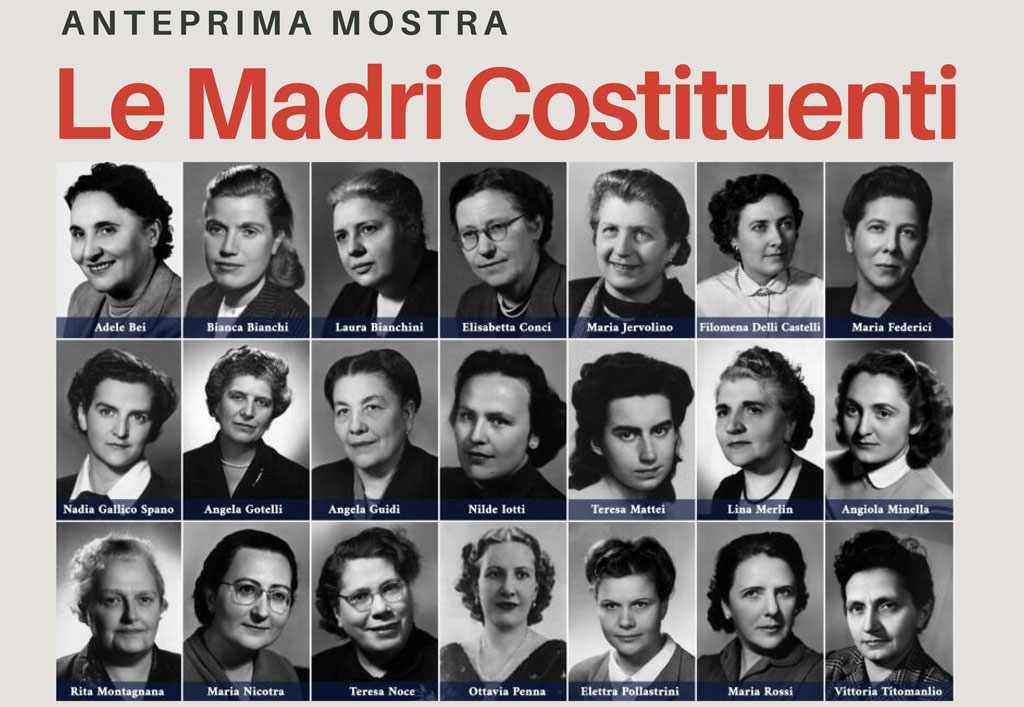
The Architects of Equality: The 21 Madri Costituenti
The story of Italian democracy cannot be told without acknowledging the 21 women who participated in the Constituent Assembly. These women, representing diverse political backgrounds, were instrumental in ensuring that the new Republic recognized women as full citizens with the right to vote and hold office. Their contributions went beyond the ballot box; they fought for the inclusion of articles that protected family life, labor rights, and the principle of equality regardless of sex.
According to historical records from the Historical Archive of the Chamber of Deputies, these women—including figures like Nilde Iotti, Teresa Noce, and Lina Merlin—navigated a deeply patriarchal political environment to leave an indelible mark on the nation’s legal framework. Their legacy serves as a constant reminder that the inclusion of diverse voices is not a modern “concession” but a foundational requirement for a representative republic. Yet, the transition from this historic achievement to current parliamentary composition remains a complex challenge.
Current Realities: Representation and Electoral Trends
Recent data indicates that while progress has been made since 1946, Italy still lags behind several European counterparts in terms of female parliamentary representation. The Inter-Parliamentary Union (IPU), which tracks global data on women in national parliaments, places Italy within a spectrum that reflects both legislative efforts to enforce gender quotas and the persistent cultural barriers that influence candidate selection. The “fewness” of women in senior political roles is often attributed to the structural nature of party lists and the lack of support for women in local government, which acts as a primary pipeline for national office.
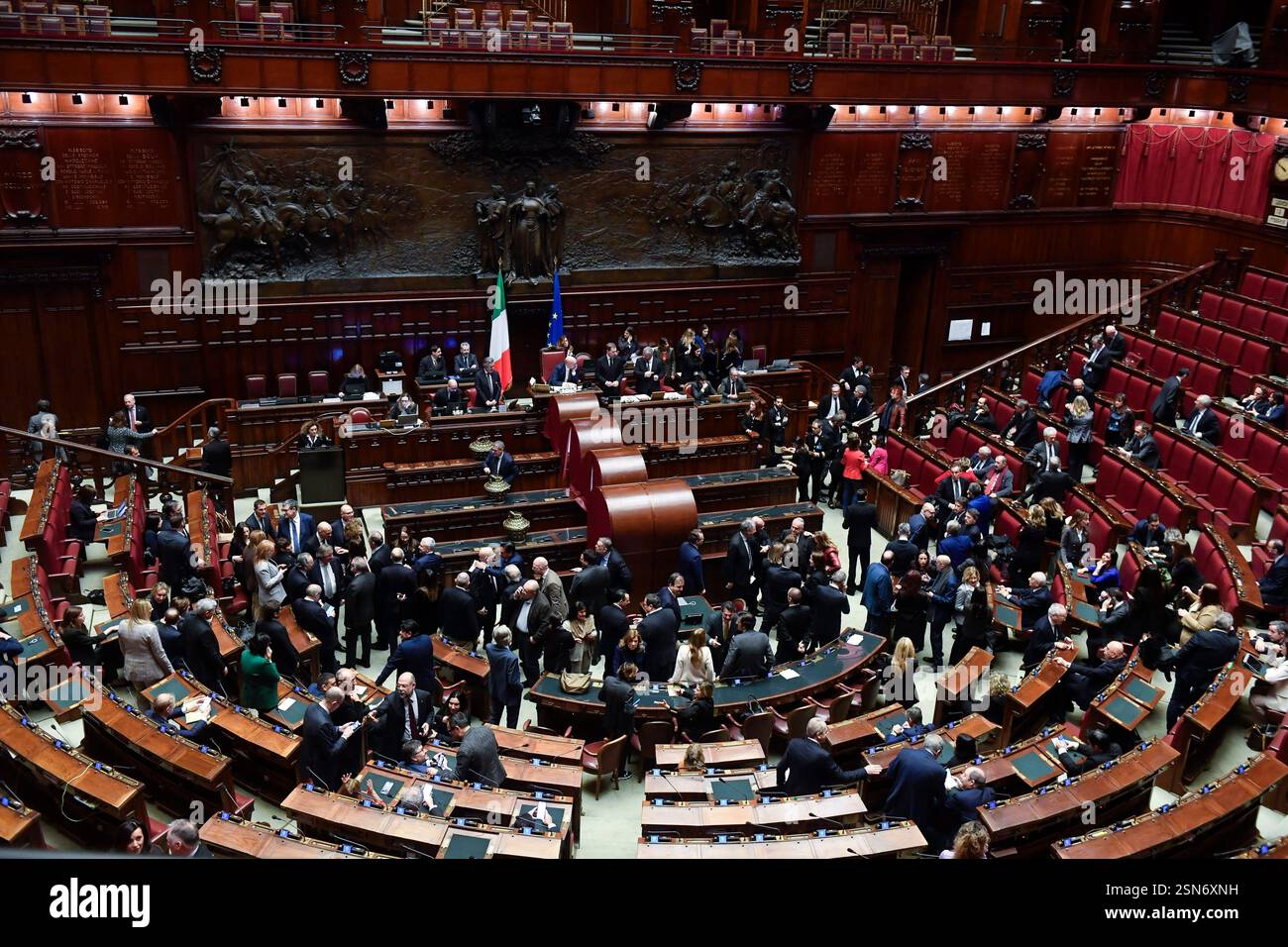
In the 2022 Italian general election, the percentage of women elected to the Chamber of Deputies and the Senate sparked significant national debate. Official data from the Italian Ministry of the Interior confirmed that although legislative quotas were in place to ensure a gender balance in candidate lists, the final outcomes often failed to reach parity. This discrepancy between the “letter of the law” and the reality of the ballot box underscores why political analysts continue to scrutinize the efficacy of current electoral mechanisms.
Key Takeaways on Women in Italian Politics
- Constitutional Foundation: The 1948 Constitution established the legal baseline for equality, championed by the 21 female members of the Constituent Assembly.
- Legislative Quotas: Italy utilizes electoral laws requiring gender balance in candidate lists to encourage higher female participation.
- Systemic Barriers: Despite quotas, internal party dynamics and the lack of career paths from local to national politics continue to impact representation.
- Ongoing Advocacy: Civil society organizations remain active in pushing for deeper structural changes rather than relying solely on numerical targets.
Why the Legacy Matters Today
For a global audience, the Italian experience offers a microcosmic view of a macro-level problem. The “legacy of the Madri Costituenti” is not a static historical relic; it is a living mandate. When we look at the barriers to women in politics, we are looking at the evolution of the democratic process itself. The challenge today is to move beyond the “inclusion” of women and toward a system where the legislative process is fundamentally shaped by diverse perspectives from the outset.
As we look toward the next electoral cycle, observers are keeping a close watch on how political parties approach candidate selection and whether the discourse shifts from “quotas” to “merit-based parity.” The European Parliament has frequently cited the need for member states to adopt more robust measures to ensure that women are not just present, but are in positions of significant influence—such as committee chairs and party leadership roles.
The next major checkpoint for assessing these trends in Italy will be the upcoming municipal and regional elections, where the effectiveness of local gender balance policies will be tested. These local arenas are the laboratories for national policy, and their results will likely dictate the conversation leading into the next general election cycle. We encourage our readers to engage with this topic by monitoring official reporting from the Chamber of Deputies and sharing their perspectives on how their own nations are navigating the path toward true political gender equality.
What are your thoughts on the effectiveness of gender quotas in politics? Join the conversation in the comments section below and let us know how your country is addressing the gender representation gap.
Worth a look