
Living with chronic skin conditions requires a nuanced understanding of triggers, daily maintenance, and professional medical intervention. Among the most common yet frequently misunderstood dermatological conditions is rosacea, a long-term inflammatory skin disease that primarily affects the face. As an editor, I often emphasize that while there is no definitive cure for rosacea, evidence-based management strategies can significantly improve quality of life and skin health for those affected.
According to the American Academy of Dermatology, rosacea typically manifests as persistent redness, visible blood vessels, and sometimes small, pus-filled bumps. Understanding that this is a medical condition—not a result of poor hygiene or lifestyle choices—is the first step toward effective management. Because symptoms can fluctuate, working with a board-certified dermatologist is essential to develop a personalized care plan that addresses specific triggers and skin sensitivities.
Understanding the Pathophysiology of Rosacea
Rosacea is characterized by an overactive immune response and abnormalities in the skin’s neurovascular system. Research indicates that the condition is often triggered by factors that increase blood flow to the face, such as sun exposure, extreme temperatures, spicy foods, alcohol, and emotional stress. The National Institute of Arthritis and Musculoskeletal and Skin Diseases notes that while the exact cause remains under investigation, a combination of genetic and environmental factors likely plays a role in its development.
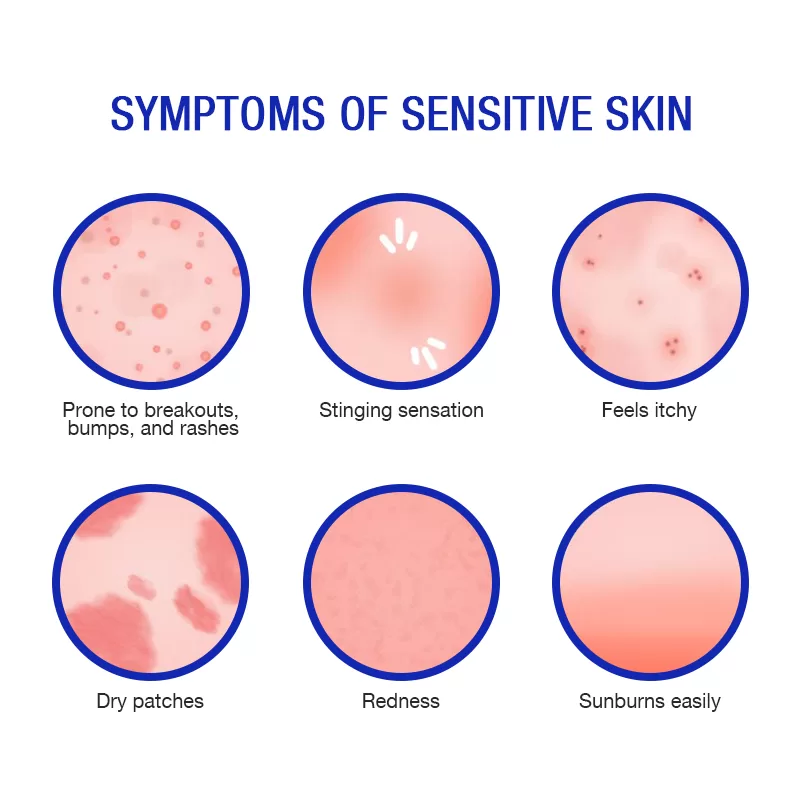
The condition is generally categorized into four subtypes, ranging from erythematotelangiectatic rosacea (characterized by redness and flushing) to phymatous rosacea (which can involve thickening of the skin). Recognizing the symptoms early is critical. Patients often report a sensation of heat or stinging, particularly when applying topical products that are not formulated for sensitive, barrier-compromised skin. Because the skin barrier is often impaired, standard skincare routines can sometimes exacerbate the inflammation rather than soothe it.
Evidence-Based Management and Treatment
Effective treatment for rosacea requires a dual approach: clinical therapy prescribed by a medical professional and a gentle, consistent home-care routine. Clinical options vary depending on the severity and type of symptoms. Topical medications, such as metronidazole or azelaic acid, are frequently used to reduce inflammation and the appearance of papules. In more persistent cases, oral antibiotics or laser therapies may be recommended by a dermatologist to target visible blood vessels and reduce overall redness.
For daily maintenance, the goal is to protect the skin barrier and minimize irritation. Dermatologists typically advise patients to avoid harsh exfoliants, alcohol-based toners, and fragranced products that can trigger a flare-up. Instead, the focus should be on:
- Sun Protection: Daily use of a mineral-based sunscreen is non-negotiable, as UV radiation is a primary trigger for most patients.
- Gentle Cleansing: Using soap-free, pH-balanced cleansers that do not strip the skin of its natural oils.
- Hydration: Applying non-comedogenic, fragrance-free moisturizers that contain soothing ingredients like ceramides or niacinamide to support barrier repair.
Lifestyle Adjustments for Long-Term Control
Managing rosacea is as much about lifestyle awareness as it is about clinical treatment. Keeping a “trigger diary” can be an incredibly empowering tool for patients. By tracking daily activities, dietary intake, and environmental exposures alongside skin flare-ups, individuals can identify their unique, personal triggers. This data-driven approach allows for targeted modifications, such as opting for cooler indoor environments or adjusting dietary habits to avoid known irritants.
It is important to remember that progress in managing rosacea is often gradual. If you suspect you have rosacea, avoid self-diagnosing with over-the-counter products, which can sometimes contain ingredients that worsen inflammation. Seek an evaluation from a healthcare provider who can rule out other conditions—such as acne vulgaris or contact dermatitis—and confirm a diagnosis. The American Academy of Dermatology’s search tool provides a reliable way to locate verified specialists in your area.
Key Takeaways for Patients
- Professional Guidance: Always consult a dermatologist for a proper diagnosis and to discuss prescription-strength therapies.
- Consistency is Key: A gentle, minimalist skincare routine is often more effective than an complex regimen for sensitive skin.
- Identify Triggers: Keep a record of your flare-ups to learn what environmental or dietary factors you should personally avoid.
- Sun Safety: Protect your skin from UV damage year-round, as sunlight is a universal trigger for rosacea symptoms.
As we continue to monitor advancements in dermatological research, we encourage our readers to stay informed through official medical channels. For those currently undergoing treatment, ensure your next follow-up appointment is scheduled to review the efficacy of your current plan and make adjustments as the seasons change. We invite you to share your experiences with managing skin sensitivities in the comments below, or join our community discussions to help others navigate their health journey.
Related reading