
In the sprawling history of Hollywood casting lore, few stories are as colorful as the origins of the 1978 cinematic phenomenon Grease. For decades, fans have obsessed over the chemistry between John Travolta and Olivia Newton-John, but the path to the screen was paved with intense auditions and high-stakes competition. Among those vying for a spot in the T-Birds was a young Lorenzo Lamas, who recently opened up about the nerve-wracking process of landing the role of Tom Chisum—and the surprising political connection he inadvertently sidestepped during the final selection phase.
Lorenzo Lamas, who would go on to become a household name in the 1980s via Falcon Crest, was essentially a newcomer when he walked into his audition for the iconic musical. As he has recounted in recent reflections, the pressure of the room was immense, particularly when he realized he was competing against high-profile contenders for even the smaller supporting roles. The casting process for Grease, which was directed by Randal Kleiser and based on the stage musical by Jim Jacobs and Warren Casey, remains a masterclass in ensemble building, famously bringing together a cast that defined a generation of filmgoers according to official production records.
The Audition That Could Have Changed History
The narrative surrounding Lamas’s entry into the film involves more than just talent; it involves a brush with American political royalty. In a recent interview, Lamas revealed that he was up against a candidate with a very famous pedigree: a son of a U.S. President. While the industry is no stranger to “nepo babies” or high-profile scions attempting to make their mark on screen, the casting director’s office was a neutral ground where the final decision rested on screen presence and the ability to capture the aesthetic of 1950s high school cool.

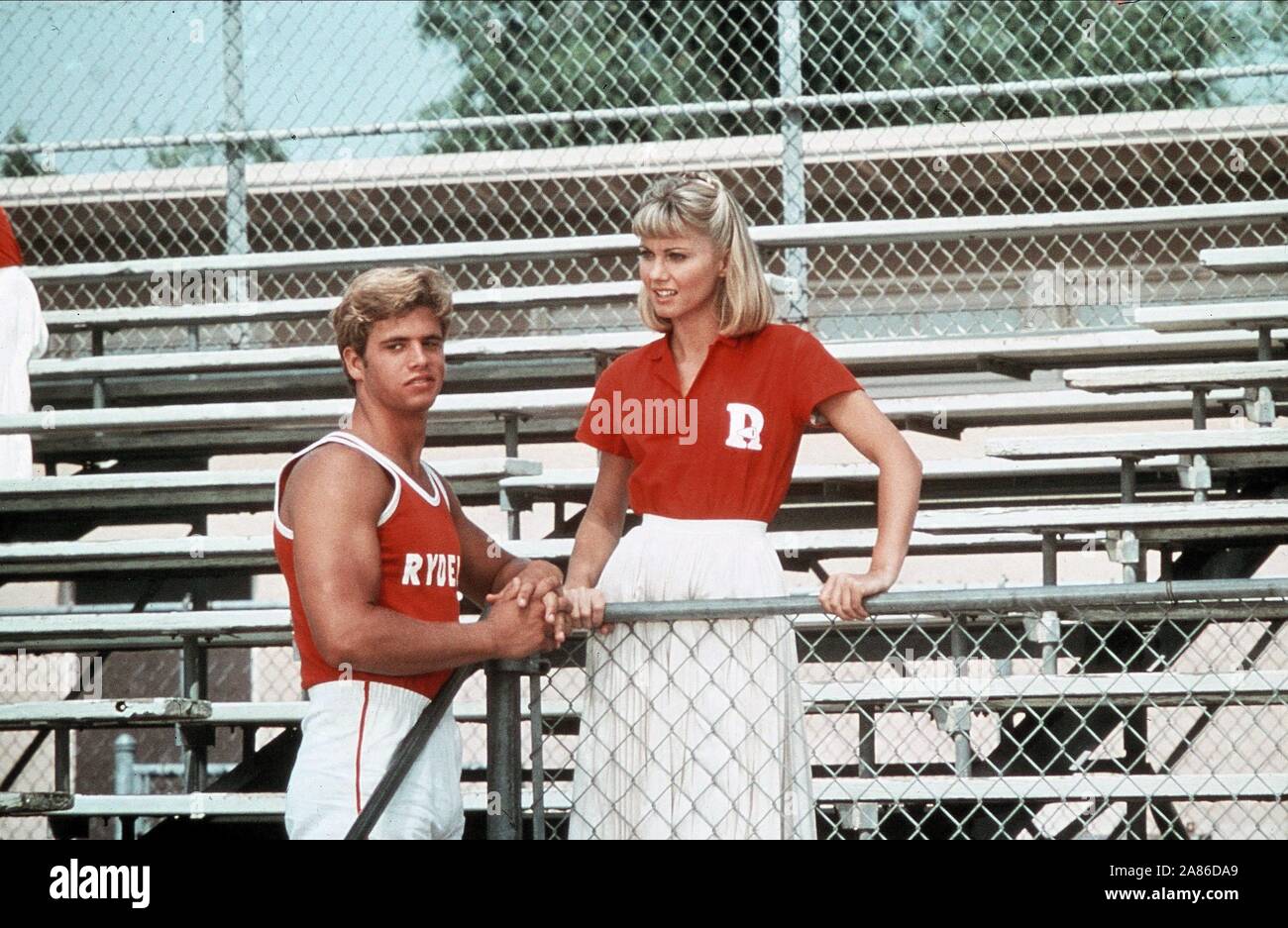
Lamas describes the moment he realized who he was up against as a point of extreme vulnerability. “I just wanted to die right there,” he remarked, noting the intimidation factor of facing off against someone whose name carried the weight of the White House. Despite the nerves, Lamas leaned into his training. The son of legendary actor Fernando Lamas and actress Arlene Dahl, Lorenzo had the pedigree of Old Hollywood behind him, which perhaps helped him hold his ground during the high-pressure reading. The role of Tom Chisum—the jock who briefly dates Sandy Olsson—required a specific blend of athletic arrogance and comedic timing, a balance that Lamas clearly struck to the satisfaction of the film’s producers.
Inside the Casting of a Cultural Phenomenon
The production of Grease was a massive undertaking for Paramount Pictures, with a budget estimated at approximately $6 million as reported by industry box office trackers. Securing a spot in the cast, even in a supporting capacity, was considered a significant career break for young actors in the late 1970s. The film eventually became the highest-grossing musical film of all time for many years, fundamentally changing the trajectory of the careers of everyone involved, from the leads to the supporting cast members like Lamas.
For Lamas, the role provided a crucial stepping stone. While he wasn’t part of the core T-Birds or Pink Ladies, his performance as the quintessential high school athlete provided the necessary friction for the film’s romantic arc. It is a testament to the rigorous selection process that even the smaller roles were contested by individuals with significant social and political capital. The competition for Grease was fierce; thousands of hopefuls auditioned and the final ensemble was curated to ensure a specific balance of musical talent and acting ability.
Why the Story Resonates Today
Why does this anecdote matter to modern audiences? It highlights the democratic, albeit brutal, nature of the audition room. Even with the potential influence of a presidential family, the director ultimately opted for the actor who best fit the vision of the film. This historical footnote serves as a reminder that in the mid-70s, the “Hollywood machine” was still heavily focused on the visual and performative requirements of the script above all else.
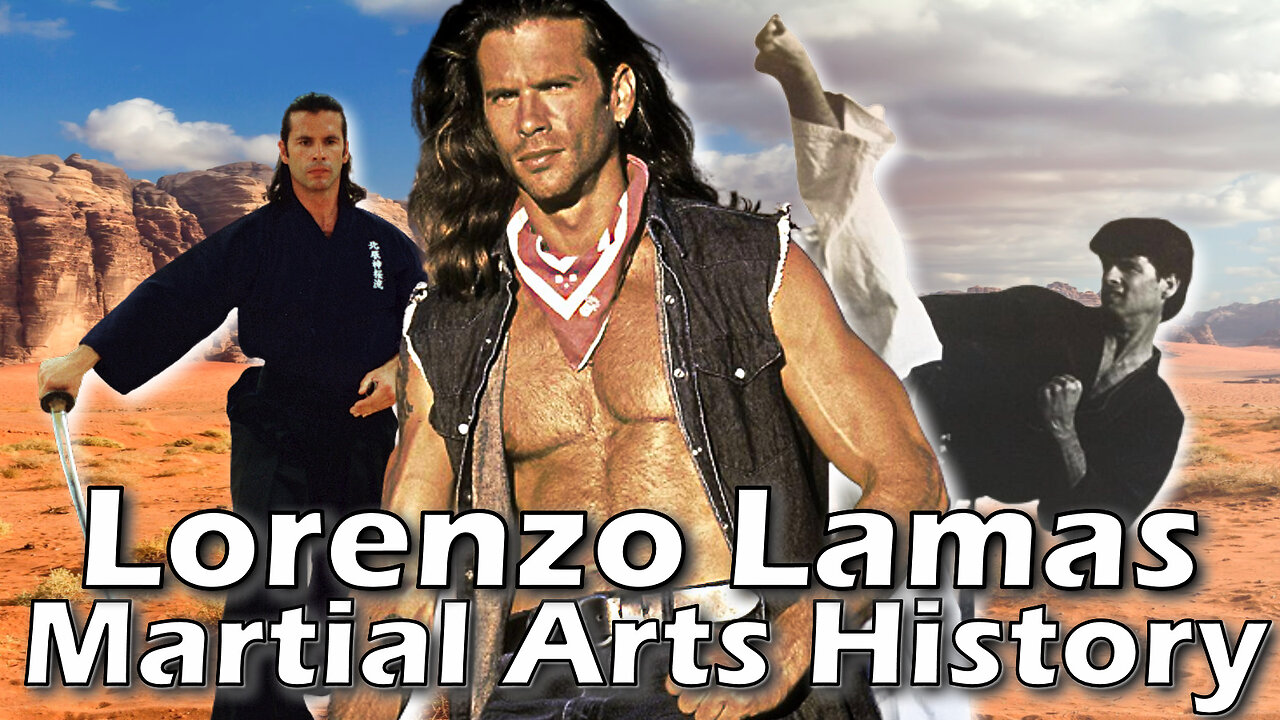
the story offers a glimpse into the early life of Lorenzo Lamas before he became a martial arts icon and a fixture of primetime soap operas. His willingness to share these moments of insecurity humanizes a star who often projected an image of absolute confidence throughout his career. It is a rare look behind the curtain of a production that remains a cornerstone of American pop culture, proving that even the most iconic films are built on thousands of “what-if” scenarios.
Key Takeaways from the Grease Casting Era
- The Competitive Nature of 1970s Casting: The production of Grease was one of the most sought-after projects of the decade, attracting talent from all walks of life, including those from political dynasties.
- Professionalism Over Pedigree: Despite the presence of a U.S. President’s son in the running, the producers prioritized the specific character requirements for the role of Tom Chisum.
- The Impact of Early Roles: For Lorenzo Lamas, this role was a foundational experience that helped launch his prolific career in television and film throughout the 1980s and beyond.
- Historical Context: The film’s enduring success, with a worldwide gross reaching over $396 million according to financial data archives, underscores why every casting decision—no matter how small—was treated with immense gravity by studio executives.
As we look back on the legacy of Grease, stories like these add a layer of depth to our understanding of the film. It wasn’t just a movie about cars and high school sweethearts; it was a high-stakes professional environment where the next generation of stars was being forged. Lorenzo Lamas remains a vital voice in this history, reminding us that behind every iconic performance is a story of a nervous actor, a difficult audition, and the luck of the draw.
The film continues to be celebrated globally, with anniversary screenings and musical adaptations keeping the T-Birds and Pink Ladies in the public consciousness. For fans, these behind-the-scenes insights provide a deeper appreciation for the work that went into creating a film that has successfully transcended its era. As new generations discover the charm of Rydell High, the stories of the actors who populated its halls will undoubtedly continue to captivate audiences worldwide.
For those interested in the official history of the film’s production, the Academy of Motion Picture Arts and Sciences maintains an extensive archive of materials, including casting notes and production logs, which are periodically made available to the public through the Margaret Herrick Library. We invite our readers to share their favorite memories of Grease in the comments section below and join the ongoing conversation about the golden age of Hollywood musicals.
Keep reading