
In a significant legal development that has reignited the national debate over electoral fairness, the U.S. Supreme Court has issued an unsigned order allowing the state of Alabama to implement a controversial congressional map. This decision, handed down late Tuesday, effectively permits the state to move forward with redistricting plans that critics argue debases the democratic process by diluting the influence of Black voters. The ruling arrives as states across the country navigate the complexities of electoral geography ahead of the 2026 midterm elections, marking another chapter in the ongoing struggle over the application of the Voting Rights Act of 1965.
The Court’s order, from which the three liberal justices dissented, allows Alabama to transition away from a map that featured two majority-Black districts—a configuration that had been previously upheld in earlier litigation—in favor of a map that contains only one such district. This shift requires a substantial administrative overhaul, necessitating the reassignment of hundreds of thousands of voters across the state. The legal foundation for this move stems from a broader trend in federal jurisprudence, notably influenced by recent high-court decisions that have narrowed the scope of protections against racial gerrymandering, as seen in the court’s handling of Louisiana v. Callais.
Justice Sotomayor’s Scathing Dissent
In a sharp rebuke of the majority’s decision, Justice Sonia Sotomayor authored a dissenting opinion that highlighted both the procedural chaos and the substantive legal concerns posed by the state’s redistricting strategy. She argued that the Court’s intervention not only creates immediate electoral disruption but also undermines the integrity of the judicial system itself. “Just as Alabama doubled down on racial discrimination, the court today doubles down on chaos,” Sotomayor wrote, emphasizing that the decision “inflicts two grave harms on the public.”
:max_bytes(150000):strip_icc()/supreme-court-west-entrance-564091971-crop-595477603df78cdc29d6e89e.jpg "Supreme Court")
Sotomayor specifically pointed to the logistical burden placed on Alabama’s electorate. By forcing a transition to a map that had been previously scrutinized by lower courts, election officials are now tasked with moving approximately 600,000 registered voters—roughly 15% of the state’s total—into new districts. The justice noted that the disruption is particularly acute in three specific counties, which are now being split across multiple congressional lines. This administrative upheaval, she argued, serves as an “affront to the rule of law” by rewarding what she characterized as “gamesmanship and outright defiance of court orders.”
The Evolving Landscape of Redistricting Law
The decision to allow Alabama to proceed with its map is widely viewed as a reflection of the Supreme Court’s shifting approach to the Voting Rights Act. For years, the legal battle over Alabama’s congressional districts has centered on whether the state’s maps violated Section 2 of the Voting Rights Act by failing to provide adequate representation for Black citizens. In 2023, the Supreme Court had famously ordered Alabama to create a second majority-Black district in Allen v. Milligan, a decision that many civil rights advocates viewed as a landmark defense of voting equality.
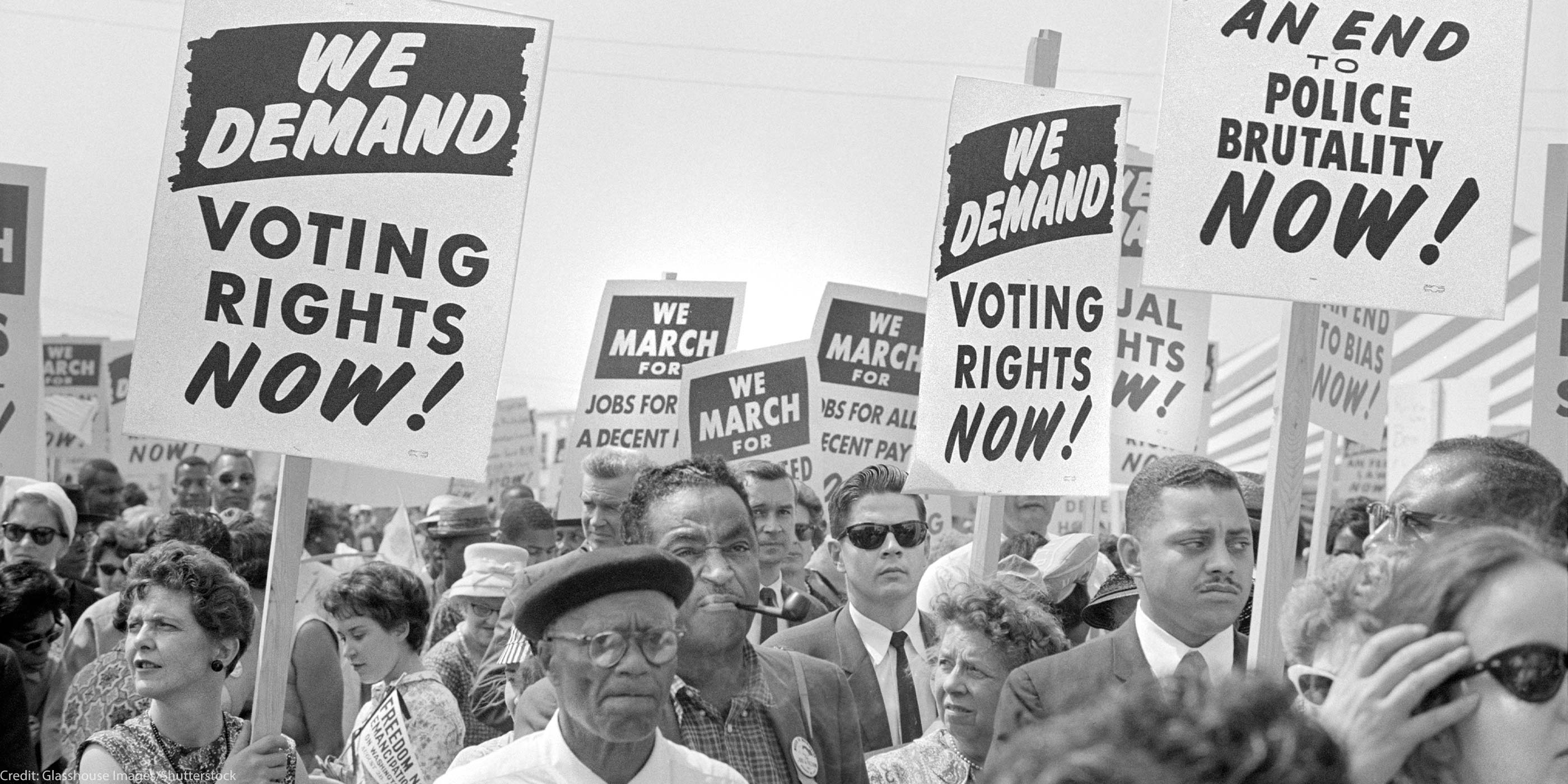
However, the legal environment has shifted significantly since that ruling. The 2026 election cycle is being shaped by new precedents that have made it increasingly tough for plaintiffs to challenge maps on the basis of racial discrimination. Legal analysts note that the current composition of the Court, combined with recent rulings, has empowered state legislatures to adopt more aggressive redistricting strategies. The National Redistricting Foundation has been a vocal critic of these developments, characterizing the latest ruling as a departure from the protections that were once considered the bedrock of American civil rights legislation.
Political Fallout and Congressional Reaction
The reaction from Alabama’s congressional delegation has been swift and polarized. Democratic representatives have expressed deep concerns regarding the long-term implications for minority representation. Representative Terri Sewell, who has been a consistent voice against the state’s redistricting efforts, described the ruling as part of a “pattern of outrageous Supreme Court decisions” that prioritize partisan power over civil rights. According to Sewell, the move is a direct attempt to dilute Black voices and erase the progress made over recent decades.
Representative Shomari Figures, who currently serves in a district established under the previous, independently drawn map, echoed these sentiments, suggesting that the ruling confirms a dangerous weakening of federal voting protections. “The Supreme Court has now confirmed that there is no longer a Voting Rights Act in America,” Figures stated, warning that states may now feel emboldened to engage in discriminatory practices without fear of federal consequence. As the state moves toward the 2026 midterms, the focus for many advocacy groups is now shifting toward the possibility of federal legislative action, although the prospects for such measures remain uncertain in a divided Congress.
Looking Toward the 2026 Midterms
For the average voter in Alabama, the immediate future involves navigating a significantly altered electoral map. Election officials are currently working to finalize the new boundaries, a process that is expected to continue in the coming weeks. The state has already faced challenges regarding its primary election schedule, with Governor Kay Ivey having previously moved to postpone certain dates to accommodate ongoing legal disputes regarding district lines. Voters are encouraged to check with the Alabama Secretary of State’s office for the most accurate information regarding their specific polling locations and district assignments.
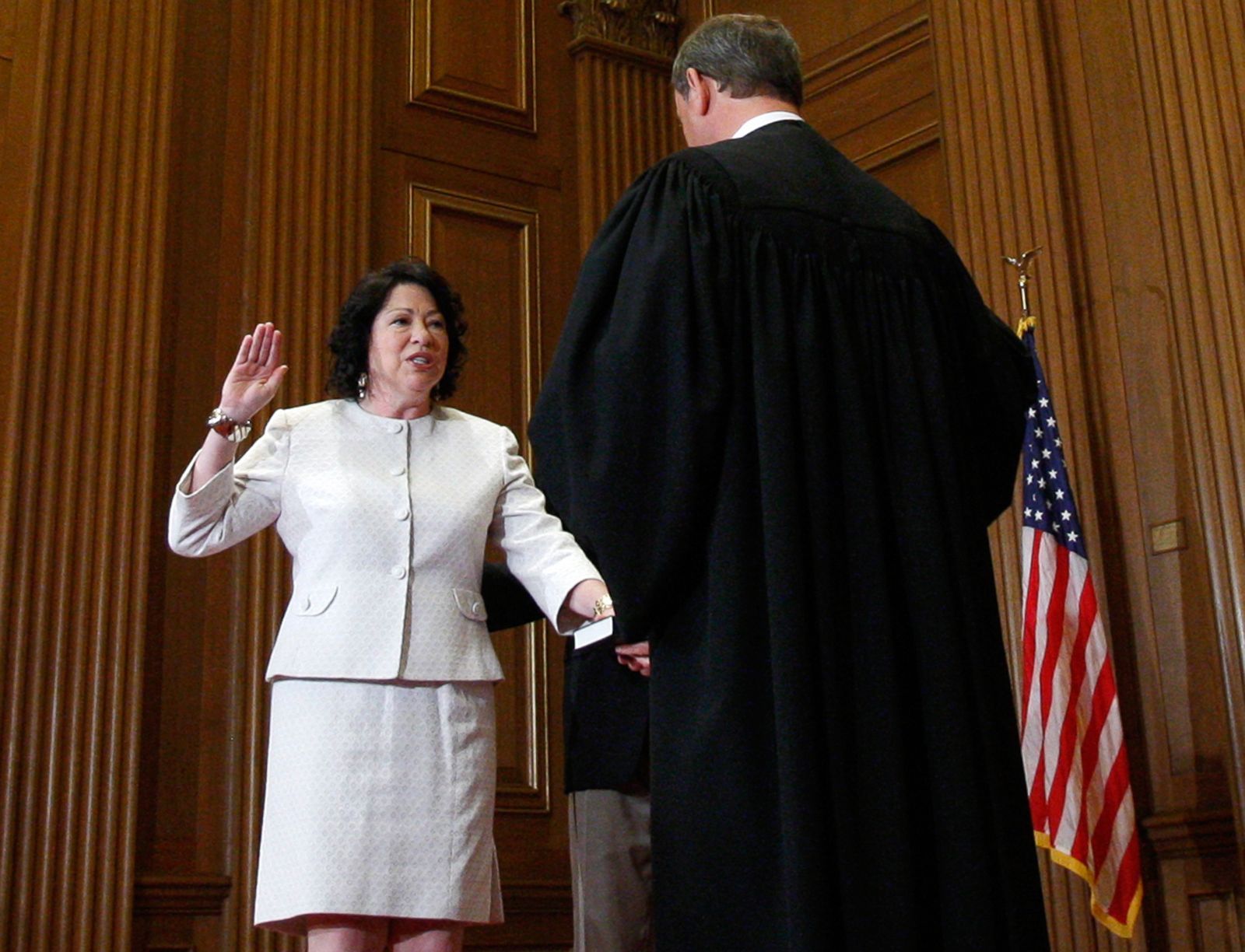
As the legal community continues to analyze the implications of this order, the focus remains on whether future litigation can address the concerns raised by the dissenting justices. For now, the maps as approved by the state and permitted by the Supreme Court will stand as the basis for the upcoming election cycle. The debate over fair representation, however, is far from over, with civil rights groups preparing to monitor the impact of these changes on voter turnout and electoral outcomes in the months ahead.
We welcome your perspective on these developments. As this story continues to evolve, please share your thoughts in the comments section below, and subscribe to our newsletter for the latest updates on international and domestic political affairs.
Keep reading