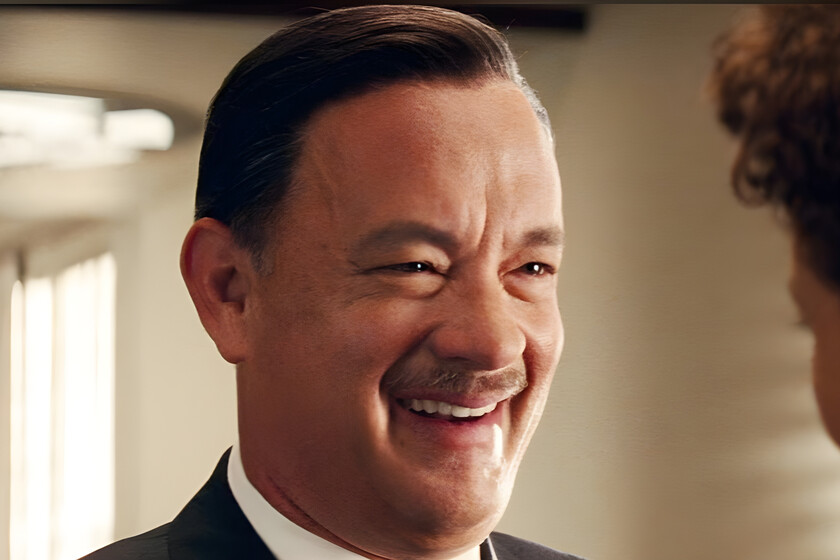
In the vast landscape of cinematic history, few performances have managed to bridge the gap between historical accuracy and emotional resonance quite like Tom Hanks’ portrayal of Walt Disney in the 2013 biographical drama, Saving Mr. Banks. For audiences revisiting this title on streaming platforms today, the film serves as a poignant reminder of the complex creative struggle behind one of the most iconic productions in the history of the Walt Disney Company: Mary Poppins.
Directed by John Lee Hancock, the film delves into the arduous two-decade journey Walt Disney took to secure the film rights from author P.L. Travers. As we look at the legacy of this production, Saving Mr. Banks offers more than just a glimpse into the studio’s past; it provides a masterclass in character study, showcasing how a visionary leader navigated the stubborn, yet deeply vulnerable, mind of a creator protective of her literary work. The film, which grossed approximately $117.8 million worldwide according to Box Office Mojo, remains a staple for those interested in the intersection of corporate ambition and artistic integrity.
The Creative Tug-of-War: Walt Disney vs. P.L. Travers
The core of Saving Mr. Banks revolves around the 1961 meeting in Los Angeles, where Travers, played with razor-sharp precision by Emma Thompson, arrives to oversee the transition of her beloved nanny character to the silver screen. The film highlights the fundamental friction between Disney’s desire to infuse the story with his signature brand of musical whimsy and Travers’ demand for a faithful, grounded adaptation that eschewed sentimentality.
This was not merely a business negotiation; it was a clash of philosophies. For Disney, the project was a promise made to his daughters; for Travers, Mary Poppins was a deeply personal manifestation of her own difficult childhood. The film navigates these dual narratives—the present-day production meetings and the flashbacks to Travers’ upbringing in Queensland, Australia—to reveal why the author was so resistant to the “Disneyfication” of her work. The production values and historical setting were meticulously crafted to reflect the early 1960s, a period when the Walt Disney Company was solidifying its status as a global entertainment powerhouse, as documented by the official D23 archive.
A Performance of Nuance
Tom Hanks’ portrayal of Walt Disney is often cited as one of the most nuanced turns of his later career. Rather than opting for a caricature, Hanks captures the charisma, the chain-smoking intensity and the undeniable persuasiveness that fueled Disney’s success. He portrays a man who understands that to get what he wants, he must first understand the emotional wounds of his adversary.
The film’s success relies heavily on the chemistry between Hanks and Thompson. Their sparring matches serve as the emotional heart of the movie, illustrating how the creative process can be as much about therapy as it is about commerce. The film’s screenplay, written by Kelly Marcel and Sue Smith, draws on real-life recordings of the actual story meetings between Travers and the Disney creative team, which are preserved in the Walt Disney Family Museum archives. These transcripts underscore the authenticity of the dialogue, lending a weight to the performances that transcends standard biopic tropes.
Why the Legacy of Mary Poppins Endures
The 1964 release of Mary Poppins remains a cultural touchstone, largely because of the incredibly compromises depicted in Saving Mr. Banks. The film went on to win five Academy Awards, including a Best Actress win for Julie Andrews, as noted by the Academy of Motion Picture Arts and Sciences. The journey to that success was fraught with tension, but it ultimately resulted in a film that balanced Travers’ literary intent with the technical and musical innovations of the Disney studio.

When you watch Saving Mr. Banks today, you aren’t just watching a film about a film; you are watching a study of legacy. It asks the audience to consider how art is shaped by the people who make it, and whether the final product justifies the personal toll taken on its creators. For many, this film has served as an entry point into the deeper history of the Walt Disney Company, encouraging a greater appreciation for the archives and the human stories behind the magic.
Key Takeaways: The Making of a Classic
- Historical Context: The film is set primarily in 1961, during the intense pre-production phase of the 1964 musical Mary Poppins.
- Authentic Source Material: The screenplay is heavily influenced by authentic audio recordings of the actual meetings between P.L. Travers and the production team.
- Critical Reception: The film received widespread acclaim, particularly for the performances of Tom Hanks and Emma Thompson, and holds a strong rating on major review aggregators.
- Theme of Reconciliation: At its core, the story serves as a metaphor for letting go of the past, both for the characters on screen and the historical figures they represent.
Looking Ahead: The Continued Influence of Disney’s History
As streaming platforms continue to curate their libraries, films like Saving Mr. Banks remain vital for their ability to contextualize the massive media library that Disney now manages. Whether you are a casual viewer or a student of film history, this movie offers a unique window into the mechanics of Hollywood storytelling in the mid-20th century. While You’ll see no new feature-length biopics of Walt Disney currently scheduled for production by the studio, the interest in the company’s history remains high, with frequent exhibits and archival releases organized by the Walt Disney Family Museum.
As we continue to analyze how iconic stories are adapted and preserved, the lessons from the production of Mary Poppins serve as a perennial guide. The tension between the author’s vision and the studio’s ambition is a story that never truly goes out of style. We invite you to share your thoughts on this cinematic exploration—have you revisited this film recently, and did it change your perspective on the classic 1964 musical? Join the conversation in the comments below.