
The boundary between professional manufacturing and the home workshop is undergoing a profound transformation. For years, a significant gap existed between the low-power, hobbyist-grade laser engravers found on consumer shelves and the massive, expensive, industrial-scale machines used in factory settings. However, as the demand for personalized goods and small-batch manufacturing surges, a new category of hardware is emerging to bridge this divide.
Leading this charge is the Monport MegaS laser engraver, a device designed specifically to bring industrial-grade performance to a desktop footprint. By focusing on high-precision output and enhanced workflow automation, the machine aims to serve a growing demographic of professional creators, small business owners, and specialized makers who require more than just a “toy” but cannot justify the overhead of heavy industrial machinery.
As we observe the broader trends in digital fabrication, the “prosumer” market—professionals who utilize consumer-sized tools—is no longer a niche segment. It is a cornerstone of the modern micro-economy. The introduction of the Monport MegaS represents a strategic move by Monport Laser to capture this global market by addressing the two most critical pain points for professionals: reliability and efficiency.
Breaking the Barrier: What “Industrial Performance” Means for Desktop Users
When a manufacturer claims to bring “industrial performance” to a desktop device, it is not merely a marketing buzzword; it refers to a specific set of technical capabilities. In the context of the Monport MegaS, this translates to three core pillars: power density, precision, and duty cycle.
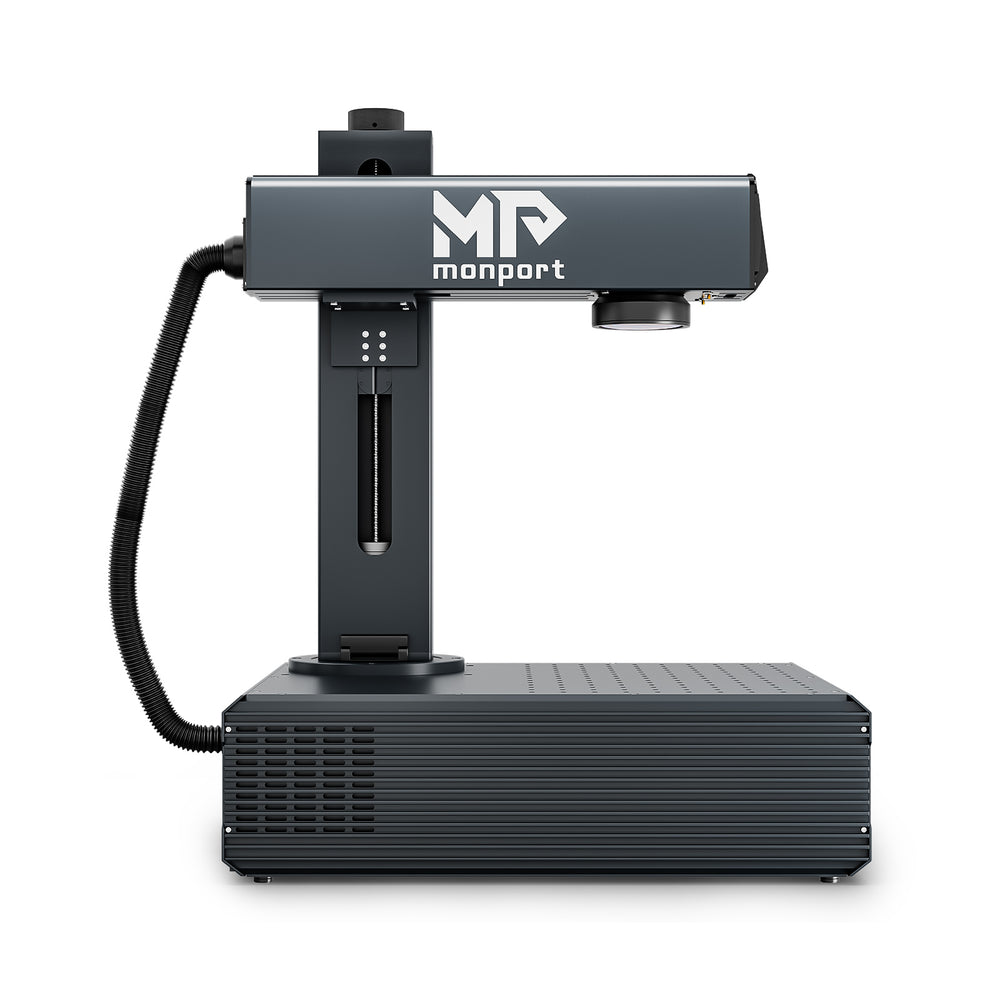
Traditionally, desktop laser engravers have struggled with material versatility. Many are limited to thin wood or light engraving on surfaces. Industrial-grade performance, however, implies the ability to cut through thicker materials—such as acrylic, leather, or dense hardwoods—with clean edges and minimal charring. This requires a sophisticated management of laser power and beam focus, a hallmark of the MegaS design.
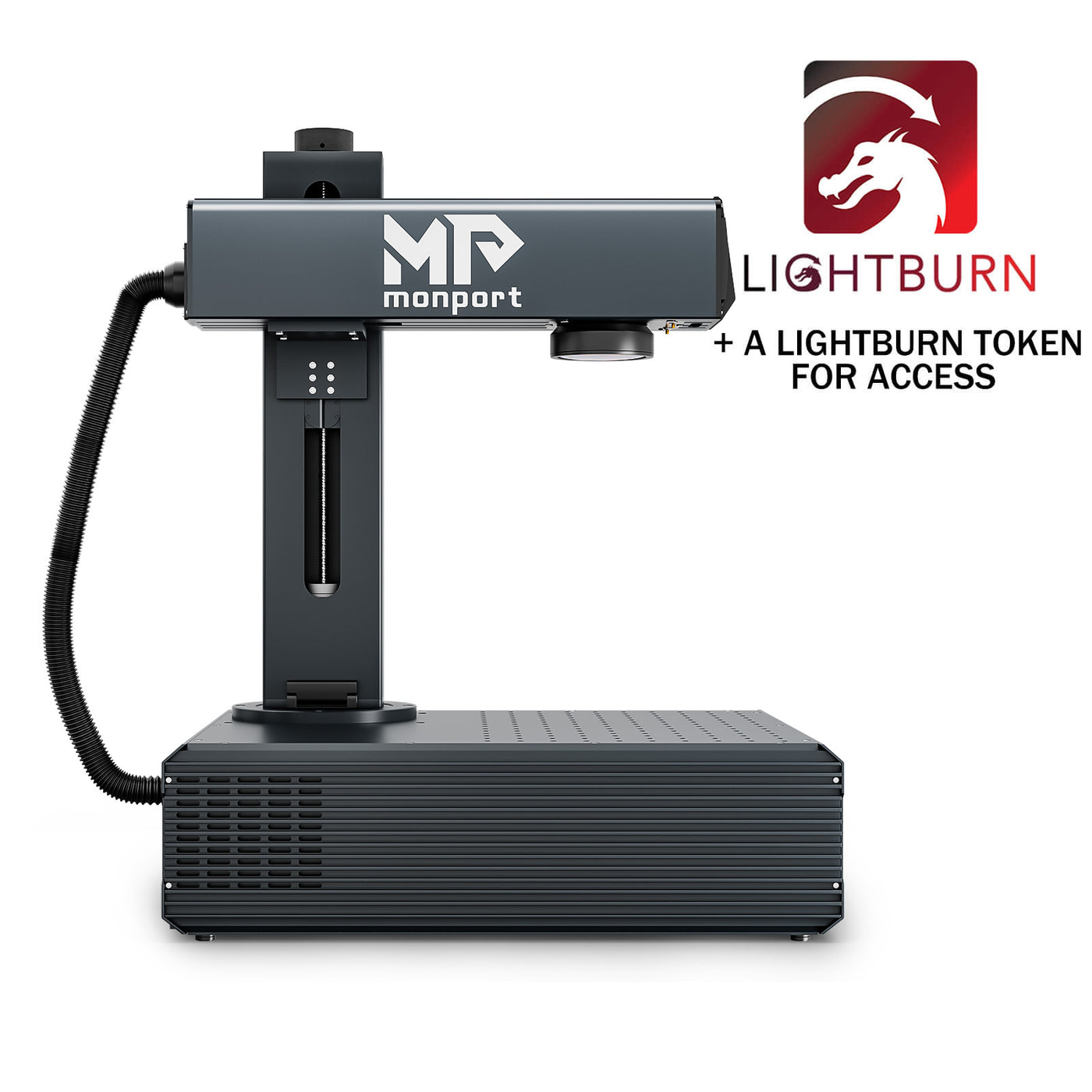
Precision is the second pillar. In professional applications, a deviation of a fraction of a millimeter can render a product useless. For small businesses producing jewelry, custom signage, or architectural models, the consistency of the laser beam is paramount. The Monport MegaS is engineered to maintain this level of accuracy across its entire working area, ensuring that the thousandth piece produced is identical to the first.
Finally, there is the matter of the duty cycle. Hobbyist machines are often designed for intermittent use—a quick engraving project followed by hours of downtime to prevent overheating. Professional users, however, operate on production schedules. Industrial-grade hardware is built to withstand longer periods of continuous operation, a necessity for those using these tools to fulfill commercial orders and meet tight deadlines.
Streamlining Creativity: The Role of Workflow Automation
Beyond raw power, the Monport MegaS addresses the modern professional’s most valuable resource: time. The source of recent industry interest highlights the machine’s focus on workflow automation. In the world of digital fabrication, “workflow” encompasses everything from the initial design in software to the final cleaning of the engraved product.
Automation in this sector typically involves several key technological integrations:
- Software Synergy: Seamless integration with industry-standard design and control software, such as LightBurn, allows users to move from a vector file to a finished product with minimal manual intervention.
- Intelligent Positioning: Features that allow for automated material detection or camera-assisted alignment ensure that the laser hits the exact coordinates intended, reducing wasted material and setup time.
- Integrated Safety and Air Assist: Automated air assist systems regulate the flow of air during the cutting process, which not only improves cut quality by clearing debris but also minimizes smoke and fire risks, allowing for a more controlled and “set-and-forget” environment.
For a professional running a small e-commerce shop, these automated features are the difference between a profitable day and a day spent troubleshooting hardware. By reducing the “friction” of the manufacturing process, the Monport MegaS allows creators to focus on design and business growth rather than the minutiae of machine calibration.
The Economic Impact: From Makers to Micro-Factories
The arrival of high-performance desktop tools like the Monport MegaS is a catalyst for the “micro-factory” movement. As global supply chains become increasingly complex and unpredictable, there is a growing trend toward localized, on-demand manufacturing. Small businesses are no longer just buying finished goods; they are building them in their own studios.
This shift has significant implications for several sectors:
1. The Personalized Goods Market: The explosion of custom-made gifts, personalized home decor, and bespoke accessories is driven by the ability to produce high-quality, unique items at a low cost. A desktop laser engraver provides the perfect entry point for entrepreneurs in this space.
2. Prototyping and Rapid Iteration: For engineers and industrial designers, having an industrial-capable laser at their desk allows for immediate prototyping. The ability to test a design in a physical medium within minutes of completing a digital model accelerates the entire product development lifecycle.
3. Educational and Research Institutions: Makerspaces and universities are increasingly integrating these machines into their curricula. The Monport MegaS offers an accessible way to teach advanced manufacturing techniques without the multi-million dollar investment required for traditional industrial setups.
Technical Specifications and Versatility
While specific configurations may vary based on the exact model variant, the Monport MegaS is positioned to compete in the high-end enthusiast and professional segment. Users can expect a design that prioritizes stability and ease of use, featuring a robust frame to minimize vibrations that could compromise engraving precision.

The versatility of the machine is one of its strongest selling points. It is designed to handle a wide array of materials, which is essential for a professional whose client base may demand anything from organic wood textures to synthetic plastics. This material range, combined with the ability to switch between engraving and cutting modes, makes it a multi-purpose tool for a diverse range of creative workflows.
| Feature | Hobbyist Grade | Monport MegaS / Professional Grade |
|---|---|---|
| Power Output | Low (often limited to surface engraving) | High (capable of deep cutting) |
| Precision | Variable; prone to drift | High-precision; consistent accuracy |
| Workflow | Manual, high intervention | Automated, streamlined |
| Duty Cycle | Intermittent use only | Designed for sustained production |
| Material Range | Limited (thin paper, light wood) | Extensive (thick wood, acrylic, leather, etc.) |
Key Takeaways for Professionals
- Industrial Capabilities: The Monport MegaS bridges the gap between consumer toys and industrial machinery through increased power and precision.
- Efficiency Focus: Workflow automation is a core design principle, aimed at reducing setup time and material waste.
- Market Positioning: Designed for the “prosumer” and small business owner, supporting the rise of micro-manufacturing.
- Versatility: Capable of handling a wide variety of materials suitable for commercial production.
As Monport Laser continues to expand its footprint from its operations in the USA to global markets, the industry will be watching closely to see how these desktop-scale tools influence the broader manufacturing landscape. If the trend toward high-performance, automated desktop tools continues, we may be looking at a future where the “factory” is no longer a centralized building, but a distributed network of highly skilled creators working from their own desks.
For further updates on laser technology and the evolution of digital fabrication tools, stay tuned to World Today Journal.
What do you think about the rise of professional-grade desktop tools? Are they a viable replacement for traditional manufacturing in your industry? Let us know in the comments below and share this article with your fellow makers!
Keep reading