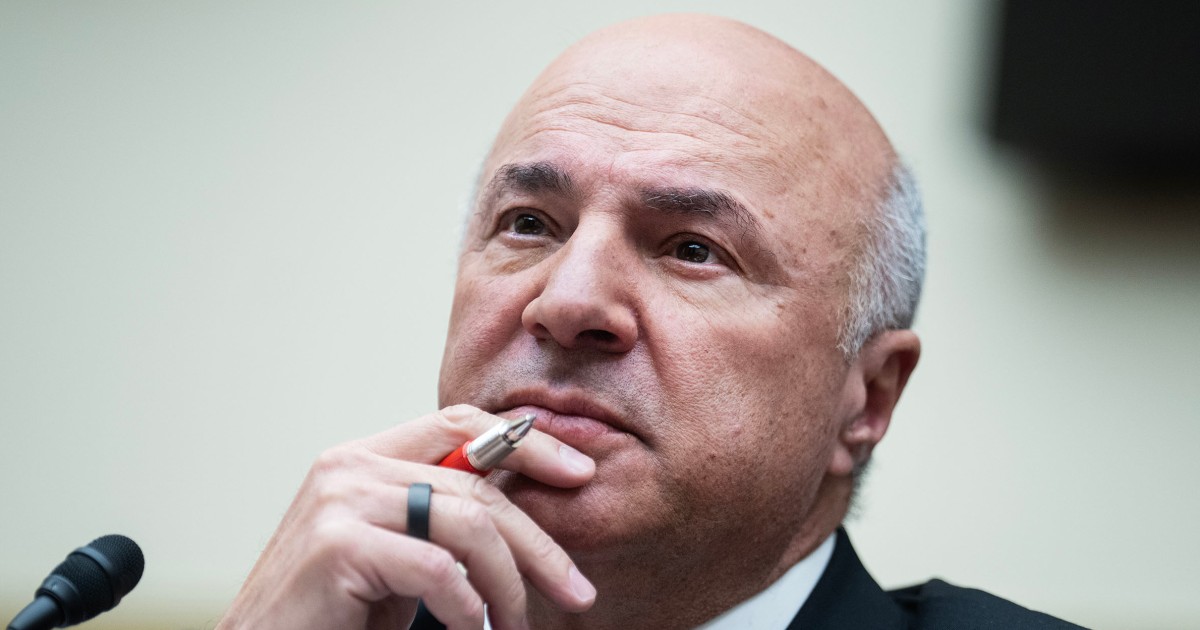
In a significant pivot for one of the most ambitious tech infrastructure projects in the American West, celebrity investor Kevin O’Leary has announced plans to scale back a massive artificial intelligence (AI) data center project in Utah. The decision follows a period of intense political friction and mounting pressure from state leadership regarding the scale and resource requirements of the development.
The project, which was initially envisioned as a hyperscale campus capable of supporting the burgeoning global demand for AI computing power, has become a lightning rod for debates over energy consumption, land use, and the rapid industrialization of rural Utah. O’Leary, known for his high-stakes investment strategies, indicated that the reduction in the project’s scope is a direct response to what he characterized as “outrageous” demands from state lawmakers.
The tension centers on the intersection of rapid technological advancement and the logistical realities of the Intermountain West. As AI models require unprecedented amounts of electricity and cooling, the proposed development in Box Elder County has forced a collision between the ambitions of Silicon Valley-style infrastructure and the resource management priorities of Utah’s political establishment.
A Clash of Ambition and Regulation
The friction escalated significantly following interventions from Utah’s legislative leadership. The Utah Senate President has been a vocal critic of the project’s original scale, pushing for substantial reductions in the planned footprint and power capacity. These demands were framed by state officials as necessary measures to protect the stability of the state’s electrical grid and to ensure that large-scale industrial developments do not outpace local resource availability.

O’Leary’s response to these legislative pressures has been pointed. While the investor has remained a proponent of bringing high-tech economic drivers to the state, he has expressed frustration with the specific constraints being imposed by the Senate leadership. The investor’s decision to “shrink” the project suggests a strategic retreat, attempting to find a middle ground that satisfies regulatory requirements while still maintaining the commercial viability of the AI-driven enterprise.
This standoff highlights a growing trend in the United States, where the “arms race” for AI infrastructure is meeting the practical limits of regional utility networks. As hyperscale data centers—facilities designed to house thousands of servers—seek out locations with available land and favorable tax climates, they are increasingly finding themselves in conflict with local and state-level governance focused on sustainability and grid reliability.
Local Resistance and Legal Challenges in Box Elder County
Beyond the halls of the Utah State Capitol, the project has encountered fierce resistance at the local level. In Box Elder County, where the proposed site is located, community members and local interest groups have mobilized to challenge the development. The opposition is multi-faceted, ranging from concerns over the environmental impact of massive water consumption for cooling to the potential disruption of local agricultural landscapes.
The conflict has moved into the judicial sphere, with opponents of the data center filing legal actions to attempt to reverse or stall previous administrative decisions that favored the project. These lawsuits represent a significant hurdle for the developers, as they seek to navigate a complex web of zoning laws, environmental impact assessments, and county-level land-use regulations.
The legal battles in Box Elder County serve as a microcosm of the broader national struggle over “data center sprawl.” As these facilities grow in both physical size and energy appetite, the legal frameworks governing them are being tested. For local residents, the primary concern remains the long-term impact on the character and resources of their communities, while for developers, the focus is on the certainty of the regulatory environment required to justify multi-billion-dollar investments.
The AI Infrastructure Dilemma: Energy and Water
To understand why the O’Leary project has faced such intense scrutiny, it is necessary to examine the fundamental requirements of modern AI data centers. Unlike traditional cloud computing facilities, AI-specific data centers are optimized for high-density computing. This density results in significantly higher thermal output, necessitating sophisticated and often water-intensive cooling systems.
The implications for Utah’s resource management are profound:
- Grid Stability: The massive, constant load required by AI clusters can strain local electrical grids, potentially impacting residential and industrial users if not carefully integrated with renewable energy sources.
- Water Scarcity: In an arid region like the American West, the use of water for evaporative cooling in data centers has become a highly sensitive political and environmental issue.
- Land Transformation: Converting vast tracts of land into industrial tech hubs alters the economic and ecological landscape of rural counties, often shifting the focus from agriculture to technology services.
The decision by O’Leary to scale back the project may be an attempt to mitigate these specific concerns, potentially reducing the projected load on the power grid and the total water footprint of the facility. However, the move also raises questions about whether the scaled-back version of the project can still achieve the economic returns necessary to justify the initial capital expenditure.
Economic Impact vs. Resource Stewardship
The debate in Utah is not merely a technical one; it is a fundamental disagreement over the state’s economic future. Proponents of the data center development argue that such projects bring high-paying jobs, significant tax revenue, and a seat at the table in the global AI revolution. They view the infrastructure as a cornerstone of a modern, diversified economy that moves beyond traditional sectors.

Conversely, critics argue that the economic benefits may be overstated or disproportionately distributed, while the environmental and resource costs are immediate and certain. There is a growing concern that the state may be trading long-term resource security for short-term economic gains driven by a volatile tech sector.
This tension is forcing Utah policymakers to develop new frameworks for managing “tech-heavy” industrial growth. The outcome of the O’Leary project will likely serve as a precedent for how the state handles future requests from other major technology players looking to establish a footprint in the region.
Key Takeaways
- Strategic Scale-Back: Kevin O’Leary is reducing the scope of his Utah AI data center project following intense pressure from state legislators.
- Political Friction: The decision follows a public disagreement between O’Leary and the Utah Senate President regarding the project’s size and resource demands.
- Local Litigation: Residents and opponents in Box Elder County are pursuing legal avenues to challenge the project’s development and land use.
- Resource Pressures: The core of the conflict involves the massive energy and water requirements necessary to power and cool high-density AI computing infrastructure.
- Precedent-Setting: The resolution of this conflict will likely shape Utah’s regulatory approach to future hyperscale data center developments.
As the project enters this new, diminished phase, stakeholders will be watching closely to see if the scaled-down plan can successfully navigate the remaining legal hurdles and satisfy the demands of both state leaders and local communities.
Next Milestone: Observers are awaiting the results of upcoming county-level hearings and potential court rulings regarding the ongoing litigation in Box Elder County, which will determine the project’s immediate operational viability.
What do you think about the balance between technological growth and resource conservation? Share your thoughts in the comments below and share this article with your network.