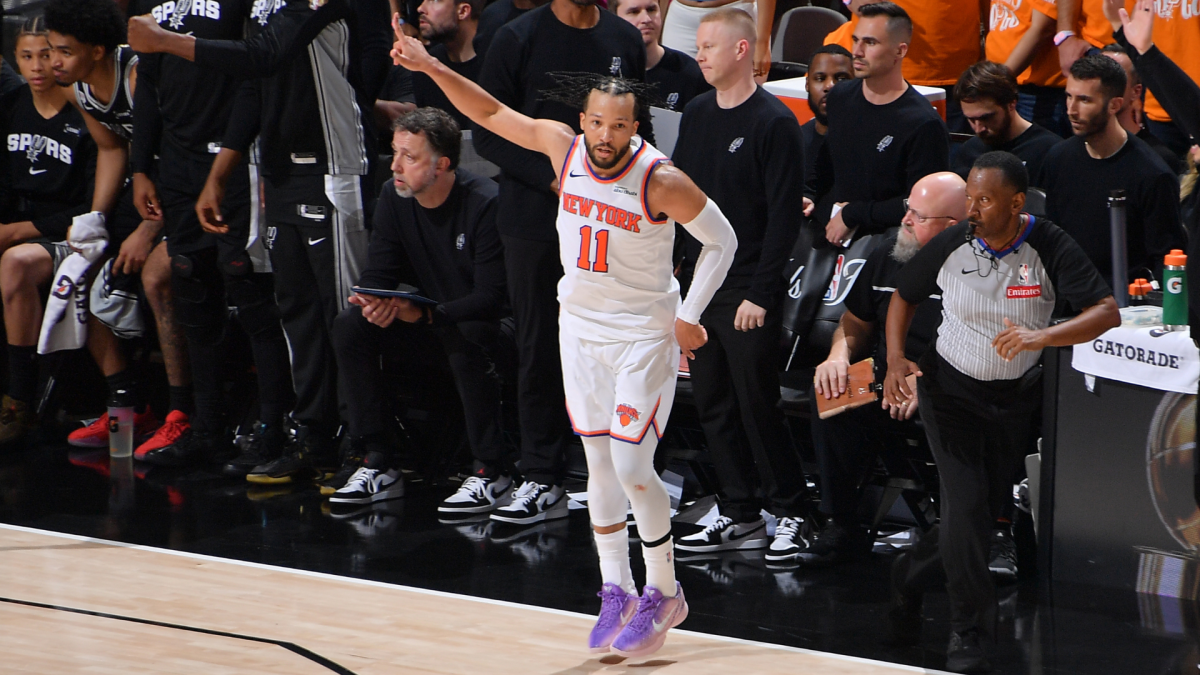
The intensity of the NBA Finals has reached a fever pitch as the New York Knicks secured a pivotal Game 1 victory, anchored by a masterful closing performance from Jalen Brunson. In a league where late-game execution often dictates the trajectory of a series, Brunson’s poise under pressure has once again served as the catalyst for New York’s championship aspirations. As the basketball world turns its gaze toward the remaining games of the series, the sports landscape is simultaneously preparing for another high-stakes transition: the looming Major League Baseball (MLB) trade deadline.
For fans and analysts alike, the current period represents a fascinating intersection of immediate postseason drama and long-term front-office strategy. While the Knicks continue their pursuit of the Larry O’Brien Trophy, MLB organizations are currently evaluating their rosters, weighing the costs of “buying” talent against the potential of “selling” to secure future assets. This balance of short-term ambition and long-term sustainability is the hallmark of professional sports management in the modern era.
Jalen Brunson and the Knicks’ Strategic Advantage
Jalen Brunson’s ability to manipulate defensive sets and create high-percentage looks in the final minutes of Game 1 has provided the Knicks with a critical psychological edge. According to official league tracking data, Brunson’s efficiency in isolation plays remains among the highest in the postseason, a testament to his evolution as a franchise cornerstone. His performance is not merely about individual scoring; it is about the gravity he creates, forcing opposing defenses to collapse and leaving teammates open on the perimeter.
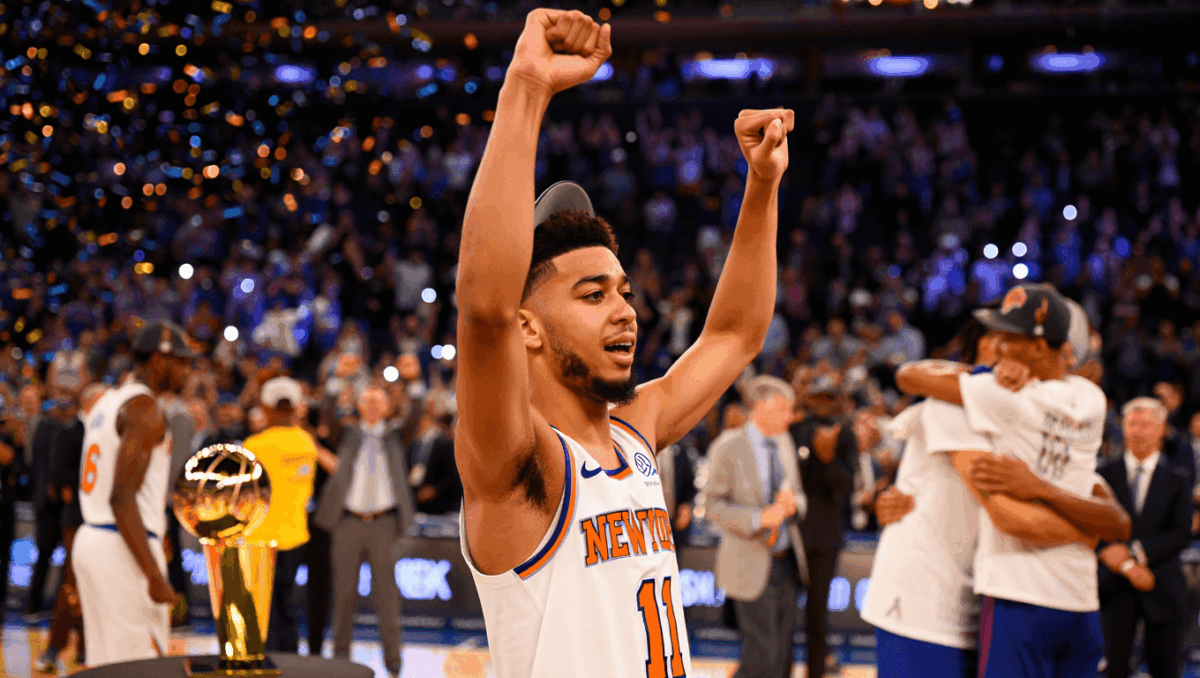
The Knicks’ victory in the series opener is significant not just for the win itself, but for the blueprint it establishes. By controlling the tempo and limiting turnovers in the closing minutes, New York demonstrated a discipline that is often the deciding factor in seven-game series. As noted by analysts covering the playoffs, the ability to execute consistently in high-leverage moments is what separates championship contenders from the rest of the field.
Shifting Focus: The MLB Trade Deadline Landscape
While the hardwood commands current attention, the baseball world is approaching its own critical juncture. The MLB trade deadline, traditionally occurring on July 30, serves as the ultimate test for general managers. This year, the market for starting pitching and high-leverage relief arms is expected to be particularly competitive, with several teams looking to bolster their bullpens for a deep October run.
For organizations hovering near .500, the coming weeks are agonizing. The decision to commit to a playoff push—often requiring the surrender of top-tier prospects—is a gamble that can define an executive’s tenure. Conversely, teams clearly out of contention must decide which veteran assets can be moved to replenish their farm systems. This annual reshuffling of talent is what makes the mid-summer period so vital for the health of the league.
Key Factors Influencing the Market
- Expanded Playoff Field: With more teams maintaining postseason viability into July, the number of true “sellers” has decreased, potentially inflating the price of available talent.
- Prospect Valuation: Modern front offices are increasingly protective of their top-100 prospects, leading to more complex multi-team deals.
- Financial Flexibility: Teams operating near the luxury tax threshold must balance competitive needs with long-term payroll constraints.
The Rookie Quarterback Development Curve
Beyond the immediate excitement of professional playoffs and trade deadlines, the NFL remains a constant subject of analysis, particularly regarding the development of this year’s rookie quarterback class. As these young signal-callers begin their professional journeys, the projections for their “best-case” and “worst-case” scenarios are varied. The transition from the collegiate level to the speed and complexity of the NFL is arguably the most difficult adjustment in professional sports.

Best-case outcomes often involve early playing time in a stable system, allowing the rookie to learn through experience while supported by a veteran coaching staff. Conversely, worst-case scenarios typically involve being thrust into a dysfunctional environment without adequate protection or offensive weapons, which can lead to stunted growth and loss of confidence. According to the official NFL schedule and roster updates, the preseason will provide the first real look at how these rookies handle live-game speed against professional defensive schemes.
Looking Ahead: The Path Forward
As we move into the next phase of the sports calendar, the narrative threads of the NBA Finals and the MLB trade deadline will continue to intertwine. For the Knicks, the focus remains on maintaining the momentum gained in Game 1 and adjusting to the inevitable tactical shifts from their opponents. For the rest of the sporting world, we await the official declarations from MLB front offices as the July deadline approaches.
The next major checkpoint in this cycle is the continuation of the NBA Finals, followed by the mid-July All-Star break, which typically acts as the unofficial starting line for serious trade deadline negotiations. We encourage our readers to stay tuned to our ongoing coverage as these events unfold. What are your thoughts on the Knicks’ chances to close out the series? Do you believe your favorite baseball team should be a buyer or a seller this July? Join the conversation in the comments section below and share your insights with our global sports community.
Worth a look