
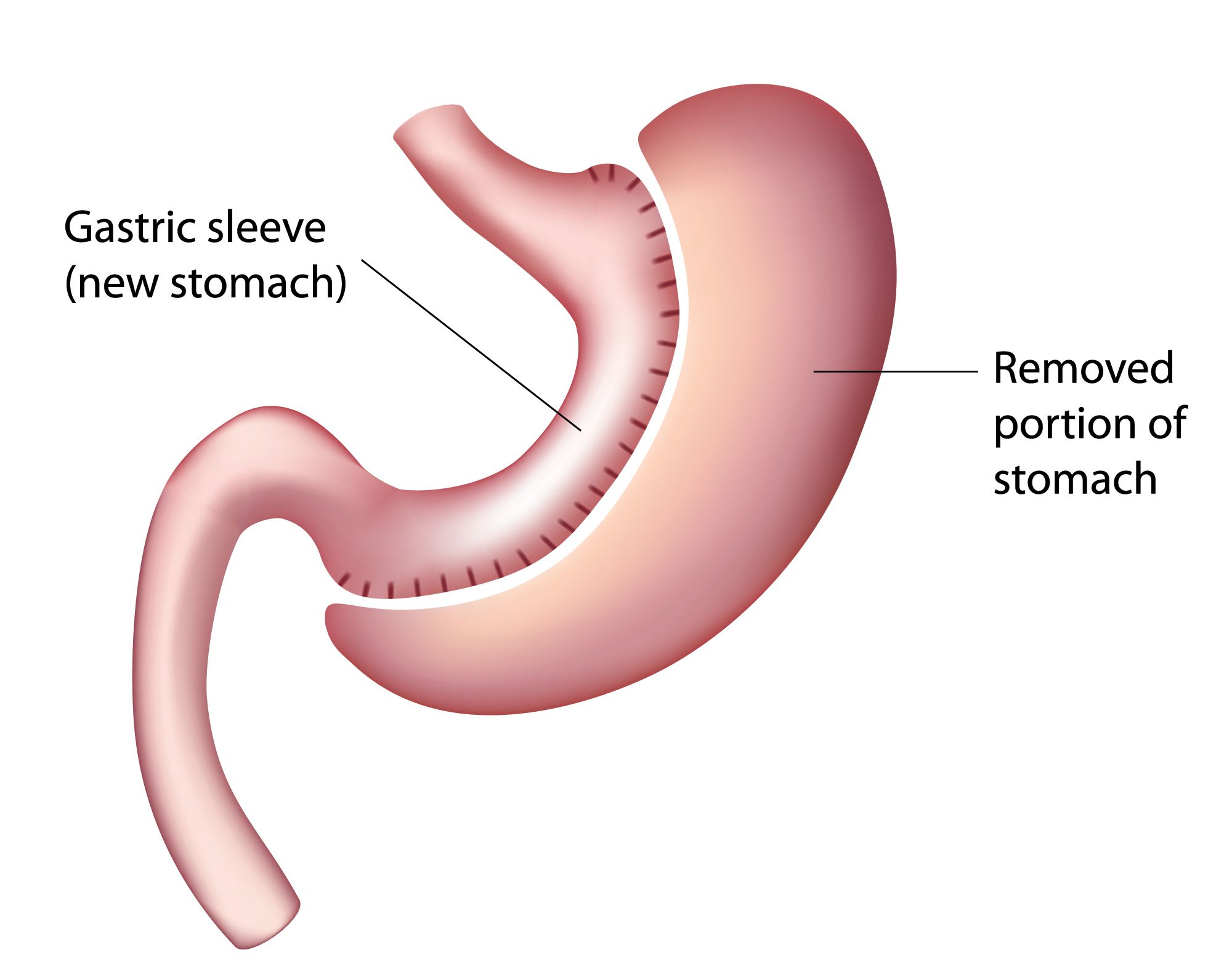
In a significant shift for pediatric healthcare policy in the Netherlands, the government has moved to include bariatric surgery—commonly known as weight-loss surgery or a maagverkleining—within the mandatory basic health insurance package for adolescents. This policy change, which officially took effect, targets teenagers aged 13 and older who suffer from severe obesity and for whom conventional lifestyle interventions have proven insufficient. As a physician, I have witnessed the profound impact that metabolic health has on long-term development, and this decision reflects a broader international shift toward viewing extreme obesity as a complex chronic condition rather than a failure of personal discipline.
The decision, confirmed by the Dutch Healthcare Institute (Zorginstituut Nederland), is not intended as a first-line treatment. Instead, it serves as a medical intervention of last resort for those whose health is severely compromised by their weight. By including this procedure in the basic insurance package, the Dutch authorities aim to reduce the systemic barriers that have previously prevented younger patients from accessing life-saving metabolic care. According to the official advisory from the Zorginstituut Nederland, the move is supported by evidence that bariatric surgery can significantly improve or even reverse obesity-related comorbidities in youth, such as type 2 diabetes and hypertension, when carefully managed within a multidisciplinary framework.
Understanding the Criteria for Adolescent Bariatric Surgery
It is crucial to clarify that this coverage does not mean surgery is now a routine option for all adolescents struggling with weight. The clinical criteria are stringent. To qualify for a reimbursed procedure, patients must meet specific body mass index (BMI) thresholds and demonstrate that they have participated in intensive, supervised lifestyle programs for at least one year without success. These programs typically involve a team of pediatricians, dietitians, psychologists, and specialized nurses.

The medical community emphasizes that surgery for adolescents is fundamentally different from adult procedures. The developmental stage of the patient requires a holistic approach, ensuring that bone growth, nutritional needs, and psychological maturity are accounted for. The Dutch Society for Metabolic and Bariatric Surgery (NVVBH) notes that centers of excellence are required to provide comprehensive pre- and post-operative care. This ensures that the physiological change—the reduction of the stomach capacity—is matched by long-term behavioral and psychological support, which is essential to prevent complications and ensure sustainable health outcomes.
Why the Policy Shift Matters for Public Health
For many years, the debate surrounding bariatric surgery for minors was stalled by ethical concerns and a lack of long-term data. However, the rise of severe childhood obesity and its associated health risks have necessitated a reevaluation of current treatment protocols. Research published by international health bodies, including the World Health Organization, consistently highlights that early intervention is key to preventing lifelong non-communicable diseases. By integrating this procedure into the basic health package, the Netherlands is aligning its policy with the reality that, for some, biological predispositions and environmental factors make weight management impossible without medical intervention.

This policy change is expected to affect a small but highly vulnerable group of patients. By removing the financial burden of the surgery—which can be substantial—the government ensures that access is based on medical necessity rather than socioeconomic status. Here’s a crucial step toward health equity. Critics have occasionally raised concerns about the “medicalization” of childhood obesity; however, proponents argue that the greater risk lies in the long-term damage caused by untreated, severe obesity during the formative years of adolescence.
Key Takeaways: What You Need to Know
- Eligibility: The surgery is available to adolescents aged 13 and older, provided they meet strict clinical guidelines for severe obesity.
- Last Resort: It is strictly categorized as a last-resort intervention after comprehensive lifestyle programs have failed.
- Multidisciplinary Care: Coverage is contingent upon the treatment being provided by specialized, multidisciplinary teams capable of managing the unique needs of growing teenagers.
- Insurance Coverage: The procedure is now part of the mandatory basic package (basispakket), meaning it is covered by all standard health insurance providers in the Netherlands.
Looking Ahead: Implementation and Monitoring
As the healthcare system adjusts to this new mandate, the focus will shift to monitoring the outcomes of these procedures. The Dutch government and medical associations are expected to maintain rigorous registries to track the long-term effectiveness and safety profiles of bariatric surgery in this younger age group. Transparency in these outcomes will be vital for maintaining public trust and refining clinical protocols over the coming years.

If you or a family member are navigating these options, the most important step is to consult with a primary care physician or a pediatrician. They are the gateway to the specialized multidisciplinary teams required for an assessment. For those in the Netherlands, official information regarding the reimbursement process and the list of certified treatment centers can be found through the Zorgverzekeringslijn, an independent platform that provides guidance on health insurance and care rights.
The decision to include bariatric surgery for adolescents is a bold acknowledgement of the complexities of modern metabolic health. While surgery is never a “quick fix,” it remains a powerful tool in the arsenal of modern medicine when used responsibly. As we move forward, the success of this policy will depend on the continued commitment to integrated care that treats the whole patient, not just the symptom.
What are your thoughts on integrating surgical interventions into pediatric care? I encourage our readers to share their perspectives or ask questions in the comments section below. For ongoing updates on healthcare policy and medical innovation, follow our coverage here at the World Today Journal.