
The global smartphone market is currently witnessing a fascinating shift in consumer behavior, as high-end performance is increasingly decoupled from premium price tags. Among the latest devices capturing attention is the Poco F8 series, a lineup that has sparked significant discourse regarding the value proposition of flagship hardware. As a technology editor, I have spent years tracking how Xiaomi’s sub-brand, Poco, manages to bridge the gap between enthusiast-grade specifications and mid-range pricing, a strategy that continues to challenge the dominance of industry leaders like Samsung.
When we examine the Poco F8 Ultra, the conversation inevitably turns to how it positions itself against devices like the Samsung Galaxy S26 Ultra. While the latter represents the pinnacle of Samsung’s engineering—often retailing at a premium price point—the Poco F8 Ultra aims to deliver a comparable high-performance experience for a fraction of the cost. For many users, this raises a fundamental question: at what point do the diminishing returns of a “super-premium” handset justify an investment three times higher than a high-performance alternative? The answer, as it often does in technology, lies in the specific requirements of the user, from camera processing power to software longevity.
The Evolution of the “Flagship Killer” Model
The term “flagship killer” has evolved significantly since it first entered the lexicon. In the current landscape, it no longer refers to a device that cuts corners on build quality to save costs; rather, it describes a phone that prioritizes internal hardware—such as the latest Qualcomm Snapdragon chipsets—while adopting a more pragmatic approach to secondary features like ultra-zoom telephoto lenses or proprietary satellite connectivity. According to official Qualcomm documentation regarding their mobile platform roadmaps, the gap in raw computational power between top-tier chips and their high-performance counterparts has narrowed, allowing manufacturers like Poco to offer near-identical processing speeds in more affordable chassis.
This strategy is particularly effective in markets where consumers are increasingly price-sensitive yet remain tech-savvy. By focusing on essential performance metrics—refresh rates, thermal management, and battery efficiency—Poco has carved out a niche that pressures larger manufacturers to justify their higher margins. This proves key to note, however, that while the hardware performance may be competitive, the “premium” experience often extends into software support cycles and ecosystem integration, areas where established giants like Samsung have invested heavily through their extended update policies.
Performance Benchmarks vs. Real-World Utility
When evaluating the Poco F8 Ultra, one must distinguish between synthetic benchmarks and daily usage. The inclusion of high-end RAM configurations and UFS 4.0 storage ensures that the device handles multitasking and gaming with ease. For the average user, the difference between a high-end processor and a flagship one is becoming increasingly difficult to perceive during standard operations. This is where the “ultra” designation in the Poco lineup becomes engaging; it signals a shift toward catering to power users who demand performance without the overhead of enterprise-grade software features or complex camera arrays.
However, the trade-offs remain relevant. While a device may be “ultra-powerful,” the user experience is also defined by software optimization. Xiaomi’s HyperOS, which powers the latest Poco devices, offers a distinct aesthetic and feature set compared to Samsung’s One UI. For those who prioritize a clean, stock-like experience, this remains a point of contention. The longevity of a device is not just about the silicon; it is about the security patches and Android version updates that follow in the years after purchase.
Key Considerations for Potential Buyers
- Processing Power: Look for the latest Snapdragon 8 series chipset to ensure longevity.
- Display Technology: Verify if the panel supports LTPO technology for better battery management.
- Software Support: Always check the manufacturer’s official commitment to the number of Android OS upgrades.
- Thermal Efficiency: Review independent cooling tests, as high performance requires effective heat dissipation.
Market Impact and Future Trends
The success of the Poco F8 series highlights a broader trend: the commoditization of high-end performance. As manufacturing processes mature, the cost of producing powerful hardware drops, allowing companies to pass those savings on to the consumer. This creates a competitive environment where the “Samsung Galaxy S26 Ultra” and the “Poco F8 Ultra” serve two different market segments: the former targeting the luxury and professional demographic, and the latter serving the enthusiast who prioritizes utility and value.
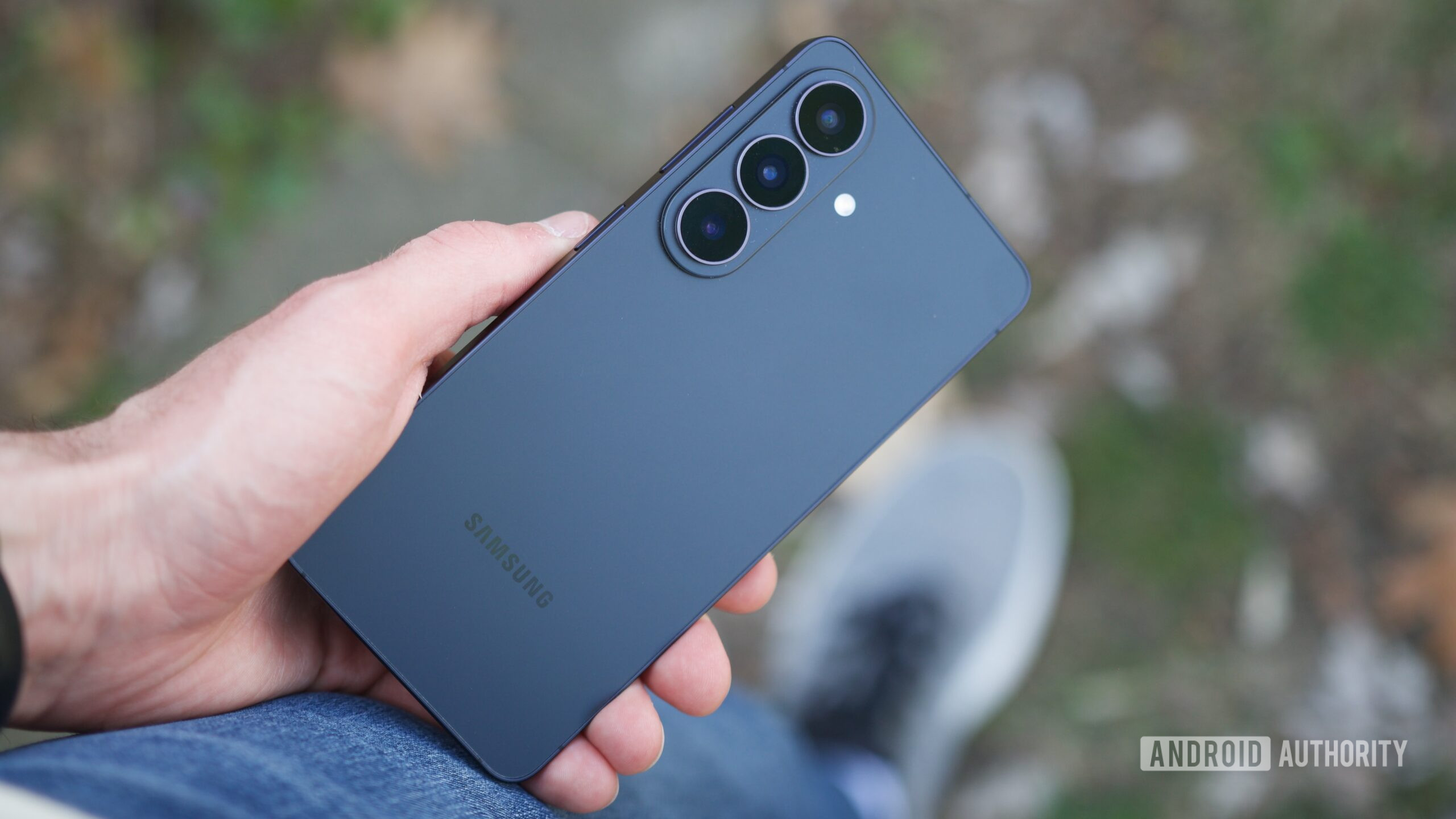
We are likely to see this trend accelerate as AI-driven features become standard in mobile devices. As these features demand more from the NPU (Neural Processing Unit), the battleground will shift from raw speed to AI efficiency and privacy-centric on-device processing. Companies that can provide these capabilities at a lower price point will undoubtedly gain significant market share in the coming fiscal quarters.
Final Thoughts
Whether the Poco F8 Ultra is the right choice for you depends on your specific needs. If you require the absolute best in camera versatility, screen brightness, and long-term software support, the traditional flagship models remain the gold standard. However, if your priority is high-octane performance for gaming, productivity, and everyday tasks—without the significant markup associated with luxury branding—the Poco F8 Ultra presents a compelling, rational, and highly capable alternative.
As we move further into the year, I will continue to track the performance of these devices in our dedicated review section. For those interested in the latest industry shifts, the next major checkpoint will be the quarterly earnings calls from major semiconductor manufacturers, which often reveal the supply chain trends that dictate these pricing strategies. I invite you to share your thoughts in the comments below: do you prioritize the brand prestige of a flagship, or is the performance-to-price ratio the deciding factor in your next purchase?